Wrought iron doors are experiencing a major comeback in New Jersey. Learn why homeowners in Middlesex, Bergen, Monmouth, and Essex Counties are choosing luxury iron entryways for unmatched security, style, and value.
Share:
Summary:
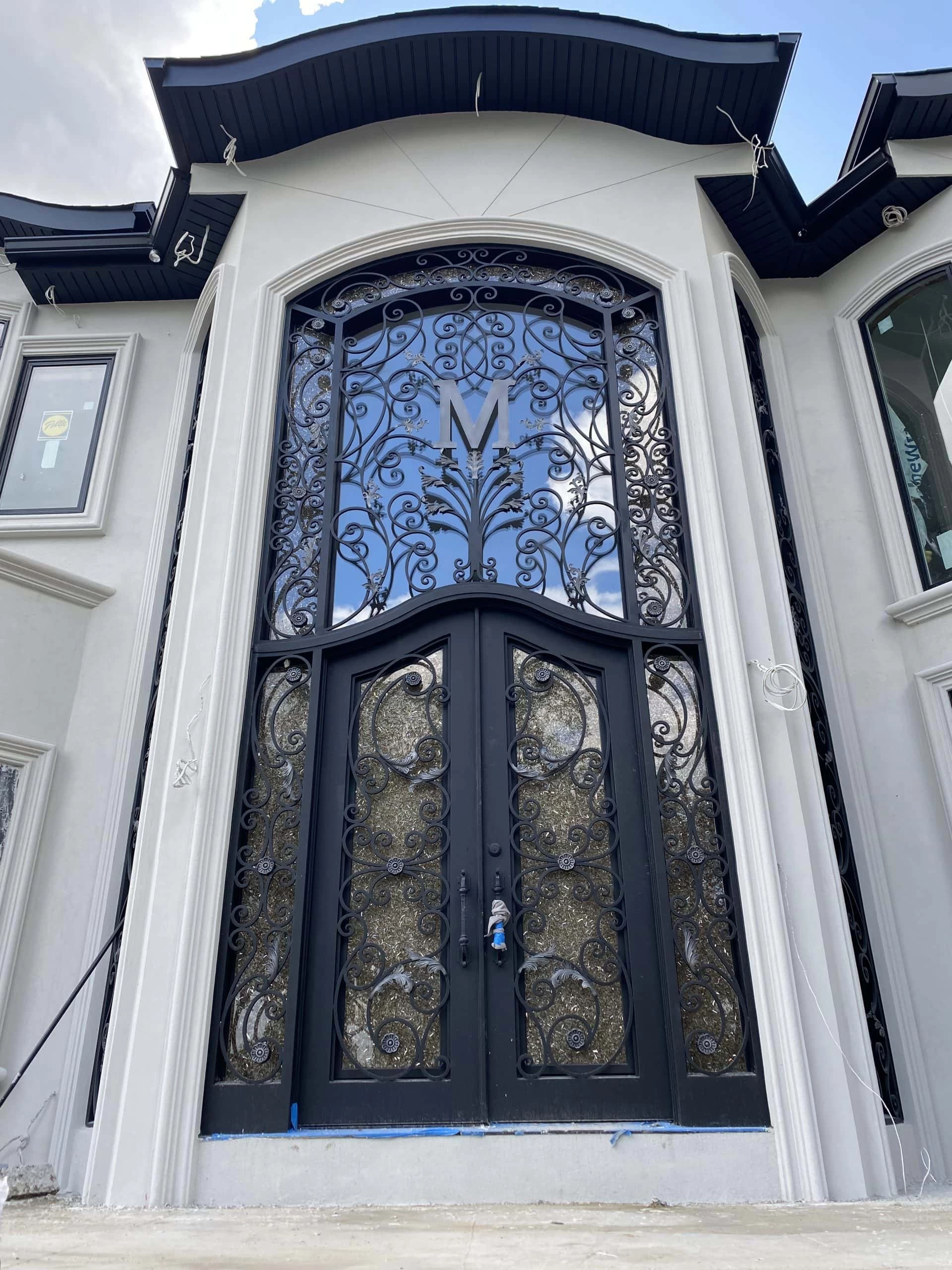
Walk past a home with an iron door and you’ll notice it immediately. There’s a presence, a weight to the entrance that standard doors simply can’t match. But the difference goes far beyond appearances.
Most entry doors are built to a price point, using materials that look acceptable when new but deteriorate quickly. Wood warps and rots. Fiberglass cracks. Paint fades and chips within a few years, leaving you with a maintenance headache that never ends.
Iron doors operate on a completely different level. They’re constructed from heavy-gauge steel with reinforced frames designed to last 30 years or more. The craftsmanship involves welding, hand-finishing, and attention to detail that mass-produced doors can’t replicate. When you close an iron door, you feel the difference—the solid weight, the smooth operation, the sense that this entrance was built to protect what matters most.
Design trends come and go, but wrought iron has staying power for a reason. What’s changed in 2026 isn’t the appeal of iron itself—it’s how designers and homeowners are using it.
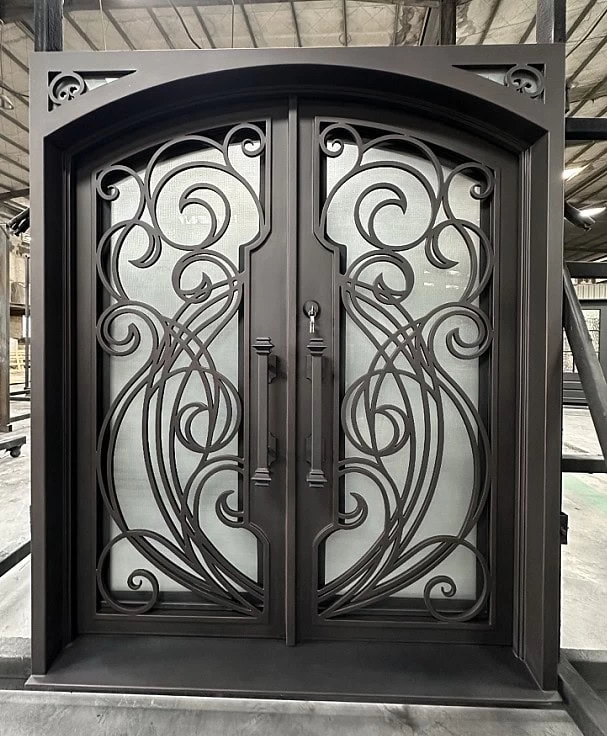
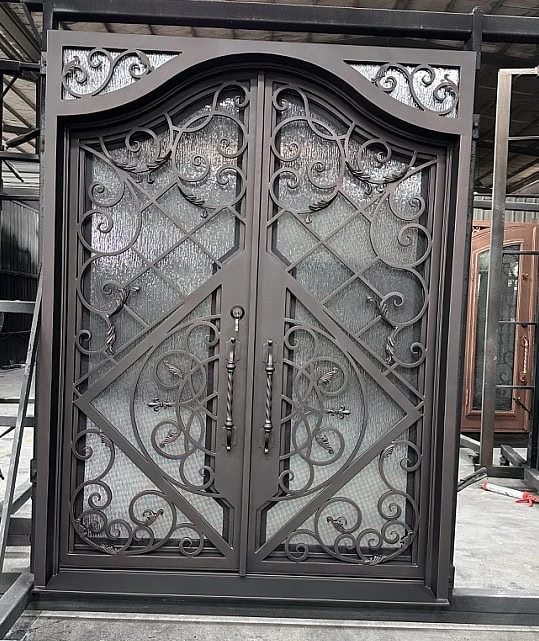
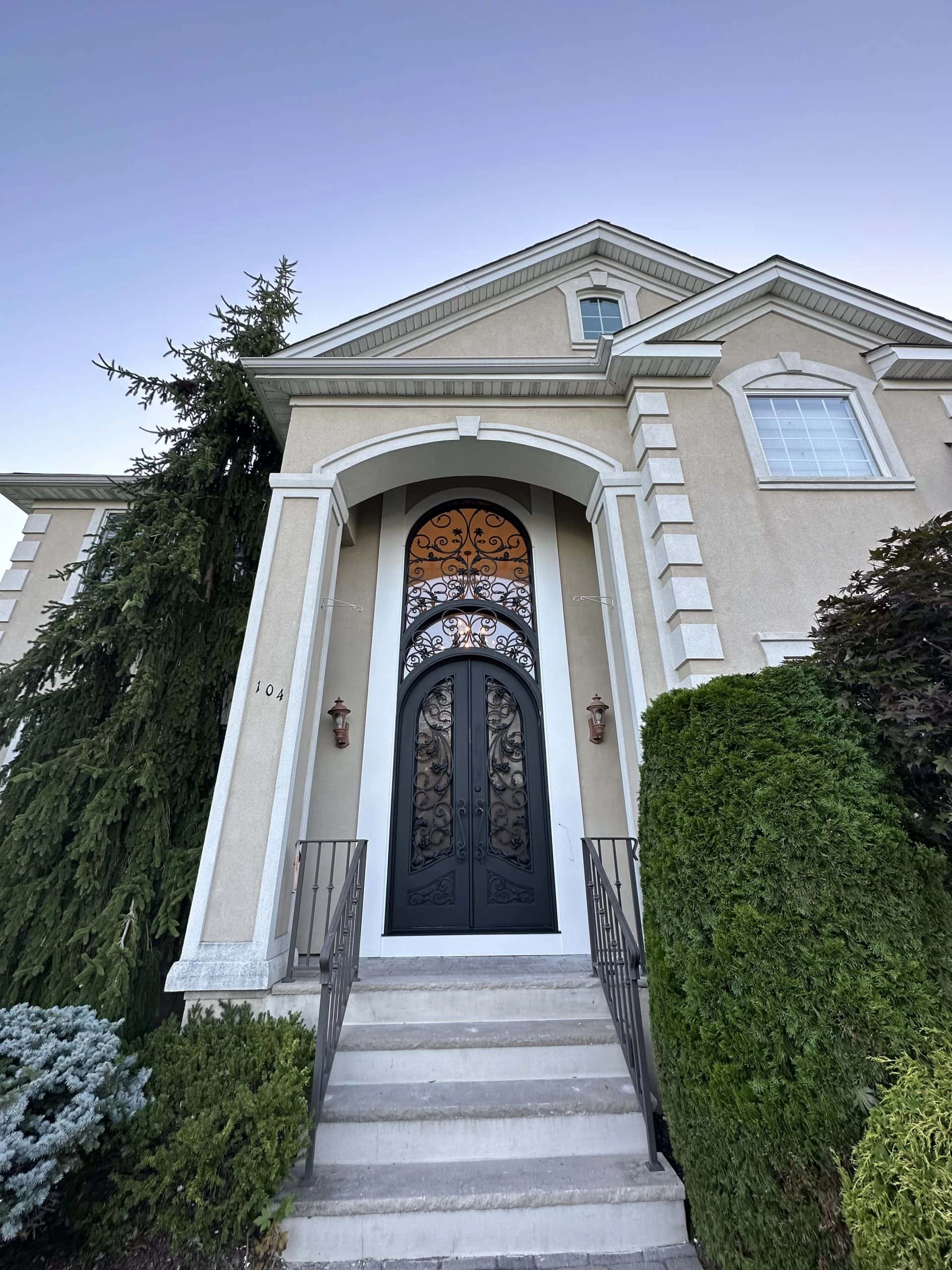
The comeback centers on versatility. Traditional ornate scrollwork still has its place, especially in homes with Mediterranean, Spanish, or European-inspired architecture. These intricate patterns showcase the artisan’s skill and create that classic luxury aesthetic many homeowners want. But modern interpretations have opened iron doors to a much wider audience.
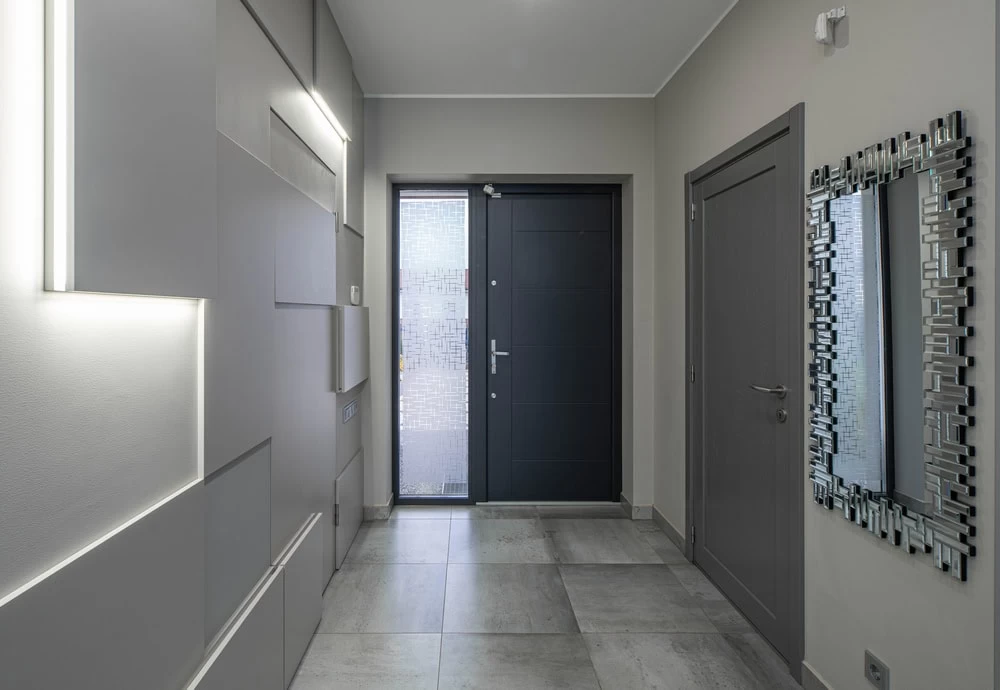
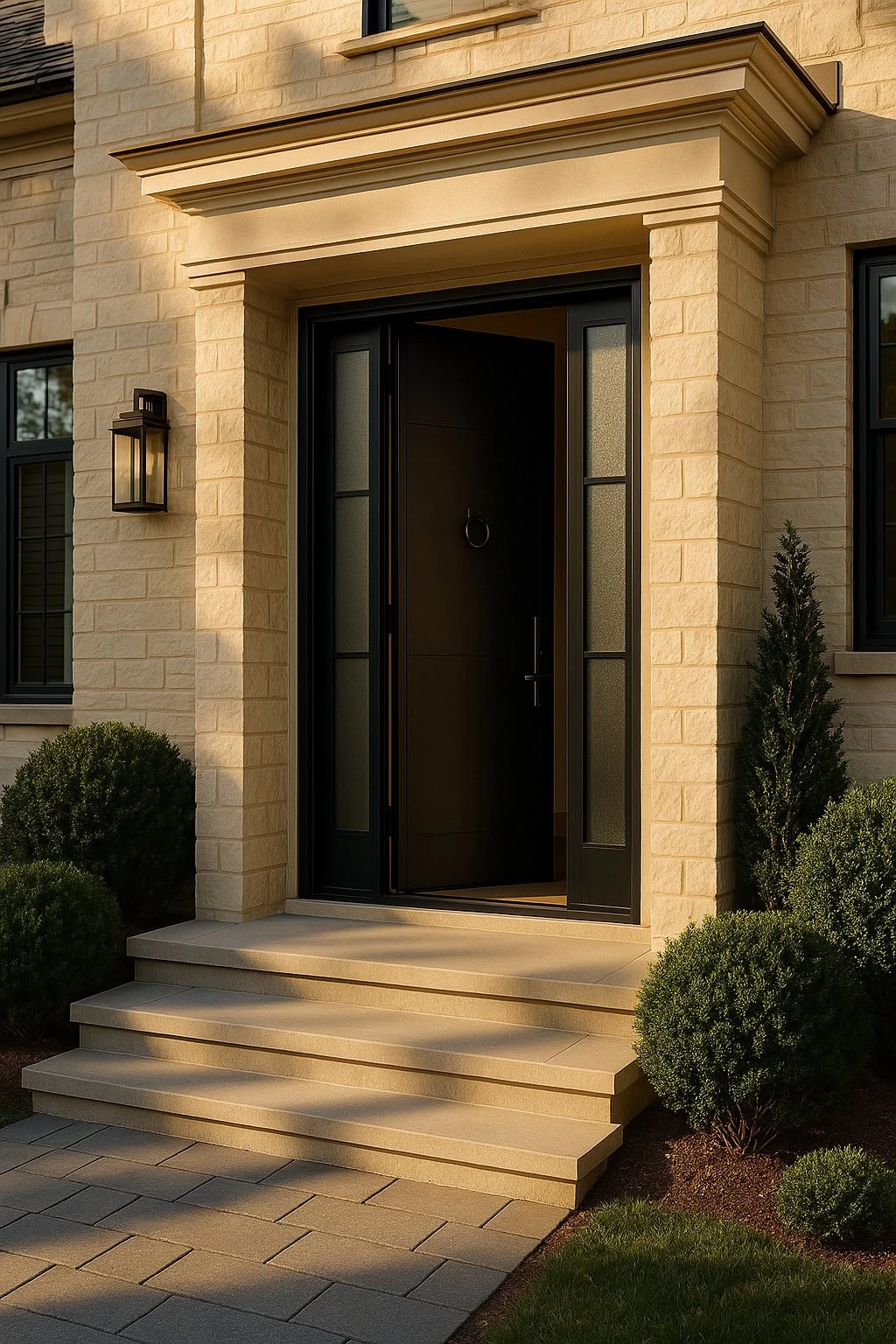
Contemporary wrought iron designs feature clean geometric lines, minimal ornamentation, and matte black finishes that complement modern and transitional homes perfectly. You’re seeing more mixed materials too—iron frames combined with large glass panels that flood entryways with natural light while maintaining security. Some designs incorporate wood accents or stone elements, creating depth and texture that pure iron alone can’t achieve.
The trend extends beyond pure aesthetics. Homeowners in Middlesex County, Bergen County, Monmouth County, and Essex County, NJ are discovering that iron doors can be customized to match virtually any architectural style. A Victorian home in a historic neighborhood might feature detailed scrollwork and an arched top. A new construction contemporary might use straight lines and frosted glass. Both are iron doors, but they serve completely different design visions.
Smart technology integration is another factor driving adoption. Modern iron doors can accommodate keyless entry systems, video doorbells, and smart locks without compromising their appearance. The robust construction actually makes them ideal for security technology since the frames can support heavier hardware and wiring runs are easily concealed.
This combination of traditional craftsmanship, design flexibility, and modern functionality explains why wrought iron isn’t just making a comeback—it’s becoming the preferred choice for homeowners who refuse to compromise on either style or substance.
Design trends come and go, but wrought iron has staying power for a reason. What’s changed in 2026 isn’t the appeal of iron itself—it’s how designers and homeowners are using it.
The comeback centers on versatility. Traditional ornate scrollwork still has its place, especially in homes with Mediterranean, Spanish, or European-inspired architecture. These intricate patterns showcase the artisan’s skill and create that classic luxury aesthetic many homeowners want. But modern interpretations have opened iron doors to a much wider audience.
Contemporary wrought iron designs feature clean geometric lines, minimal ornamentation, and matte black finishes that complement modern and transitional homes perfectly. You’re seeing more mixed materials too—iron frames combined with large glass panels that flood entryways with natural light while maintaining security. Some designs incorporate wood accents or stone elements, creating depth and texture that pure iron alone can’t achieve.
The trend extends beyond pure aesthetics. Homeowners in Middlesex County, Bergen County, Monmouth County, and Essex County, NJ are discovering that iron doors can be customized to match virtually any architectural style. A Victorian home in a historic neighborhood might feature detailed scrollwork and an arched top. A new construction contemporary might use straight lines and frosted glass. Both are iron doors, but they serve completely different design visions.
Smart technology integration is another factor driving adoption. Modern iron doors can accommodate keyless entry systems, video doorbells, and smart locks without compromising their appearance. The robust construction actually makes them ideal for security technology since the frames can support heavier hardware and wiring runs are easily concealed.
This combination of traditional craftsmanship, design flexibility, and modern functionality explains why wrought iron isn’t just making a comeback—it’s becoming the preferred choice for homeowners who refuse to compromise on either style or substance.
Want live answers?
Connect with a Iron Door Kings expert for fast, friendly support.
Let’s address what many homeowners think about but hesitate to discuss openly: fear of break-ins. It’s not paranoia—it’s reality. Over 80 percent of break-ins happen through front or first-floor doors, and thieves specifically target homes with weak entry points.
Standard doors provide what security experts call “security theater.” They look protective but fail when tested. A determined intruder can kick through a hollow-core door in seconds. Even solid wood doors split under repeated impact, especially around the lock area where the wood is weakest.
Iron doors change this equation completely. The construction starts with heavy-gauge steel frames that distribute impact force across the entire structure. When someone tries to force an iron door, they’re not attacking a weak point—they’re trying to move a barrier that weighs several hundred pounds and is anchored at multiple points. It’s not happening.
An iron door is only as good as the finish protecting it. This is where quality separates premium products from cheap imitations that rust and deteriorate within a few years.
The finish serves multiple purposes. Obviously, it determines the door’s appearance—the color, texture, and overall aesthetic. But more importantly, it creates a barrier between the steel and the elements. Without proper protection, iron oxidizes when exposed to moisture and air. In New Jersey’s humid climate with its temperature swings and coastal influences, unprotected iron doesn’t stand a chance.
Premium iron finishes involve multiple layers of protection. The process typically starts with surface preparation—removing any oils, debris, or imperfections from the raw steel. Next comes primer application, creating a foundation that bonds to the metal and provides the first line of defense against corrosion. Then multiple layers of paint or powder coating are applied, each adding thickness and protection.
The best manufacturers use seven or more layers of finish, with each layer serving a specific purpose. Some add UV protection to prevent fading. Others enhance adhesion or provide extra corrosion resistance. The final clear coat seals everything and determines the door’s sheen—whether you want matte, satin, or gloss.
Powder coating has become the gold standard for iron door finishes. Unlike traditional paint that sits on the surface, powder coating is electrostatically applied and then cured in an oven. This creates a finish that’s harder, more durable, and more resistant to chipping, scratching, and fading than conventional paint can achieve. It’s why you see iron doors that still look pristine after decades of use.
Color options have expanded significantly beyond basic black. While matte black remains popular for its contemporary appeal, you can now find iron doors in bronze, copper, pewter, and even custom colors matched to your home’s exterior palette. Some finishes include hand-applied patinas that create depth and character, giving new doors an aged, timeless appearance.
Maintenance of premium finishes is surprisingly simple. Regular cleaning with mild soap and water removes dirt and prevents buildup. An occasional application of protective wax adds an extra layer of defense, especially in areas with harsh weather. Unlike wood doors that need repainting every few years, a properly finished iron door maintains its appearance with minimal effort.
The finish also affects energy efficiency. Some premium coatings include heat-reflective properties that reduce heat transfer through the door. In summer, this helps keep your home cooler. In winter, it prevents heat loss. These might seem like small benefits, but they add up over years of use, reducing energy bills while maintaining comfort.
When evaluating iron doors, ask about the finishing process. How many layers are applied? What type of coating is used? Does the manufacturer offer any warranty on the finish? These questions reveal whether you’re looking at a quality product or something that will require refinishing within a few years.
The installation process intimidates some homeowners, and it’s understandable why. Iron doors are heavy—often weighing 400 to 1,000 pounds or more for double-door configurations. The idea of removing your existing door and installing something that substantial raises questions about timing, disruption, and whether it can even be done properly.
Here’s what actually happens when we handle the installation. First, we assess your existing door opening. Most installations involve some structural work to ensure the frame can support the door’s weight and provide proper anchoring. This might mean reinforcing the header, adjusting the rough opening, or modifying the threshold. Our experienced installers know what’s required and bring the necessary materials.
The existing door and frame are removed carefully. If there’s any damage to the surrounding wall or trim, it’s addressed before the new installation begins. This is also when any electrical work happens—running wiring for smart locks, video doorbells, or other integrated technology you’ve chosen.
Next comes the iron door frame installation. This is critical work that determines how well your door will operate for decades. The frame must be perfectly level and plumb, properly anchored to the structure, and sealed against weather infiltration. Our installers use shims, levels, and specialized fasteners to achieve precise positioning. We’re not rushing—this step takes time and attention to get right.
Once the frame is secure, the door itself is hung. This requires multiple people due to the weight, along with proper equipment to lift and position the door safely. The hinges are attached, the door is tested for smooth operation, and adjustments are made until everything works perfectly. Hardware installation comes next—locks, handles, and any additional features you’ve selected.
Weatherstripping and sealing complete the installation. Quality work here prevents drafts, moisture infiltration, and energy loss. We’ll also install or refinish any trim work around the door, ensuring a clean, finished appearance that integrates seamlessly with your home’s exterior.
Most installations take between four to six hours from start to finish, though complex projects might require more time. Your home is never left exposed—if work can’t be completed in one day, temporary measures ensure security overnight.
The disruption is minimal. Yes, our installers need access to the work area and will generate some noise and debris. But our professional crews protect your floors, clean up thoroughly, and minimize impact on your daily routine. Many homeowners are surprised by how quickly their new door is operational and how little the process affected their household.
After installation, you’ll receive care instructions and warranty information. Take time to understand how your door operates, how to maintain it, and what’s covered under warranty. Ask questions about anything unclear—we want you completely satisfied and confident in your new entrance.
The weight that seemed intimidating becomes a feature you appreciate every time you open and close your door. That solid feel, the smooth operation despite the mass, the sense of security—these are the benefits of proper installation using quality materials and experienced professionals.
Your front door isn’t just a functional necessity—it’s the first thing people notice about your home and the primary barrier protecting your family. Choosing the right door means balancing security, aesthetics, durability, and value. That’s exactly what quality iron doors deliver.
The wrought iron comeback isn’t about nostalgia. It’s about homeowners discovering that modern iron doors offer benefits no other material can match. Superior security that actually works. Designs ranging from traditional elegance to contemporary minimalism. Durability measured in decades, not years. And the kind of curb appeal that makes your home stand out for all the right reasons.
Whether you’re drawn to ornate scrollwork or clean geometric lines, custom designs or refined pre-made options, there’s an iron door that fits your home and your vision. The investment pays dividends in security, property value, and the daily satisfaction of coming home to an entrance that reflects your standards.
If you’re ready to explore how luxury iron doors can transform your home’s entrance, we offer the craftsmanship, customization, and professional installation that make the difference between a good door and an exceptional one.
Article details:
Share:
Continue learning: