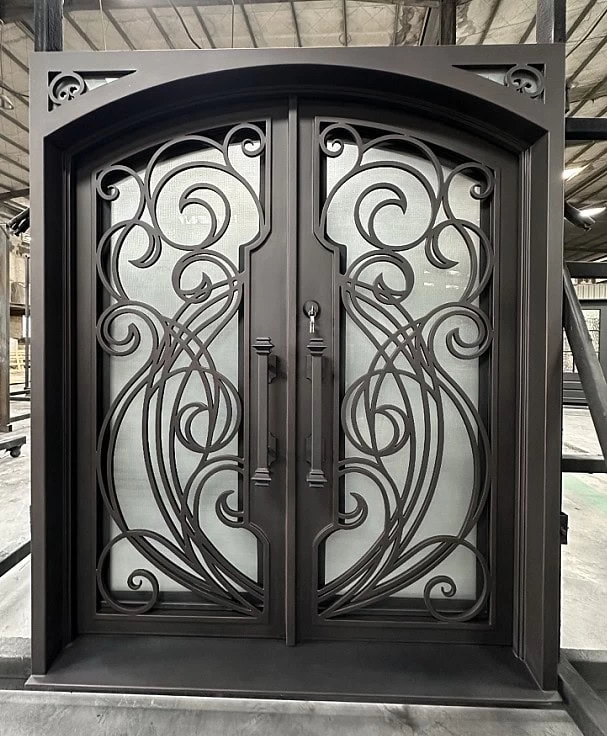
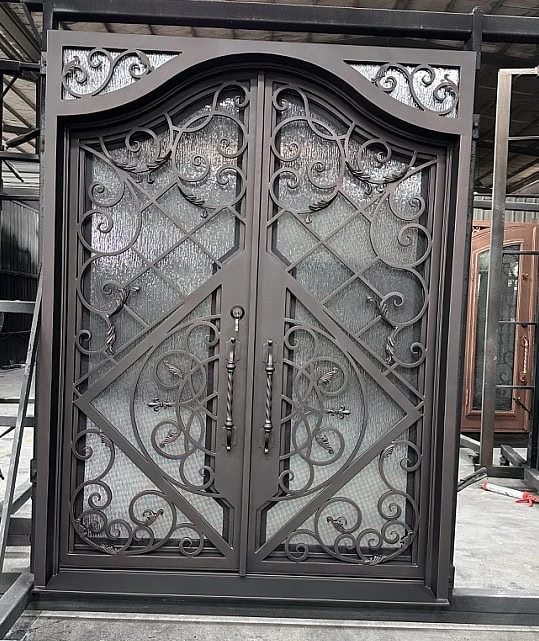
Energy efficient sliding glass patio doors can slash your heating and cooling costs while keeping your Essex County home comfortable year-round through advanced glass technology and proper installation.
Share:
Summary:
Your patio door shouldn’t be working against you. But if you’re feeling drafts in winter, noticing cold spots near the glass, or watching your heating bill climb despite keeping the thermostat steady, that’s exactly what’s happening. The good news? Energy efficient sliding glass patio doors can fix this while cutting your energy costs significantly—sometimes by hundreds of dollars a year.
In Essex County, where winters demand constant heating and summers push your AC to its limits, the doors you choose matter more than in milder climates. You’ll learn what separates genuinely efficient doors from standard options, what features deliver real savings, and how proper installation protects your investment. Let’s start with what actually makes a sliding glass door energy efficient.
Energy efficient sliding glass patio doors aren’t just about thicker glass. They’re engineered systems designed to minimize heat transfer while maintaining the light and views you want from a patio door.
The core difference comes down to how these doors handle thermal performance. Standard single-pane sliding doors lose massive amounts of heat because glass is a poor insulator. Energy-efficient versions use multiple panes with specialized coatings and gas fills to create barriers that slow heat movement. For Essex County homes, where you’re dealing with 50-70 degree temperature differences between inside and outside during winter, these barriers translate directly into lower heating bills.
Modern energy efficient patio doors can achieve U-factors of 0.30 or lower. That’s a measurement of heat transfer—lower numbers mean better insulation. Compare that to older single-pane doors, and you’re looking at thermal performance that’s 200-300% better.
Low-E glass is where energy efficiency starts making financial sense. The “E” stands for emissivity—basically, how much heat the glass radiates. Low-E coatings are microscopically thin metallic layers applied to the glass that reflect heat back toward its source.
In winter, that means heat from your furnace stays inside instead of radiating through the glass to the cold outdoors. In summer, it works the opposite way—reflecting solar heat back outside before it can warm your home. Some experts estimate that Low-E coatings perform like adding an extra pane of glass, but without the weight or cost.
Low e patio doors typically use either double-pane or triple-pane construction. Double-pane glass features two layers with a sealed space between them, usually filled with argon gas. Argon is denser than air, which slows heat transfer through convection. Triple-pane glass adds a third layer and a second gas-filled space, offering superior insulation for homes in colder climates or those prioritizing maximum efficiency.
The difference in performance is measurable. According to ENERGY STAR data, qualifying sliding glass doors with Low-E coatings and multi-pane construction can save homeowners $150 to $400 annually compared to standard single-pane doors. In New Jersey, where electricity rates run 19 to 25 cents per kilowatt-hour, those savings add up faster than in areas with cheaper energy.
But here’s what matters for your decision: the glass technology only delivers these savings if it’s matched to your climate and installed correctly. New Jersey sits in Climate Zone 5, which means doors need to balance keeping heat in during winter while managing solar heat gain in summer. That’s why working with someone who understands these requirements—not just selling you the most expensive option—makes a difference.
Glass gets most of the attention, but your door frame plays an equally critical role in energy efficiency. Even the best Low-E glass won’t help much if heat is pouring through the frame surrounding it.
Frame materials handle thermal transfer differently. Vinyl frames offer excellent insulation properties and resist moisture, making them a popular choice for energy-conscious homeowners. They’re affordable, low-maintenance, and don’t conduct heat the way metal frames do. Fiberglass frames take performance a step further with foam-filled cores that provide superior insulation and can withstand New Jersey’s temperature extremes without warping or deteriorating.
Aluminum frames are durable and strong, but aluminum conducts heat readily—which means heat flows right through the frame unless it includes a thermal break. A thermal break is a layer of low-conductivity material (usually polyamide or composite) inserted between the interior and exterior portions of the frame. This barrier physically separates the inside and outside metal, stopping heat from moving through the frame. Without thermal breaks, aluminum frames can feel cold to the touch in winter and actually contribute to condensation problems.
For Essex County homes, choosing insulated frames or thermally broken frames isn’t optional if you want real energy savings. When outdoor temperatures drop to 10-20 degrees in winter, an uninsulated frame becomes a thermal bridge—a direct path for heat to escape your home. You’ll feel this as cold spots near the door, and you’ll see it in higher heating bills.
The frame also affects how well weatherstripping performs. Multi-chambered vinyl frames and insulated fiberglass frames maintain their shape better through seasonal temperature changes, which keeps weatherstripping seals tight year after year. Cheaper frames can warp slightly, creating gaps that let air leak through no matter how good the weatherstripping was when first installed.
Our in-house design team can customize frame specifications to match New Jersey’s climate demands, ensuring you get insulated construction that holds up through humid summers and freezing winters.
Want live answers?
Connect with a Iron Door Kings expert for fast, friendly support.
You can buy the most energy-efficient sliding glass door on the market, but if it’s installed poorly, you’ve wasted your money. Installation quality determines whether your door performs as designed or becomes another source of energy loss.
The numbers back this up. Proper installation can prevent up to 95% of potential energy efficiency problems. Poor installation creates gaps in framing, compromises weatherstripping, and allows air infiltration that undermines even the best glass and frame technology.
What separates professional installation from inadequate work comes down to details most homeowners never see. Proper flashing around the opening prevents water intrusion and air leaks. Correctly installed weatherstripping creates airtight seals at all contact points. Level, plumb installation ensures the door operates smoothly and seals consistently when closed.
Weatherstripping is your first line of defense against air leaks, but not all weatherstripping is created equal—and even good weatherstripping fails if installed incorrectly.
Sliding glass doors require specific weatherstripping types. Fin Seal or Brush Fin weatherstripping works best because it allows the door to slide smoothly while creating an effective air barrier. These use synthetic brush filaments or Mylar ridges that compress when the door closes, sealing the gap between the sliding panel and the frame. Both the top and bottom tracks need weatherstripping—air leaks from either location will spike your energy bills.
The problem is that weatherstripping deteriorates over time. Exposure to weather, repeated door operation, and temperature cycling all break down the materials. Felt weatherstripping, which is inexpensive, tends to compress and lose effectiveness quickly. Higher-quality options like Brush Fin weatherstripping last longer and maintain better seals, but they still need periodic inspection and eventual replacement.
This is where installation quality shows up in your long-term costs. Professional installers ensure weatherstripping fits properly in its channels, makes consistent contact with the door, and can be replaced when needed. Poor installation might use weatherstripping that’s too thin (leaving gaps), too thick (preventing the door from closing), or installed in a way that makes future replacement difficult or impossible.
Air sealing extends beyond weatherstripping. The gap between the door frame and your home’s rough opening needs to be properly sealed and insulated. Spray foam insulation fills these gaps and prevents air infiltration around the frame. Caulking seals smaller gaps and joints. These details aren’t visible once installation is complete, but they determine whether cold air seeps in around your door during January cold snaps.
Our professional installation team addresses these details systematically. We understand that proper weatherstripping installation and air sealing aren’t optional steps—they’re what makes the difference between a door that performs as rated and one that leaks energy.
Let’s talk actual numbers, because “energy efficient” doesn’t mean much if it doesn’t translate to lower bills and real savings.
Homeowners replacing single-pane sliding doors with ENERGY STAR qualified energy efficient sliding doors typically see 20-35% reduction in energy costs related to patio door heat loss. That translates to annual savings of $150 to $400 per door for typical residential installations, with monthly savings of $15 to $35 during peak heating and cooling seasons.
The exact savings depend on several factors. Your local energy rates matter—at 19 to 25 cents per kilowatt-hour in New Jersey, efficiency improvements pay back faster than in areas with cheaper electricity. The efficiency gap between your old doors and new ones affects savings too. If you’re replacing ancient single-pane doors with modern triple-pane Low-E doors, your savings will be on the higher end of the range.
Climate plays a major role. Essex County’s humid continental climate means your HVAC system runs harder and more frequently than in milder regions. Energy-efficient doors reduce the workload on your heating and cooling systems throughout the year, which extends equipment life while cutting energy consumption. During extreme weather periods when utility rates are highest, efficient doors can save an additional 10-20% on monthly bills through peak load management.
The payback period typically ranges from 5 to 8 years through energy savings alone. After that, you’re seeing pure savings for the remaining life of the door—which can be 20 to 30 years with proper maintenance. Cumulative savings over that lifespan often total $3,000 to $8,000 per door.
But here’s what those numbers don’t capture: comfort. Energy efficient patio doors eliminate cold spots near the glass, reduce drafts, and maintain more consistent temperatures throughout adjacent rooms. You’re not just saving money—you’re making your home more comfortable to live in. Many homeowners report noticing the difference in comfort immediately, while seeing lower utility bills within the first month after installation.
Federal tax credits sweeten the deal further. ENERGY STAR certified exterior doors qualify for a tax credit of 30% of costs up to $250 per door. Combined with energy savings, this helps offset the higher upfront cost of energy-efficient options compared to standard doors.
Energy efficient sliding glass patio doors deliver measurable savings, improved comfort, and long-term value—but only if you choose the right features and ensure proper installation.
Focus on doors with Low-E coatings, double or triple-pane construction with argon or krypton gas fills, and insulated frames designed for New Jersey’s climate. Look for ENERGY STAR certification and U-factors of 0.30 or lower. These specifications aren’t marketing language—they’re what separates doors that perform from those that disappoint.
Installation quality matters as much as the door itself. Proper weatherstripping, air sealing, and frame installation prevent the air leaks that undermine energy efficiency. Working with experienced installers who understand these requirements protects your investment and ensures you actually realize the energy savings these doors are designed to deliver.
At Iron Door Kings, we combine custom manufacturing capabilities with professional installation to deliver energy efficient sliding glass patio doors optimized for Essex County’s climate demands. Our in-house design team can customize features to match your specific needs, while our dedicated installation professionals ensure proper fit and performance from day one.
Article details:
Share:
Continue learning: