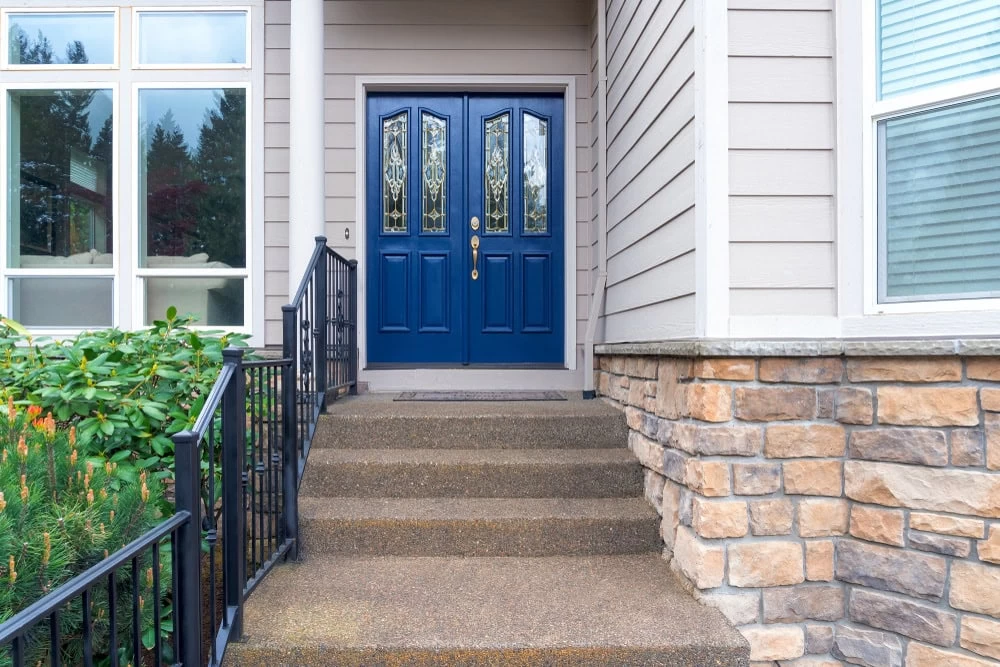
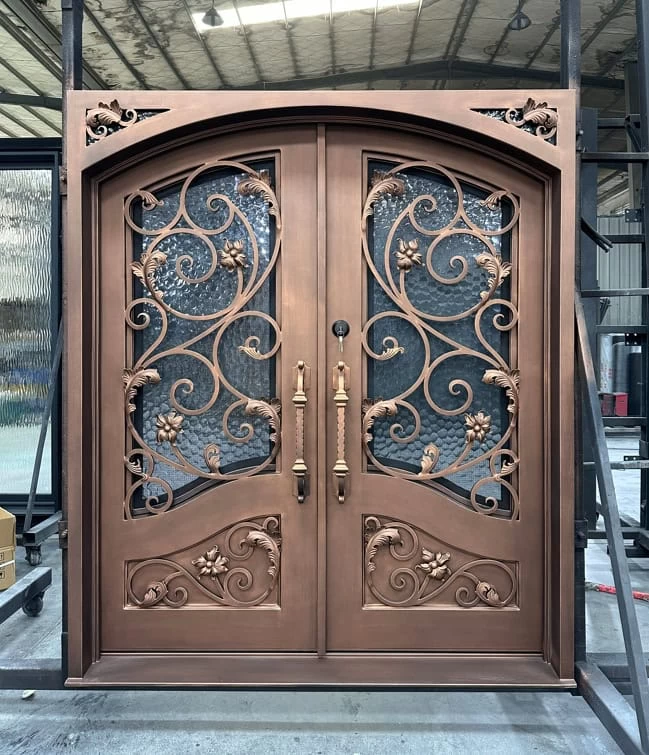
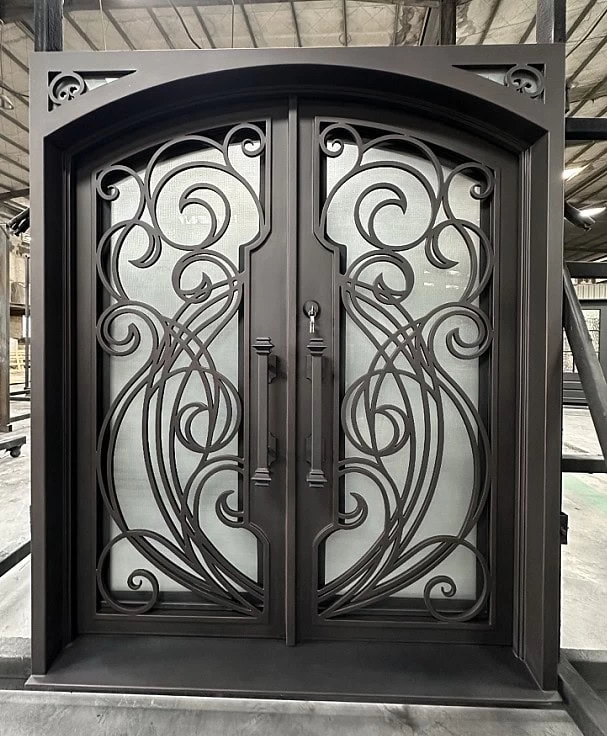
Selecting the right iron door style involves understanding personal taste. It also requires coordination with the home’s architecture. The blog here outlines the ways homeowners in New Jersey can install custom iron doors that complement the structure and curbside appeal.
Share:
Summary:
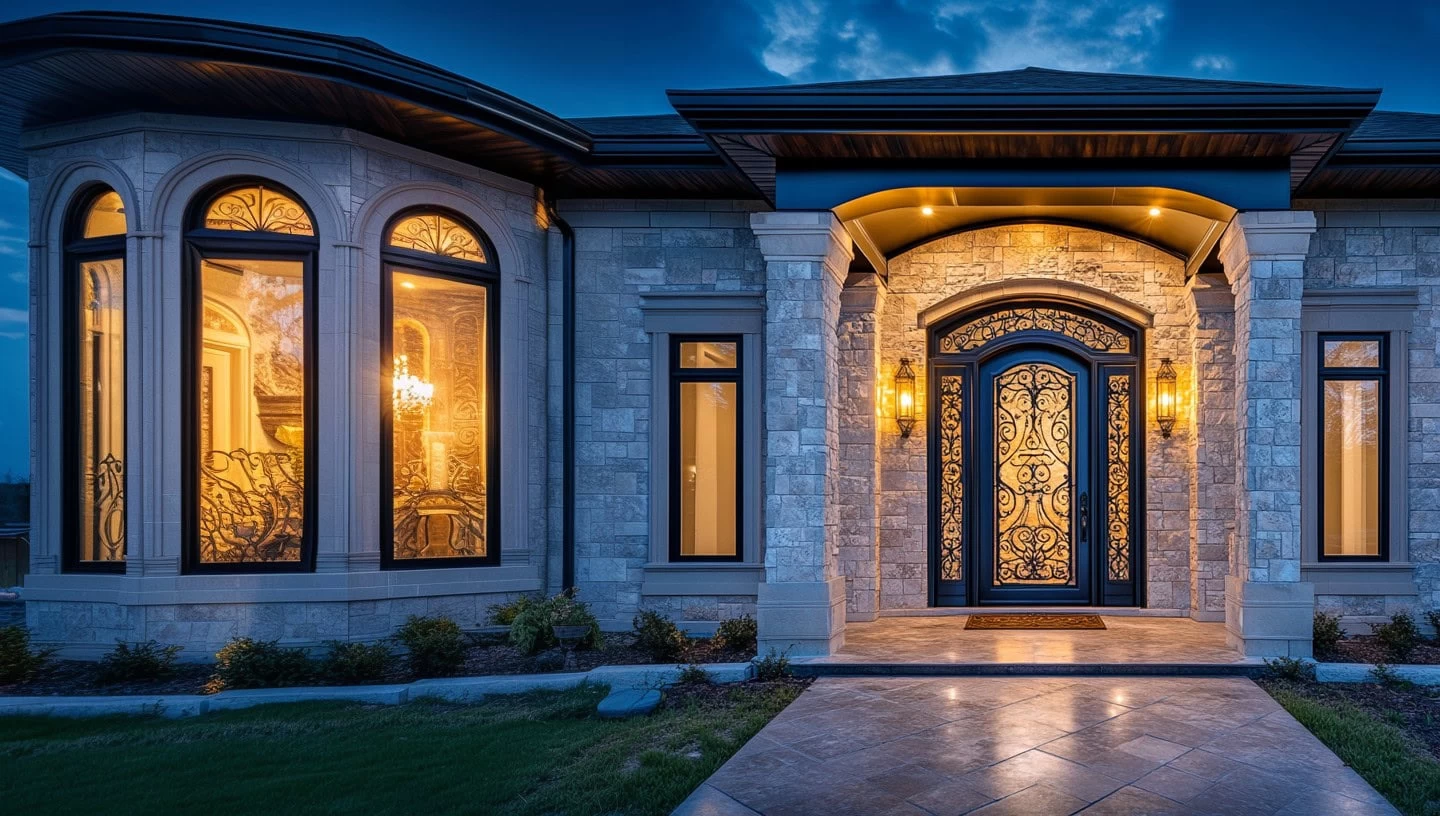
Choosing a custom iron door that complements your home’s architecture is both an art and a science. It requires a keen understanding of design principles and an appreciation for the unique characteristics of your home. Whether you reside in Middlesex or Bergen County, NJ, selecting the right door style can enhance your home’s curb appeal and create a cohesive aesthetic.
Before choosing a custom iron door, start by assessing the style of the home. For Colonial-style houses, symmetry and simplicity are key, often calling for paneled iron doors with minimal ornamentation. Tudor homes feature arched entrances, making arched iron front doors with wrought detailing a natural fit. In contrast, Modern or Contemporary houses typically benefit from iron exterior doors with clean lines and geometric patterns. Matching the door to the architecture for cohesion rather than conflict.
Proportion matters in door design. A large, two-story entryway may warrant double iron entry doors, while a single door with sidelights might be better suited for smaller homes. The size of the iron front door must be balanced against other exterior features such as windows, trim, and rooflines. Oversized or excessively ornate doors can overpower modest façades, especially in homes throughout Middlesex and Bergen Counties where residential structures vary widely in scale.
Custom iron doors incorporate glass panels, but the style of glass should reflect the home’s needs and architectural language. Frosted or textured glass adds privacy while maintaining light flow. Clear glass is better suited for contemporary homes with open design concepts. Mullions or iron overlays create a divided light look, often found in Craftsman and Traditional styles. Homeowners in New Jersey also consider visibility from the street and the relationship between the door and the interior entry space.
Want live answers?
Connect with a Iron Door Kings expert for fast, friendly support.
The ornamental facets of handcrafted iron doors should align with the home’s aesthetic. Traditional homes may benefit from scrollwork or textured finishes, while sleek touches and minimal embellishments in reference to modern architecture. For Mediterranean-style homes, iron doors with intricate iron grillwork and bronze patinas often work. In Bergen County, where stone and brick exteriors are common, matching ironwork colors with existing exterior tones creates a unified look. Avoid overdesigning; ornamentation should personified in a natural manner.
The door’s finish must coordinate with the rest of the home’s exterior materials. Matte black finishes offer timeless appeal and contrast well against lighter siding or stone. Bronze or rust finishes complement warm-toned brick or stucco. It’s also important to consider the finish of other exterior elements, such as railings, lighting fixtures, and shutters. Consistency across these components creates a balanced exterior. In neighborhoods across Middlesex County, finish selection is also based on community standards or HOA guidelines.
The hardware style plays a functional and visual role. Lever handles, deadbolts, and hinges should all align with the design language of the iron door. For example, traditional iron entry doors may feature vintage-style handles or thumb latches, while contemporary doors use streamlined levers. Placement matters, too. Door positioning must balance the image and ergonomic use. Quality hardware also adds to the door’s durability, which is important for New Jersey’s climate.
Choosing a custom iron door that fits your home’s architecture is a matter of observation. By assessing style, appropriately scaled features, decorative compositions, and aligning finishes to the hardware, you can accomplish a refined result. For those in Middlesex and Bergen Counties, a carefully chosen iron front door adds to the home’s façade.
Article details:
Share:
Continue learning: