Not all entry doors survive New Jersey winters. Find out which materials handle extreme weather, last decades, and actually protect your investment.
Share:
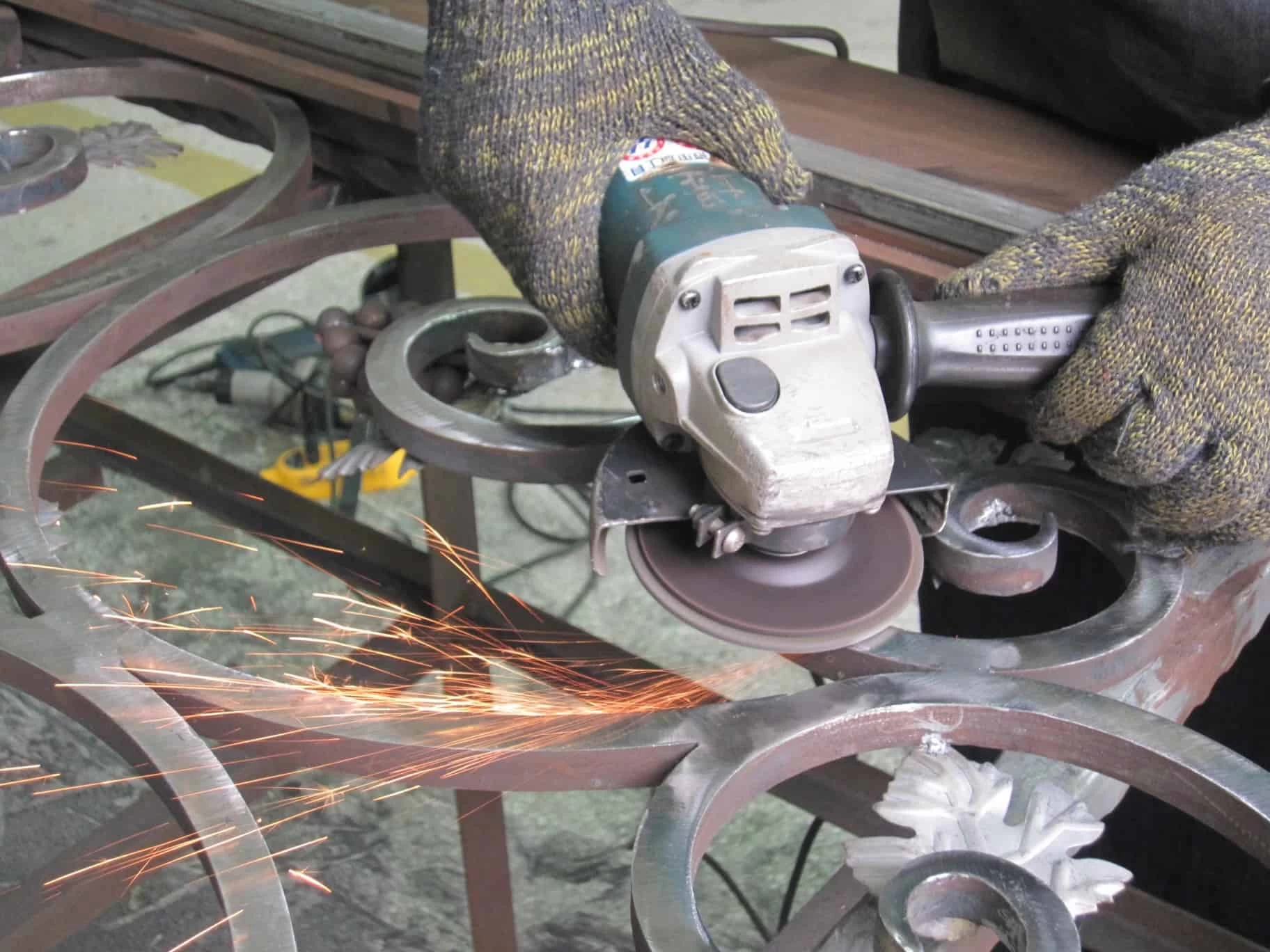
Summary:
Doors fail because they weren’t designed for your climate. Simple as that. You see it all the time—warping wood, rusted steel edges, drafts you can feel from across the room. The problem isn’t always the door itself. Sometimes it’s poor installation. Sometimes it’s the wrong material for the job.
New Jersey weather is unforgiving. We’re talking freeze-thaw cycles that crack weak materials, humidity that warps wood, and winter storms that dump over a foot of snow in a single day. Your door has to handle all of it without breaking down. That means the material matters, the construction matters, and the installation definitely matters.
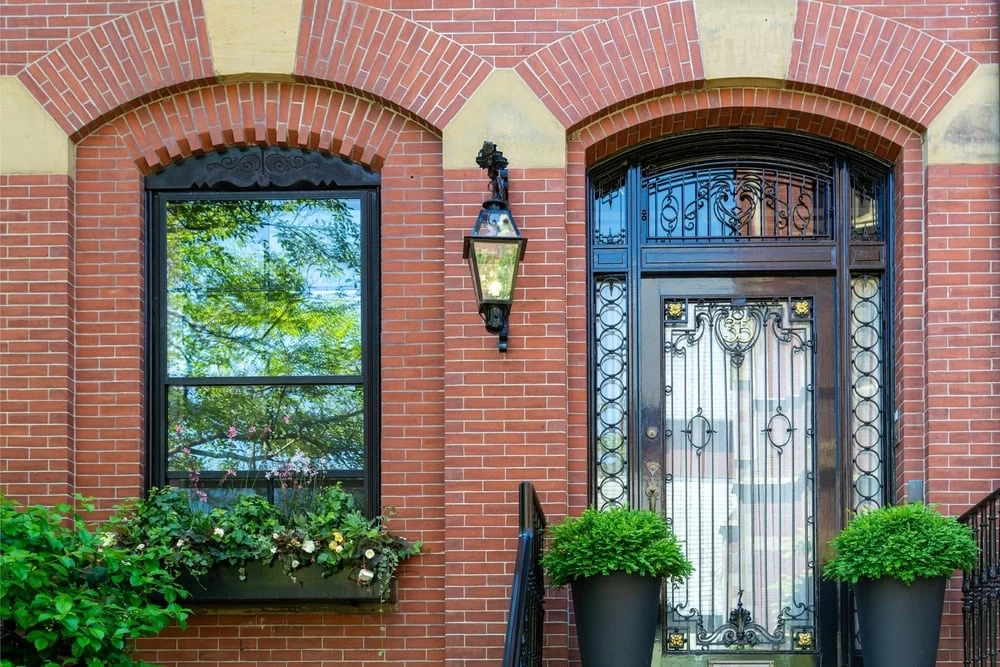
Temperature swings are one of the biggest threats to entry door durability. When temperatures drop below freezing at night and climb back up during the day, materials expand and contract. Do that enough times, and you get cracks, gaps, and seals that don’t seal anymore.
Wood is especially vulnerable. It swells when it’s humid, shrinks when it’s dry, and cracks when it can’t handle the stress. You end up with doors that stick in summer and let cold air pour in during winter. Even treated wood needs constant maintenance—sealing, painting, refinishing—or it starts to rot.
Steel and iron handle temperature changes much better. They don’t swell or shrink the way wood does. High-quality steel doors are built with reinforced frames and insulated cores that resist the effects of extreme temperatures. They stay tight in their frames, keep drafts out, and don’t warp when the weather turns.
Fiberglass is another solid option for temperature resistance. It’s designed to withstand both heat and cold without losing its shape. But if you’re prioritizing security along with weather resistance, steel and iron still come out ahead. They’re heavier, stronger, and harder to compromise.
The key is choosing a material that doesn’t fight against the climate. If your door is constantly expanding, contracting, or absorbing moisture, you’re setting yourself up for problems. Doors that are engineered for extreme weather—like steel entry doors with proper insulation and weatherstripping—handle the swings without breaking down.
Temperature swings are one of the biggest threats to entry door durability. When temperatures drop below freezing at night and climb back up during the day, materials expand and contract. Do that enough times, and you get cracks, gaps, and seals that don’t seal anymore.
Wood is especially vulnerable. It swells when it’s humid, shrinks when it’s dry, and cracks when it can’t handle the stress. You end up with doors that stick in summer and let cold air pour in during winter. Even treated wood needs constant maintenance—sealing, painting, refinishing—or it starts to rot.
Steel and iron handle temperature changes much better. They don’t swell or shrink the way wood does. High-quality steel doors are built with reinforced frames and insulated cores that resist the effects of extreme temperatures. They stay tight in their frames, keep drafts out, and don’t warp when the weather turns.
Fiberglass is another solid option for temperature resistance. It’s designed to withstand both heat and cold without losing its shape. But if you’re prioritizing security along with weather resistance, steel and iron still come out ahead. They’re heavier, stronger, and harder to compromise.
The key is choosing a material that doesn’t fight against the climate. If your door is constantly expanding, contracting, or absorbing moisture, you’re setting yourself up for problems. Doors that are engineered for extreme weather—like steel entry doors with proper insulation and weatherstripping—handle the swings without breaking down.
Want live answers?
Connect with a Iron Door Kings expert for fast, friendly support.
Not all entry door materials are created equal. Some look great for a few years and then fall apart. Others are built to last decades with minimal upkeep. If you’re investing in a new entry door, you need to know what you’re getting into with each material.
Steel and iron doors lead the pack for durability. Steel doors can last 40 to 50 years, and iron doors can go even longer—some lasting nearly a century with proper care. They don’t warp, rot, or crack the way wood does. They handle extreme temperatures, resist forced entry, and require very little maintenance beyond occasional cleaning.
Fiberglass is another strong contender. It resists dents, warping, and moisture damage, and it can last up to 70 years. Fiberglass doors also offer good insulation and can mimic the look of wood without the maintenance headaches. But they don’t quite match the security and strength of steel or iron.
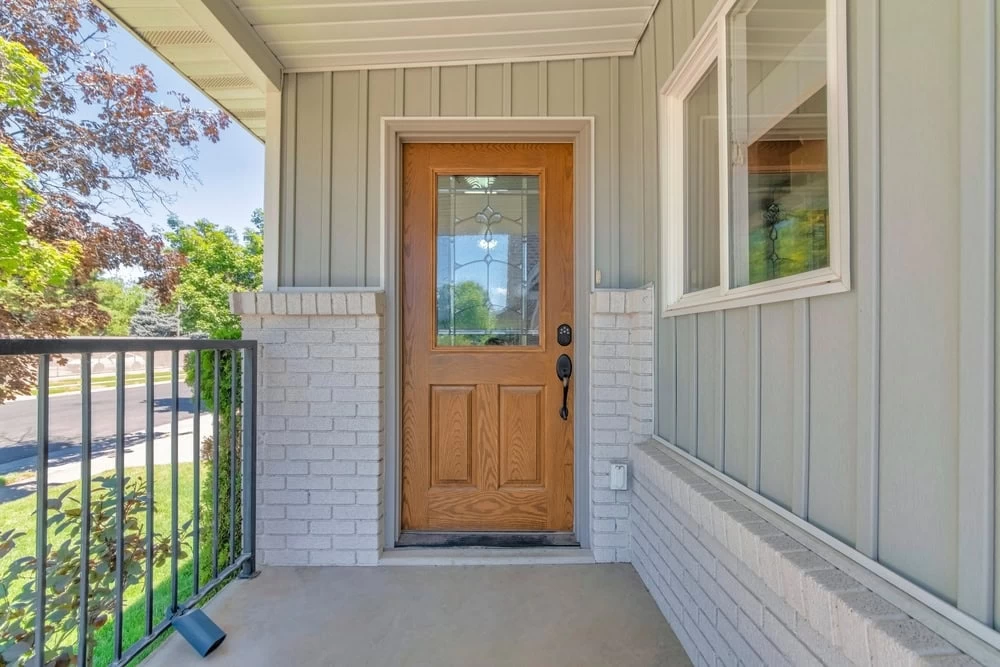
Steel and iron entry doors are built for performance. They’re heavier, stronger, and more secure than wood or fiberglass. That weight isn’t just for show—it’s what makes them so effective at keeping intruders out and weather at bay.
Steel doors are constructed with heavy-gauge steel frames and insulated cores. The steel itself resists impact, doesn’t warp in heat or cold, and provides a solid barrier against forced entry. Many steel doors also feature reinforced lock blocks and multi-point locking systems, which secure the door at multiple points along the frame. That makes them significantly harder to kick in or pry open.
Iron doors take security and durability even further. Modern iron doors use 12 to 14-gauge steel construction, which is thicker and stronger than standard steel doors. They’re built with reinforced frames, advanced locking systems, and weather-resistant seals that work together as a complete security system. Iron doors also offer fire-resistant properties that wood and fiberglass can’t match. In an emergency, that extra fire resistance could make a real difference.
Both steel and iron doors handle New Jersey’s weather extremes without breaking down. They don’t absorb moisture, so they won’t rot or swell. They resist rust when properly coated and maintained. And they don’t expand and contract the way wood does, so they stay tight in their frames year after year.
Maintenance is minimal. You’re not refinishing or repainting every couple of years like you would with wood. Steel and iron doors need occasional cleaning and inspection, but that’s about it. If the finish gets scratched, a quick touch-up prevents rust. Otherwise, they just keep working.
The upfront cost of steel or iron doors is higher than basic wood or fiberglass, but the long-term value is undeniable. You’re buying a door that will outlast cheaper alternatives by decades. You’re also investing in security, energy efficiency, and peace of mind. When you factor in the cost of maintaining a wood door over 20 or 30 years, steel and iron start looking like the smarter financial choice.
When you’re choosing an entry door, you have two main paths: pre-designed doors or custom doors. Both have their place, and the right choice depends on your home, your style, and your budget.
Pre-designed doors are faster and often more affordable. Manufacturers offer a wide range of styles, finishes, and configurations that fit standard door openings. If you find a pre-designed door that matches your home’s aesthetic and meets your functional needs, it’s a solid choice. You’ll get a quality product without the wait time or cost of a custom build.
Custom doors give you complete control over the design. You’re not limited to what’s in stock or what fits a standard size. You can choose the exact dimensions, style, finish, glass options, and hardware that match your vision. Custom doors are ideal if your home has non-standard openings, unique architectural features, or if you just want something that’s completely yours.
Here’s what matters with custom doors: the craftsmanship and the materials. A custom door is only as good as the people building it and the materials they use. High-quality custom doors are built with the same durable materials as pre-designed options—steel, iron, fiberglass—but they’re tailored to your specifications. That means you get the durability and performance you need, plus the design flexibility you want.
Installation is just as important as the door itself. Custom doors require precise measurements and professional installation to ensure proper fit and function. If the door isn’t installed correctly, you’ll lose the benefits of weatherproofing, security, and energy efficiency. That’s why working with a company that handles both design and installation is smart. You get a seamless process from start to finish, and you know the door will perform the way it’s supposed to.
One thing to keep in mind: custom doesn’t always mean more expensive. We offer custom designs at the same price as our standard options. That’s a huge advantage if you want a door that’s unique to your home without paying a premium for it.
Whether you go pre-designed or custom, focus on the fundamentals: durable materials, professional installation, and a design that fits your home. The door you choose will be there for decades. Make sure it’s built to last.
Your entry door is more than a piece of hardware. It’s your home’s first line of defense against weather, intruders, and energy loss. Choosing the right door means understanding what your climate demands and what materials can actually deliver.
Steel and iron doors handle extreme weather better than wood or basic fiberglass. They resist moisture, temperature swings, and physical damage. They provide superior security with reinforced frames and advanced locking systems. And they last decades longer with far less maintenance.
If you’re in Middlesex County, Bergen County, Monmouth County, or Essex County, NJ, you need a door that’s built for this climate. New Jersey weather doesn’t give you a break, and your door shouldn’t either. Invest in quality materials, professional installation, and a design that fits your home. When you’re ready to upgrade, we can help you find the right solution for your needs.
Article details:
Share:
Continue learning: