Your entry door faces freezing winters and humid summers. Here's how to choose one that handles New Jersey's climate extremes without driving up your energy bills.
Share:
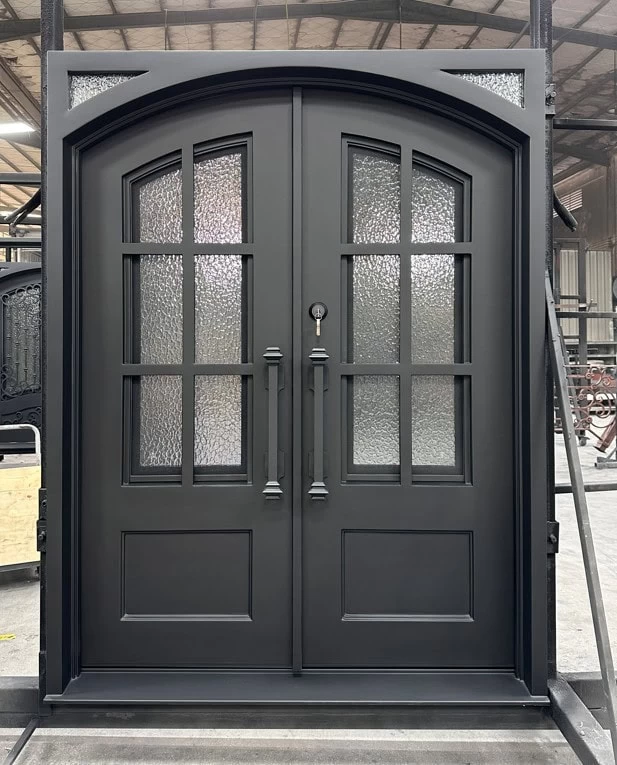
Summary:
Your front door takes a beating. Freezing January mornings. Humid August afternoons. Spring storms that seem to last for weeks. If you’re in Middlesex, Bergen, Monmouth, or Essex County, you already know—New Jersey weather doesn’t mess around.
Most entry doors aren’t built for this. They leak air. They let moisture creep in. They make your heating system work overtime while your energy bills climb. You feel the draft when you walk past. You see condensation forming on the glass during cold snaps. And you’re tired of it.
The right weatherproof entry door changes that. It keeps the cold out, reduces your energy waste, and actually holds up to what New Jersey throws at it. Here’s what you need to know about thermal performance, insulation, and choosing a door that works in your climate.
You’re dealing with Climate Zone 5. That means outdoor temperatures drop below 20°F in winter and push past 90°F in summer. Your entry door sits right in the middle of that temperature swing, every single day.
Standard doors weren’t designed for this. They’re built for moderate climates where temperature differences stay manageable. But here? The temperature gap between inside and outside can hit 50-70 degrees. Every weak spot in your door becomes a path for heat to escape in winter or invade in summer.
That’s not just uncomfortable. It’s expensive. Heat loss through doors accounts for up to 30 percent of your home’s heating and cooling energy use. When your door can’t handle the climate, your HVAC system compensates. It runs longer, works harder, and costs you more every month.
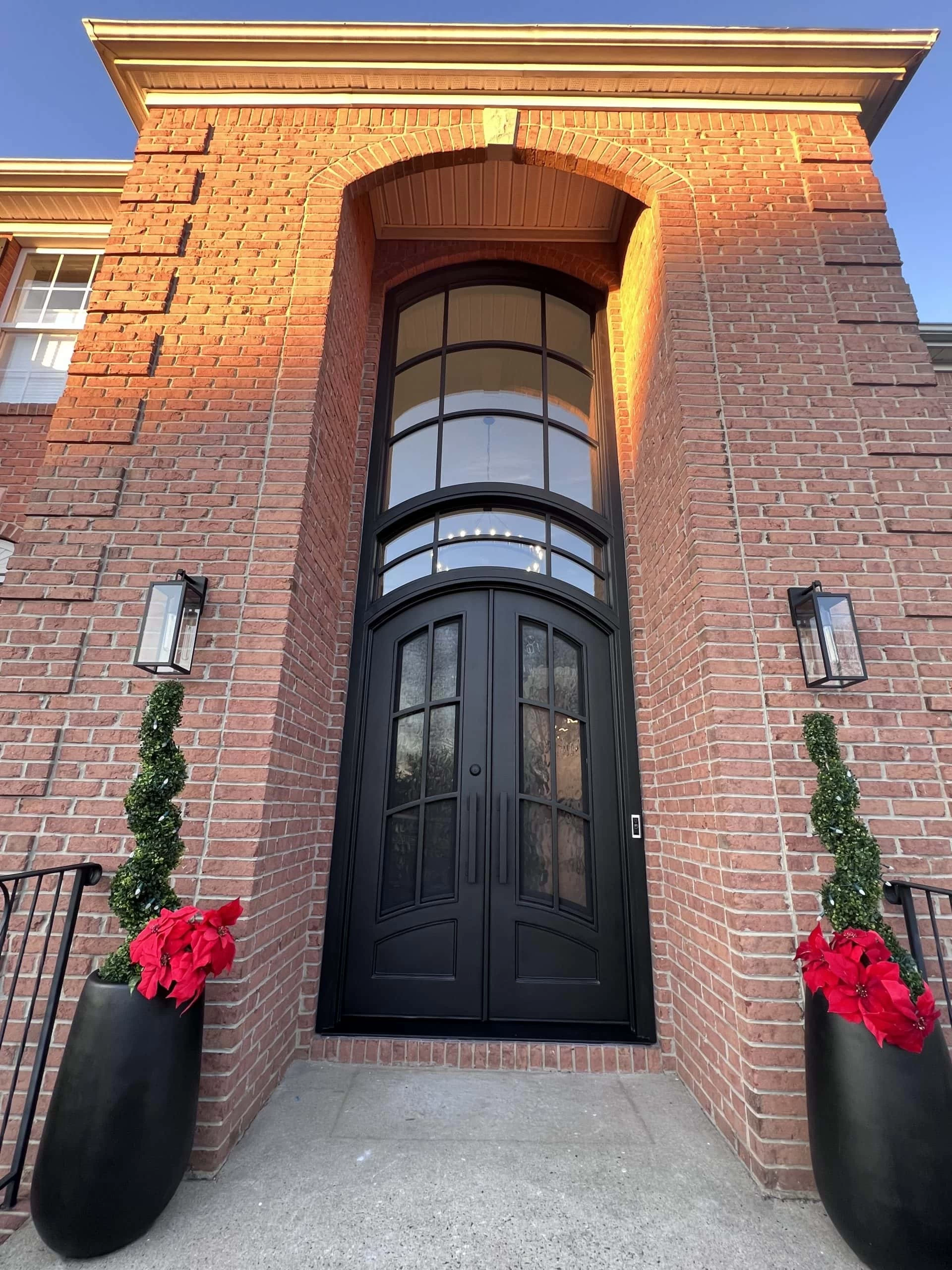
Let’s talk about what actually happens to your door when temperatures swing. Metal conducts heat. When it’s 15°F outside and 68°F inside, that metal frame becomes a thermal bridge—a direct path for your indoor heat to flow outside.
You’ll see condensation first. Water droplets form on the inside of your door during cold snaps because the interior surface gets cold enough to turn moisture in your warm indoor air back into liquid. That’s not just annoying. It’s a sign that you’re losing serious heat through that door.
Wood doors have a different problem. They absorb moisture from humid summer air and expand. Then they dry out in winter and contract. After a few years of this cycle, you get gaps, warping, and doors that stick when you try to open them. The seals stop working properly. Air leaks in around the edges.
Standard hollow-core doors or basic steel doors without proper insulation just can’t keep up. They might look fine, but they’re not doing the job. Your heating system runs constantly trying to maintain temperature. You feel cold spots near your entryway. Your energy bills reflect the problem.
This is why door construction matters more than appearance. The materials, the insulation core, the frame design—these determine whether your door actually protects your home or just looks like it does. In New Jersey’s climate, that difference shows up fast. Usually within the first winter.
Humidity doesn’t just make summer uncomfortable. It attacks your entry door from multiple angles. Coastal areas in Monmouth County deal with salt air that accelerates corrosion on metal components. Inland areas still get humidity levels that cause problems with unsealed wood and inadequate weatherstripping.
March brings a specific challenge. You get freezing nights followed by warmer afternoons. Heavy spring rains. This constant switching adds stress that standard doors can’t handle. Wood doors take on moisture from the air and expand just enough to stick. After a dry spell, they shrink and leave bigger gaps at the bottom, letting in drafts.
Even quality doors fail without proper moisture-resistant finishes. Water finds its way into small cracks in the finish. It sits there. In winter, it freezes and expands, making those cracks bigger. The cycle repeats. Within a few years, you’re looking at rot, rust, or structural damage that requires replacement.
Your door’s threshold and weatherstripping face the worst of it. Water pools at the bottom during storms. If the threshold isn’t designed to drain properly, that water sits against your door. Standard rubber weatherstripping degrades faster in humid conditions. It gets brittle, cracks, and stops sealing.
Moisture-resistant finishes aren’t optional in this climate. They’re essential. Powder coating on metal doors provides a barrier against salt air and humidity. Properly sealed frames prevent water intrusion. Quality weatherstripping designed for temperature extremes maintains its seal through seasons of expansion and contraction.
The counties closest to the coast—Monmouth especially—need even more attention to moisture resistance. Salt air is corrosive. It finds any weakness in your door’s protective coating. If you’re within a few miles of the ocean, standard finishes won’t last. You need marine-grade protection or specialized coatings designed for coastal exposure. For properties in hurricane-prone coastal zones, hurricane-rated doors provide additional wind and impact resistance that standard doors can’t match.
This isn’t about being picky. It’s about choosing a door that actually survives your environment. Moisture-resistant finishes and proper construction details determine whether your door lasts 10 years or needs replacement in 3.
Want live answers?
Connect with a Iron Door Kings expert for fast, friendly support.
Thermal break technology solves the heat transfer problem. Here’s how it works: a low-conductivity material sits between the inside and outside metal of your door frame. This barrier stops heat from flowing directly through the metal.
Without a thermal break, your metal door frame acts like a radiator in reverse. It conducts heat from your warm house directly to the cold outside air. With a thermal break, that conduction stops. The inside and outside of your frame are thermally separated.
This isn’t a small improvement. Thermal break doors can reduce heat loss by 50% compared to non-thermally broken systems. That translates directly to lower heating bills and more consistent indoor temperatures. You stop feeling that cold spot near your front door on winter mornings.
R-value measures how well your door resists heat flow. Higher R-values mean better insulation. Steel doors with proper insulation hit R-5 to R-6. Wood doors typically range from R-3 to R-4. That means a well-insulated steel door offers more than five times the insulating value of a solid wood door of the same size.
U-factor measures the opposite—how much heat transfers through your door. Lower U-factors are better. When you’re comparing doors, look for U-factors below 0.30 for New Jersey’s climate. Anything higher means you’re losing too much heat.
The insulation core makes the difference. Polyurethane foam cores provide the best performance. They’re sprayed into the door cavity where they expand to fill every space. This eliminates air pockets that would allow heat transfer. The foam bonds to the inner and outer door skins, creating a solid, insulated structure.
Some manufacturers use polystyrene foam instead. It’s cheaper but doesn’t perform as well. The difference might seem small on paper, but it adds up over a heating season. If you’re investing in a quality door, insist on polyurethane foam core insulation.
Glass panels change the equation. Even with insulated glass, a door with large glass areas will have a lower overall R-value than a solid door. If you want natural light, look for doors with double-pane or triple-pane Low-E glass filled with argon gas. This minimizes heat loss through the glass while still allowing light transmission.
Your door’s thermal performance also depends on proper installation. Gaps around the frame, missing insulation in the rough opening, or poor weatherstripping installation can destroy the thermal performance of even the best door. The frame must be properly sealed, insulated, and aligned. Weatherstripping needs to create continuous contact all around the door when closed.
Steel doors outperform wood in thermal efficiency when properly constructed. They maintain their shape through temperature changes, which means seals stay effective and drafts stay out. Wood expands and contracts with humidity and temperature, eventually creating gaps that leak air.
Fiberglass doors offer comparable insulation to steel. They resist moisture well and won’t rust. The main advantage of steel is durability and security. Steel doors handle impacts better and provide superior resistance to forced entry. For New Jersey homeowners concerned about both weather performance and security, insulated steel makes sense.
The construction quality matters more than the material choice. A cheap steel door with minimal insulation performs worse than a quality wood door with proper sealing. Look for doors with continuous steel construction—one piece of steel forming the face and edges. This eliminates weak points where water can enter.
Gauge thickness indicates steel quality. 20-gauge steel provides 49% more material than standard 24-gauge doors. That extra steel adds strength and helps the door maintain its shape over time. It’s worth the additional cost for doors that face extreme weather.
Insulated steel entryways combine the strength of steel with thermal break technology and foam core insulation. They’re specifically engineered for climates like New Jersey’s where both thermal performance and durability matter. These doors maintain consistent R-values across their entire surface because the insulation fills the complete cavity.
Moisture-resistant finishes protect the steel from rust and corrosion. Galvanized steel gets coated in zinc, which prevents rusting even when the finish gets scratched. Powder coating adds another layer of protection. It’s baked onto the steel surface, creating a durable finish that resists chipping, fading, and moisture penetration.
Some homeowners worry that steel doors feel cold to the touch. That was true of older, uninsulated steel doors. Modern insulated steel doors with thermal breaks don’t have this problem. The interior surface stays close to room temperature because the insulation and thermal break prevent heat transfer from inside to outside.
New Jersey’s climate demands more from your entry door than mild climates do. Temperature extremes, humidity, and moisture exposure eliminate doors that would work fine elsewhere. You need thermal break technology, proper insulation, and moisture-resistant construction.
Start with the R-value. Look for R-5 or higher in solid doors. Understand that glass panels reduce overall thermal performance, but quality Low-E glass minimizes the impact. Check the U-factor—lower is better, and you want to stay below 0.30 for this climate.
Material choice matters, but construction quality matters more. Insulated steel doors with thermal breaks and polyurethane foam cores deliver the best combination of thermal performance, durability, and security. Make sure the finish is designed for your specific conditions—coastal areas need extra corrosion protection.
Your door is only as good as its installation. Proper sealing, frame insulation, and weatherstripping installation determine real-world performance. Work with installers who understand New Jersey’s climate requirements and have experience with high-performance door systems.
We specialize in entry doors built for extreme climate performance. Our team understands what works in Middlesex, Bergen, Monmouth, and Essex Counties because we’ve been installing doors in these conditions for years. If you’re ready to stop fighting with a door that can’t handle New Jersey weather, reach out to us for a consultation.
Article details:
Share:
Continue learning: