Not all security doors are equal. Learn the real differences between steel and iron construction and what actually stops forced entry at your Essex County, NJ home.
Share:
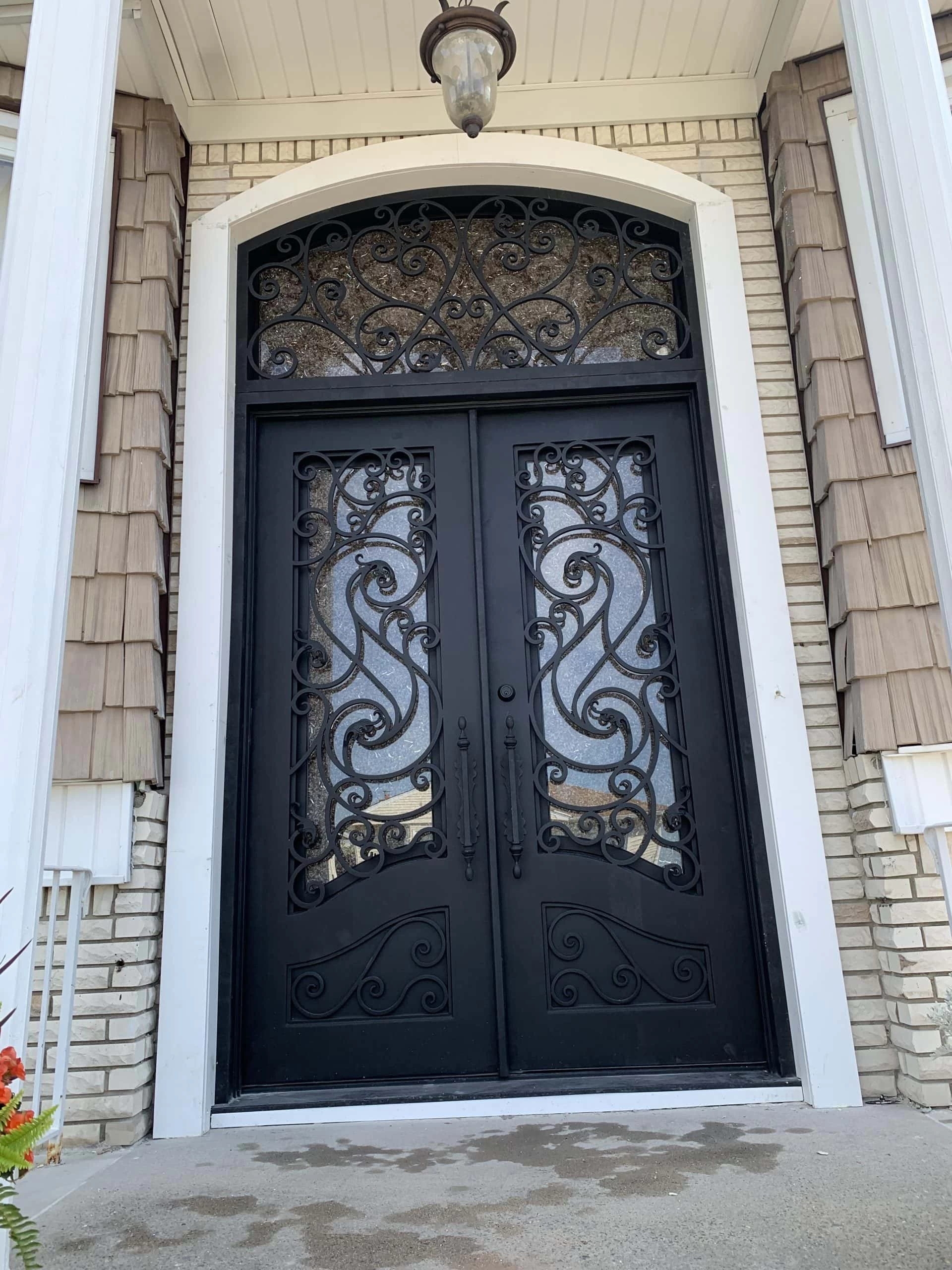
Summary:
You want a door that stops intruders. Not one that looks tough but fails when it matters.
The problem is that most security door information focuses on features instead of performance. You hear about gauges and locks and reinforced frames, but nobody explains what that means when someone’s trying to force their way into your home at 3 AM.
Here’s what actually determines if a door is secure: the material thickness, how it’s constructed, whether the frame can support it, and if the locking system distributes force properly. Everything else is secondary.
Let’s look at what makes steel and iron doors different, and which construction type gives you the protection you’re paying for.
Wood warps. Fiberglass cracks under force. Aluminum dents too easily. When you need a door that actually resists forced entry, you’re looking at steel or iron construction.
Both materials outperform everything else on the market for one simple reason: density. A solid metal door doesn’t give intruders anything to exploit. There’s no weak grain to split, no composite material to separate, no hollow core to punch through.
Steel doors use an alloy of iron and carbon, typically with a foam or mineral core for insulation. The steel skin wraps this core, creating a door that’s strong but manageable in weight. Iron doors, specifically wrought iron, are built with heavy-gauge frames and welded components. They’re heavier, more rigid, and generally more resistant to impact.
The security advantage comes down to how these materials respond when someone tries to breach them. Steel can dent or deform under extreme pressure, especially if it’s a thinner gauge. Iron resists that deformation better due to its composition and thickness, but it’s also more expensive and requires professional installation to handle the weight properly.
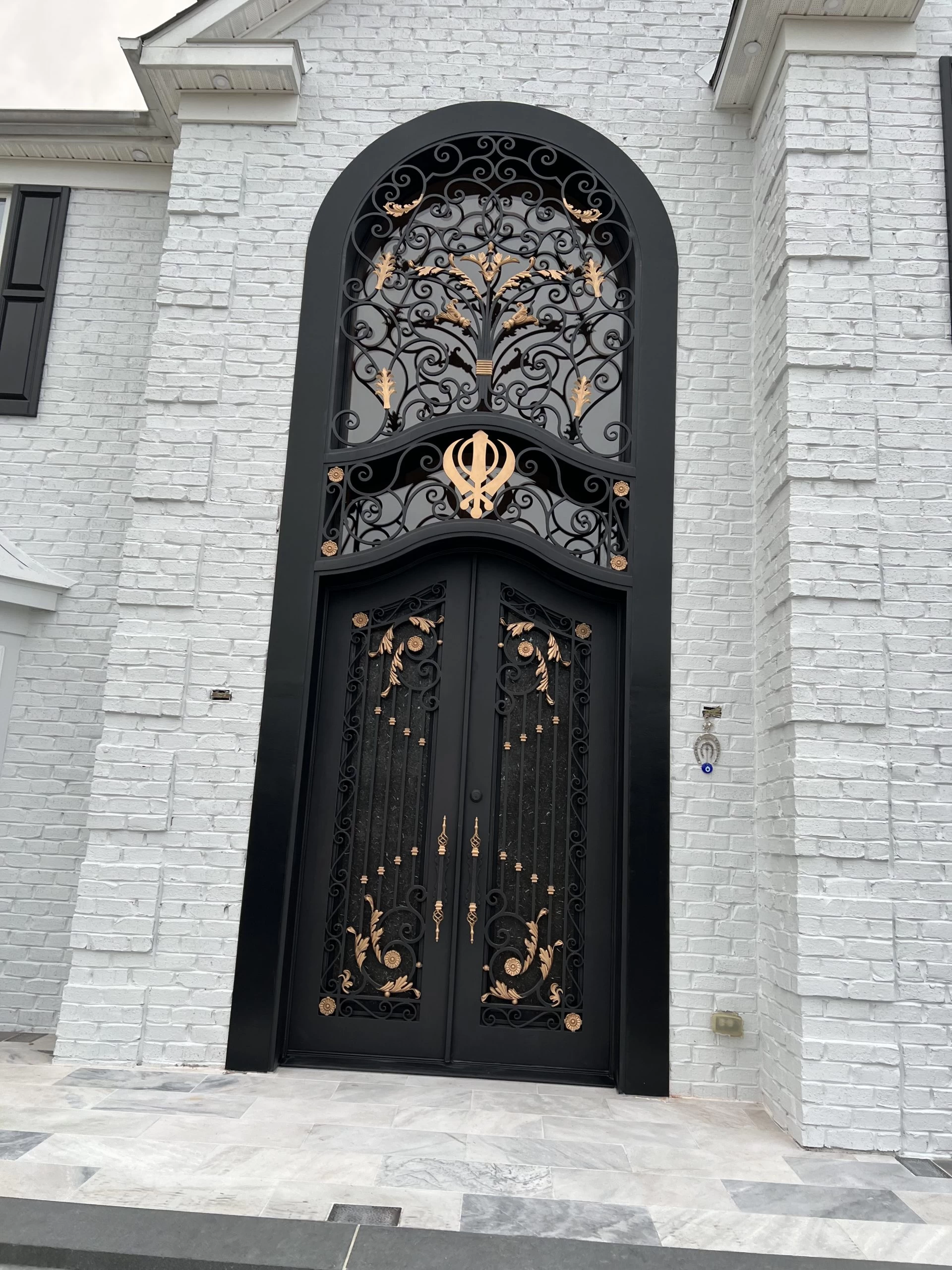
Steel gauge is counterintuitive. Lower numbers mean thicker, stronger steel. A 16-gauge door is significantly more robust than a 24-gauge door.
For residential security, you’re typically looking at 20-gauge to 24-gauge steel. Most manufacturers use 24-gauge or 26-gauge because it’s lighter and cheaper to produce. That’s fine for moderate climates and low-security needs, but it’s not what you want if protection is the priority.
A 20-gauge or 22-gauge steel door offers better resistance to forced entry. The thicker steel doesn’t dent as easily when hit with a crowbar or sledgehammer. It also supports heavier, more secure locking systems without the door flexing around the lock mechanism.
Some high-security applications use 16-gauge or even 14-gauge steel. These are commercial-grade doors designed for extreme abuse or security-critical environments. They’re tested to withstand attacks from sledgehammers, axes, power drills, and pry bars for 15 minutes or more. For most homes, they’re overkill, but they demonstrate what’s possible when thickness is prioritized over cost.
The gauge of the door frame matters just as much as the door itself. A thick door mounted in a thin frame creates a weak point. The frame needs to be at least as robust as the door, if not more so, because that’s where the locking system anchors. If the frame bends or pulls away from the wall during a forced entry attempt, the door’s thickness becomes irrelevant.
Installation plays a huge role here. The frame has to be properly anchored to the structure, not just the drywall or trim. This usually means securing it to the studs with heavy-duty fasteners. Some installations also include reinforced strike plates that distribute the force of a kick or ram across a larger area, making it much harder to compromise the lock.
When you’re evaluating steel doors, ask about both the door gauge and the frame gauge. If a company only talks about the door itself, that’s a red flag. The system works as a unit, and any weak link undermines the entire setup.
Iron doors cost more upfront. There’s no getting around that. A quality wrought iron door can run several thousand dollars, while a steel door might cost a fraction of that. But the cost comparison changes when you factor in replacement cycles and maintenance.
Steel doors, especially thinner gauges, are prone to rust if the protective coating gets scratched or worn. Once rust starts, it compromises the structural integrity. You’re not just dealing with an aesthetic problem; you’re dealing with a door that’s actively weakening. In humid climates or coastal areas, this happens faster. Some homeowners end up replacing steel doors within five to ten years when rust becomes unmanageable.
Iron, particularly wrought iron, handles corrosion differently. It can develop surface rust, but it doesn’t deteriorate as quickly because of how it’s constructed. The material is denser and the protective coatings tend to bond better. When properly maintained, an iron door can last multiple decades—often 30 to 50 years or more—without needing replacement.
Impact resistance is another area where iron pulls ahead. Drop something heavy against a steel door and you’re likely to see a dent. That dent isn’t just cosmetic—it can affect how the door seals and operates. Iron doors resist that kind of damage better because of their weight and rigidity. They’re built to absorb impact without deforming.
From a security standpoint, this matters because intruders often test a door before attempting entry. They’ll kick it, hit it, or try to pry it to see how it responds. A door that shows visible damage or flexes under pressure signals vulnerability. A door that doesn’t budge sends a different message entirely.
The weight of an iron door also works in your favor. It’s harder to force open simply because there’s more mass to move. The hinges need to be heavy-duty to support that weight, which means they’re also harder to compromise. Everything about the construction scales up to match the door’s demands.
Maintenance requirements differ too. Steel doors often need periodic repainting or touch-ups to prevent rust, especially around hardware and edges where the coating wears first. Iron doors require similar care, but less frequently, and they’re more forgiving when minor surface rust appears. A steel door with compromised coating can fail within a year or two; an iron door gives you more time to address issues before they become critical.
Want live answers?
Connect with a Iron Door Kings expert for fast, friendly support.
A single deadbolt is a single point of failure. That’s the problem with standard door locks. An intruder only needs to defeat one mechanism, and if the frame is weak, they don’t even need to pick the lock—they just force the door until the frame gives way.
Multi-point locking systems change that equation. Instead of securing the door at one location, they engage locks at multiple points along the frame—typically at the top, middle, and bottom. This distributes the force of an attempted breach across the entire door height, making it exponentially harder to force open.
When you turn the key or handle on a multi-point lock, you’re activating several bolts simultaneously. Some extend into the frame at the top and bottom, while others engage at the middle. This creates a seal that’s not just about security; it also improves weather resistance and insulation by pulling the door tightly against the frame.
The security advantage is straightforward. An intruder would need to defeat multiple locking points at once, which isn’t feasible with standard tools or techniques. Even if they manage to compromise one lock, the others hold the door in place. This buys time—either for you to respond or for help to arrive—and in most cases, it’s enough of a deterrent that they move on to an easier target.
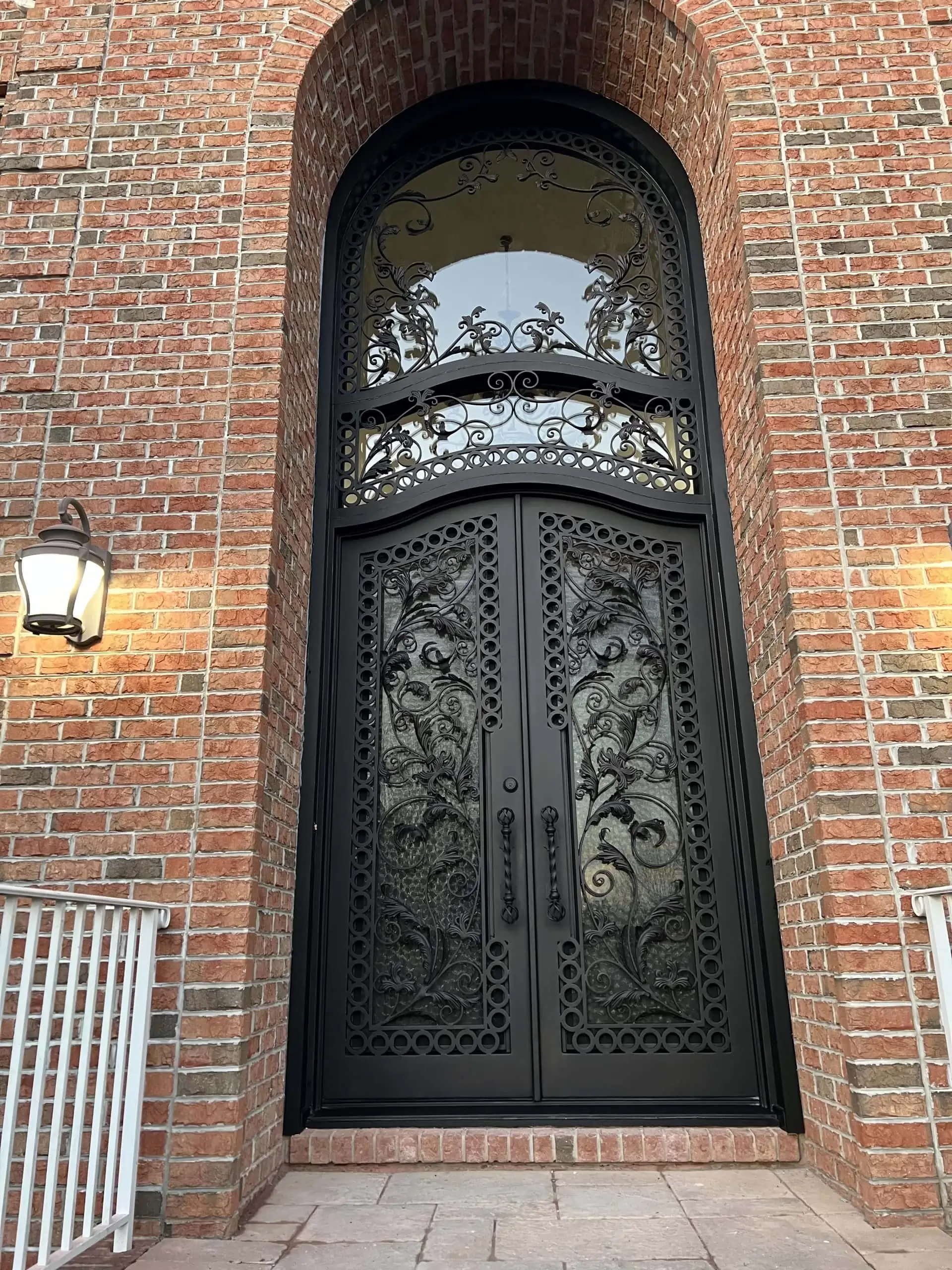
The door is only as secure as what it’s mounted to. This is where a lot of security setups fail.
Standard door frames are often made from soft wood or thin metal, designed more for appearance than strength. They’re attached to the wall with a few screws into the trim or drywall. When force is applied—a kick, a ram, a crowbar—the frame is the first thing to give. The door itself might be perfectly intact, but it’s now sitting in a compromised opening.
Reinforced frames address this by using thicker gauge steel and more robust anchoring methods. Instead of relying on a few trim screws, the frame is secured directly to the structural studs with heavy-duty fasteners. Some systems also include steel reinforcement plates around the lock area, where the most force is typically concentrated.
The strike plate is a critical component that often gets overlooked. This is the metal plate on the frame that the deadbolt slides into when you lock the door. On most residential doors, it’s a thin piece of metal held in place by short screws. A solid kick can rip it right out.
A reinforced strike plate is thicker, larger, and secured with screws that go several inches into the stud—typically three inches or more. Some designs distribute the force across a foot or more of the frame, making it nearly impossible to breach without damaging the wall itself. This is the kind of upgrade that makes a real difference in forced entry resistance.
Frame alignment also matters. If the door doesn’t sit properly in the frame, it creates gaps that can be exploited. Even a small gap gives an intruder a place to insert a pry bar. Professional installation ensures the door and frame are aligned correctly, with no weak points that could be leveraged.
In Essex County, NJ, where organized burglary rings have been targeting homes, these details aren’t optional. Recent break-ins have shown suspects using crowbars and brute force to get through windows and doors while residents are inside. A properly reinforced frame can be the difference between a failed attempt and a successful intrusion. With a crime occurring every 15 minutes on average in the county, homeowners are increasingly prioritizing entry point security.
Glass is the obvious weak point in any door that includes it. You can have the most secure steel or iron construction, but if there’s a standard glass panel, an intruder just breaks it and reaches through to unlock the door from the inside.
Impact-resistant glass solves this problem by using laminated layers that hold together even when shattered. It’s similar to automotive safety glass—when struck, it cracks but doesn’t create an opening. This prevents the smash-and-reach technique that defeats so many otherwise secure doors.
The glass is typically made of multiple layers bonded with a polymer interlayer. When force is applied, the outer layer may crack, but the interlayer keeps the glass intact. It takes sustained, repeated impacts to actually breach it, which creates noise and takes time—two things intruders want to avoid.
For maximum security, the glass should be positioned away from the lock mechanism. Some door designs place decorative glass panels near the top or in patterns that don’t provide access to the lock even if broken. This adds another layer of protection by making the glass less useful as an entry point.
Tamper-proof hardware includes features like non-removable hinge pins, which prevent someone from simply popping the hinges and lifting the door out of the frame. Standard hinges have pins that can be tapped out from the outside if the door swings outward. Tamper-proof designs use hinges where the pins are concealed or secured in a way that makes removal impossible without access to the interior.
Door handles and locksets should also resist drilling and picking. High-security locks use hardened steel inserts that stop drill bits, and they’re designed with pick-resistant cylinders that make manipulation much more difficult. These aren’t foolproof—no lock is—but they raise the skill and time requirements enough to deter most intruders.
The integration of all these components is what creates a truly secure door system. The material provides the foundation, the locking mechanism secures it, the frame supports it, and the hardware prevents workarounds. When one element is weak, the entire system is compromised.
In New Jersey’s climate, you also need to consider how weather affects these components. Temperature swings, moisture, and freeze-thaw cycles can cause materials to expand and contract. This can create gaps, loosen hardware, or affect how smoothly the door operates. Quality materials and professional installation account for these factors, ensuring the door remains secure and functional year-round, from humid summers to harsh winters.
Security comes down to material quality, construction method, and installation precision. Steel offers a cost-effective option with good protection when you choose the right gauge and frame reinforcement. Iron provides superior long-term durability and impact resistance, with less maintenance and a longer lifespan.
The most secure doors combine thick gauge material, multi-point locking systems, reinforced frames, and professional installation. Skipping any of these elements creates a vulnerability that undermines the others.
If you’re in Essex County, NJ and you’re serious about protecting your home, the door is where you start. It’s the primary entry point, and it’s what intruders test first. A properly secured entrance doesn’t just stop break-ins—it prevents attempts in the first place.
We specialize in custom iron door installation throughout Middlesex and Bergen County with the kind of attention to detail that makes the difference between a door that looks secure and one that actually is. From material selection to frame reinforcement to final installation, every step is handled by our professionals who understand what real security requires.
Article details:
Share:
Continue learning: