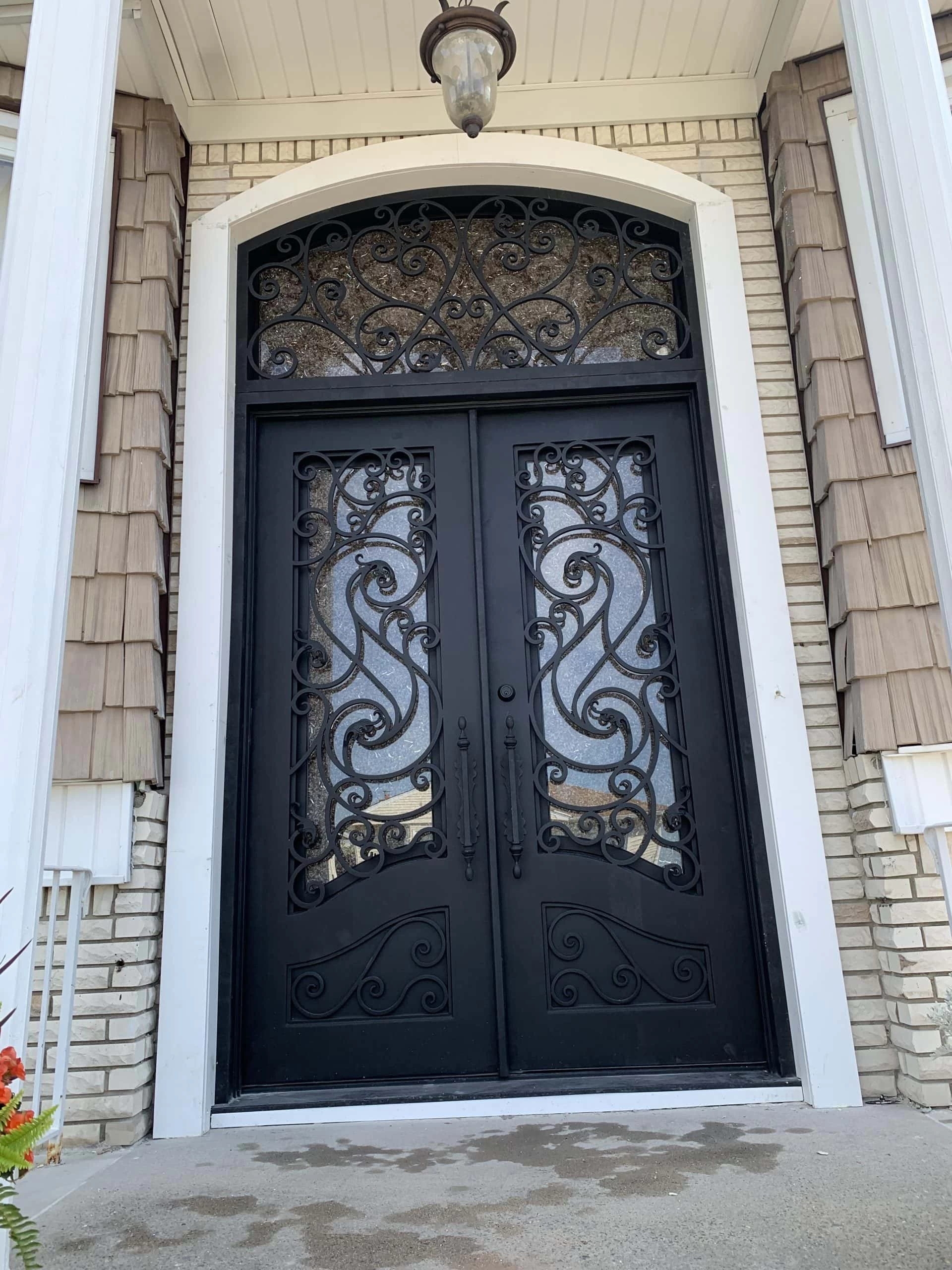
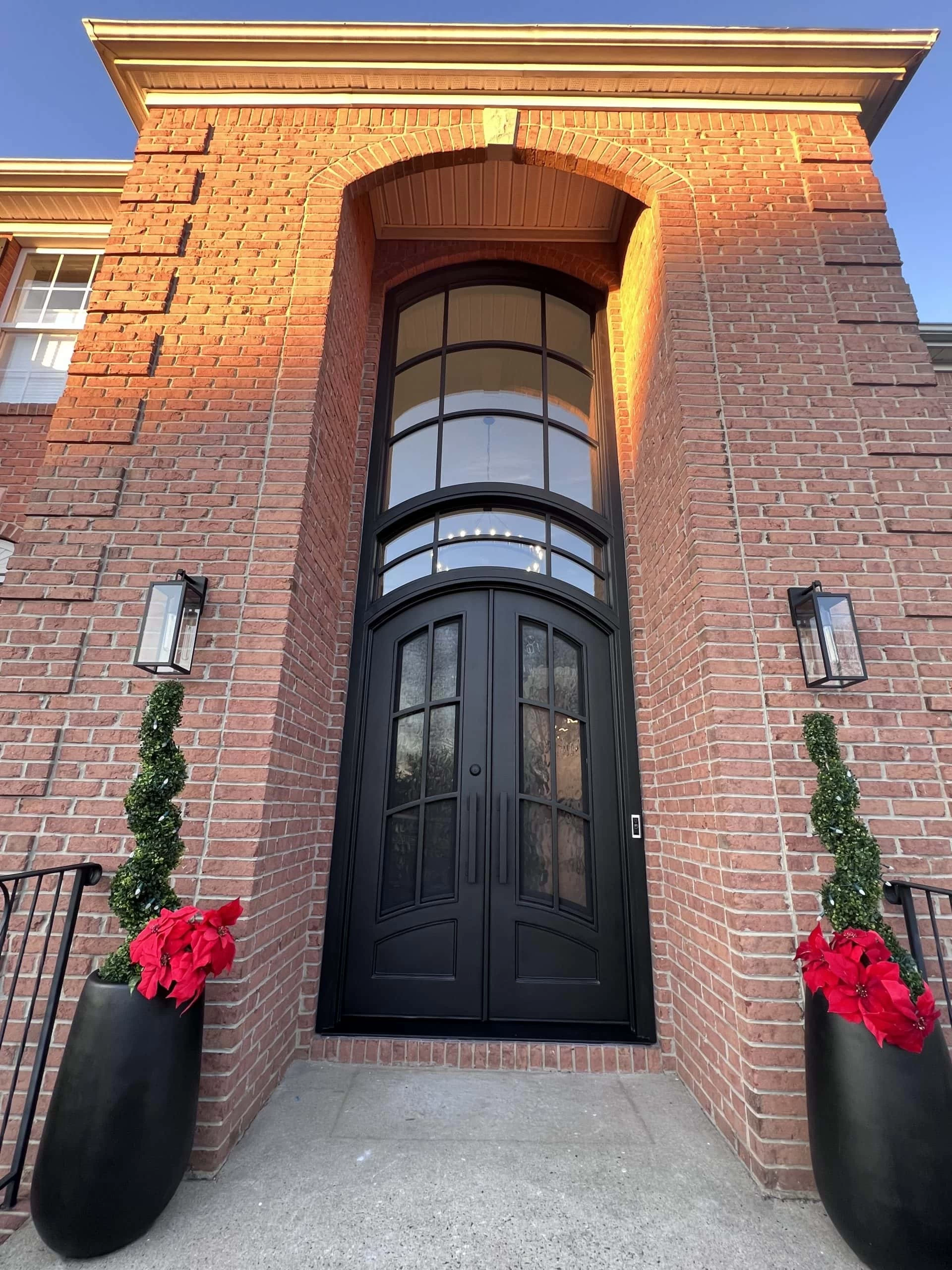
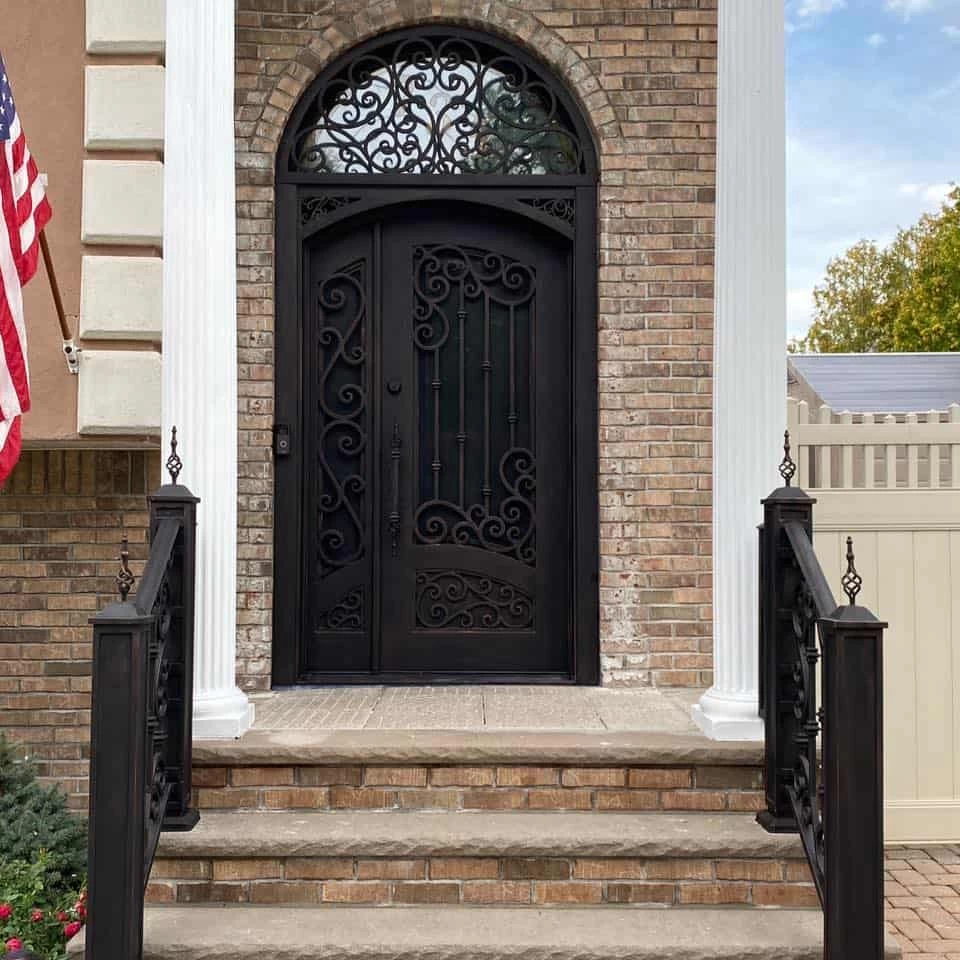
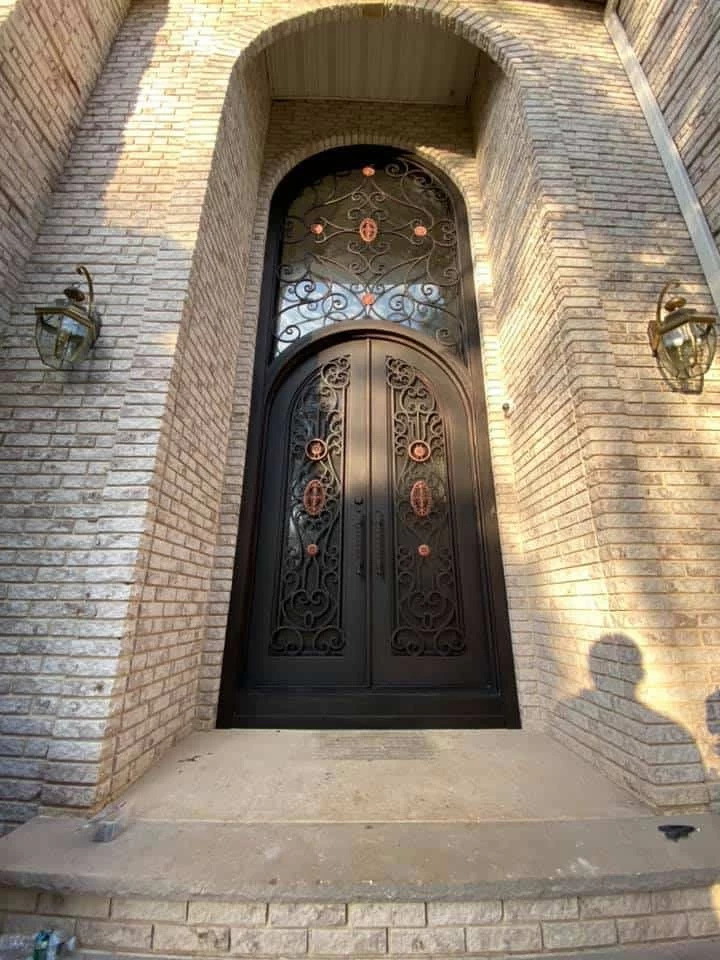
Not all security doors deliver the same protection. Learn the real differences between metal and steel options and which stands up to New Jersey's toughest conditions.
Share:
Summary:
You’re looking at security doors because a standard entry door doesn’t cut it anymore. Maybe you’ve seen the news about break-ins in Essex County, NJ. Maybe your neighborhood’s changing. Or maybe you just want to stop worrying every time you hear a noise at night.
Here’s the thing: not all security doors are built the same, and the terms “metal” and “steel” get thrown around like they mean the same thing. They don’t. The door you choose determines whether you’re getting real protection or just paying for the illusion of it. Let’s break down what actually matters when you’re comparing materials, construction, and long-term performance.
The confusion starts with terminology. When most people say “metal security doors,” they’re usually talking about iron or wrought iron construction. Steel is technically a metal too, but it’s an alloy—iron mixed with carbon and other elements to change its properties.
Iron doors typically use 12 to 14-gauge steel construction, which is thicker and stronger than the 24 to 26-gauge steel you’ll find in standard residential steel doors. That gauge number matters more than most salespeople will tell you. Lower numbers mean thicker material, and thickness directly affects how well a door resists forced entry.
The real difference shows up in how these materials age. Steel oxidizes into rust when exposed to moisture, which weakens structural integrity over time. Iron develops a patina—a protective layer that actually shields the material from deep corrosion. That’s why you see century-old wrought iron fences still standing while steel structures from the 1980s are falling apart.
A door is only as secure as its weakest point. Burglars know this. They’re not trying to break through solid metal—they’re looking for weak frames, cheap locks, or hinges they can pop off in seconds.
Heavy duty security doors address these vulnerabilities with reinforced construction. The frame matters as much as the door itself. Premium options use 16 to 18-gauge steel frames, which is significantly thicker than the industry average. These frames don’t just hold the door in place—they create a structural barrier that distributes impact force across the entire assembly instead of concentrating it at one weak point.
Locking systems separate real security from theater. A standard deadbolt throws one bolt into the frame. Multi-point locking systems throw anywhere from 9 to 12 hardened steel bolts simultaneously—into the sides, top, and bottom of the frame. Some systems include anti-jimmy hinge bolts and lips that prevent prying. These aren’t upgrades. They’re baseline features if you’re serious about security.
The hinges matter too. Hidden hinges or non-removable pin hinges prevent the oldest trick in the book—popping the hinge pins and lifting the door right out of the frame. Vault pins add another layer by securing the door to the frame with hardened steel pins that can’t be accessed from outside.
Weight tells you something about construction quality. If your security door feels light, it probably is. Iron doors weigh between 250 and 400 pounds because they’re built from solid, thick material. That weight isn’t a bug—it’s a feature. It means there’s actual mass between you and whoever’s trying to get in.
Professional installation isn’t optional with doors this heavy. An improperly installed security door creates gaps, doesn’t operate smoothly, and can void warranties. The frame needs to be perfectly plumb and square, with every bolt anchored into structural framing, not just drywall or trim.
New Jersey weather doesn’t play favorites. Your outdoor security doors face brutal winters with road salt and ice, humid summers that promote rust, and temperature swings that make inferior materials expand, contract, and eventually fail.
Steel doors need protective coatings to survive this environment. Powder coating is standard, but quality varies wildly. Cheap powder coat chips and peels within a few years, exposing bare metal to moisture. Premium rust-resistant coatings use multi-layer protection systems with zinc alloys that dramatically extend lifespan. For New Jersey homes facing humidity, road salt, and temperature extremes, these premium coatings aren’t optional—they’re essential.
Iron handles weather differently. It doesn’t absorb moisture, so it won’t rot or swell like wood. It doesn’t expand and contract the way steel does, so it stays tight in the frame year after year. When iron does oxidize, it forms that protective patina instead of destructive rust. This means gradual aging instead of sudden failure, giving you advance warning if repairs are needed.
Weatherstripping and thermal breaks prevent another problem: drafts and energy loss. A security door that lets cold air pour in all winter isn’t doing its job. Look for doors with compression-style weatherstripping that actually seals tighter as wind pressure increases. Thermal break technology reduces heat transfer, keeping your home comfortable and your energy bills lower.
The door’s finish needs to handle UV exposure too. Direct sunlight breaks down cheap paints and coatings, leaving your door looking faded and worn within a few seasons. Quality finishes resist fading and maintain their appearance for decades, not years.
Condensation is a real issue in New Jersey’s humid climate. Doors without proper thermal breaks can develop condensation between the door and frame, promoting rust and mold. This is especially problematic on north-facing entries that don’t get direct sunlight to dry things out.
Want live answers?
Connect with a Iron Door Kings expert for fast, friendly support.
Residential steel security doors sit in a different category than commercial or industrial options. You’re not defending a warehouse—you’re protecting a home while maintaining curb appeal and functionality.
Gauge thickness determines strength, but it also affects weight, cost, and installation complexity. Most residential steel doors use 24 or 26-gauge steel, which is fine for storm door applications but questionable for serious security. Premium residential options step up to 22-gauge steel, offering significantly better forced entry resistance without requiring industrial-grade frames and hinges.
The core construction matters as much as the outer shell. Many steel doors feature a thin steel skin wrapped around a foam core for insulation. This provides energy efficiency but limited impact resistance. Solid core or reinforced core construction adds weight and cost but dramatically improves the door’s ability to withstand forceful impacts.
The price difference between steel and iron doors is real. A quality steel door might cost $800 to $1,500 installed. A wrought iron door starts around $3,000 and can easily exceed $5,000 for custom designs.
That upfront cost difference makes steel look attractive. But long-term value tells a different story. Steel doors last 30 to 50 years with proper maintenance, but that maintenance isn’t trivial. You’re checking for scratches and coating damage, treating rust spots before they spread, and potentially repainting every 5 to 10 years depending on exposure and finish quality.
Iron doors last multiple lifetimes with minimal maintenance. You keep them dry, avoid dirt buildup, and oil the hinges. That’s it. No repainting every few years. No rust treatment. No panic when you find a scratch. The material’s natural properties protect it from the kind of deep damage that compromises structural integrity.
Rust resistance is the critical difference. Steel is susceptible to rust in areas with high humidity or salt exposure—which describes most of New Jersey. Coastal areas are worse, but even inland properties in Essex County, NJ deal with road salt in winter and humidity in summer. Iron’s natural corrosion resistance means it develops that protective patina instead of destructive rust.
Design flexibility matters if you want something beyond basic function. Steel’s higher carbon content makes it more rigid and harder to shape. Your design options are limited to what can be stamped or formed through industrial processes. Iron’s lower carbon content makes it easy to shape and mold into virtually unlimited designs. If you want intricate scrollwork or custom patterns, iron is the better choice.
Resale value is hard to quantify, but iron doors consistently add more perceived value to a property than steel. They signal quality, permanence, and investment in the home. Steel doors signal function. Both are valuable, but they send different messages to potential buyers.
Material is important, but it’s not everything. A poorly designed iron door offers less security than a well-designed steel door. The features matter as much as the metal.
Locking mechanisms determine how quickly someone can bypass your door. Standard deadbolts are better than nothing, but they’re one point of failure. Multi-point locking systems engage multiple hardened steel bolts simultaneously—typically three to five points at minimum, with premium systems offering up to 12 points. These distribute force across the entire frame, making it nearly impossible to kick in or pry open.
Hinge protection prevents one of the simplest bypass methods. If your hinges are accessible from outside, someone can pop the pins and remove the door without touching the lock. Non-removable pin hinges, hidden hinges, or vault pins eliminate this vulnerability. Vault pins are particularly effective—they’re hardened steel pins that engage when the door is closed, anchoring it to the frame even if the hinges are somehow compromised.
Glass is a weak point if not properly addressed. Decorative glass adds beauty and light, but it needs to be impact-resistant or laminated to prevent easy break-ins. Tempered glass shatters into small pieces instead of dangerous shards, but it still shatters. Laminated glass holds together when struck, like a car windshield, preventing quick entry even if the glass cracks.
Frame reinforcement often gets overlooked. The strongest door in the world is useless if it’s mounted in a weak frame. Look for frames with steel reinforcement, not just wood wrapped in aluminum or vinyl. The frame should be anchored into the structural framing of your home with lag bolts, not just nailed into trim.
Strike plates deserve attention too. A standard strike plate is a thin piece of metal screwed into the door frame with short screws. A security strike plate is thick, hardened steel, secured with 3-inch screws that penetrate deep into the structural framing. This prevents the most common forced entry method—kicking in the door near the lock.
Fire resistance is a bonus feature that some iron and steel doors offer. While not required for residential applications, fire-rated doors provide an extra layer of protection in emergencies. They’re designed to withstand high temperatures and slow the spread of flames, giving you more time to escape or for firefighters to arrive.
The choice between metal security doors and steel comes down to priorities. If upfront cost is the primary concern and you’re willing to maintain the door regularly, quality steel doors offer solid protection. If you want something that lasts generations with minimal maintenance and maximum security, iron doors are worth the investment.
Either way, the details matter more than the broad category. Gauge thickness, frame construction, locking systems, hinge protection, and proper installation determine whether you’re getting real security or just a heavy door. New Jersey’s climate demands weather-resistant coatings and thermal breaks. Essex County, NJ security concerns demand multi-point locks and reinforced frames.
Don’t settle for a door that looks secure but fails when it matters. If you’re ready to invest in real protection with superior craftsmanship and professional installation, we at Iron Door Kings bring the expertise and quality that Essex County homeowners trust.
Article details:
Share:
Continue learning: