Multi-point locking systems secure your door at three critical points—top, middle, and bottom—providing triple the protection of standard single-point locks for your home.
Share:
Summary:
Your front door lock does one job: keep intruders out. But here’s the problem—that single deadbolt you’re relying on only secures your door in one spot. The top and bottom? Completely vulnerable to prying, kicking, or leveraging. A multi point locking system fixes this by engaging three separate locking points along your door’s full height. You get triple the security, better weather sealing, and a door that stays aligned and functional for decades. If you’re serious about protecting your Essex County, NJ home, understanding how these systems actually work matters more than any marketing claim.
A multi point locking system secures your door at three distinct locations instead of just one. When you turn your key or lift the handle, steel rods inside the door extend vertically—one bolt shoots up toward the top of the frame, another engages at the center, and a third locks into the bottom. All three points engage simultaneously with a single action.
The mechanism sits inside the door edge, connected by internal rods that translate your key turn into vertical movement. This distributes locking force across the entire door height rather than concentrating it at one weak point. The top bolt prevents the door from being lifted or forced downward. The center deadbolt serves as your primary lock. The bottom bolt stops kick-ins and upward prying attempts.
That’s fundamentally different from traditional locks where everything depends on one bolt near the handle. With standard locks, intruders can apply force to the top or bottom of your door and bypass your deadbolt entirely. Multi-point systems eliminate that vulnerability by anchoring your door into the frame at multiple locations simultaneously.
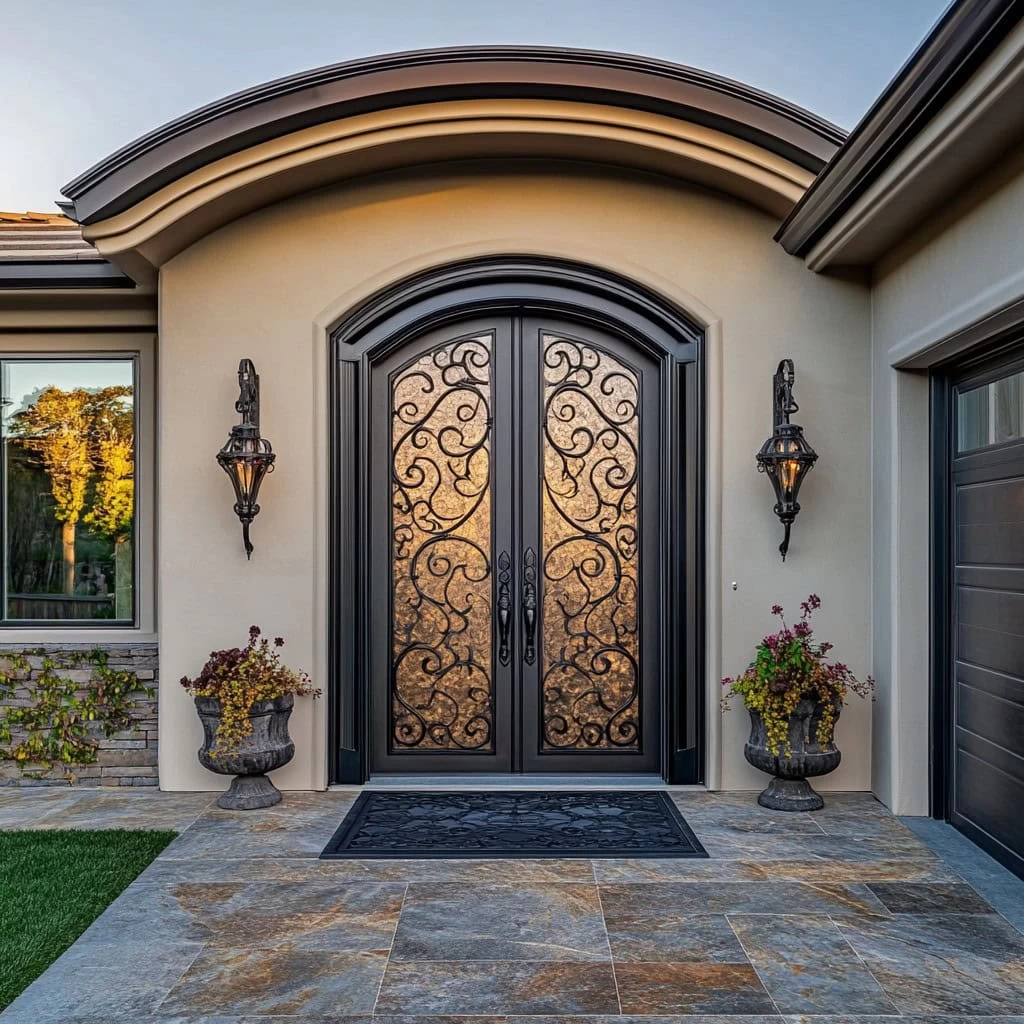
The security advantage comes down to physics and force distribution. A standard deadbolt concentrates all resistance at one point—usually about waist-height on your door. That single point of contact creates a leverage opportunity. An intruder can kick near the lock, pry the top or bottom of the door, or use a crowbar to flex the door away from the frame.
Multi-point locks eliminate these attack vectors by securing your door at the top, middle, and bottom simultaneously. To breach a properly installed multi-point system, an intruder would need to defeat three separate high-strength locking mechanisms at the same time. That’s not just harder—it’s exponentially more difficult and time-consuming.
The numbers back this up. Studies show that multi-point locking systems provide three times the protection from break-ins compared to regular deadbolts. The UK Police Crime Prevention initiative specifically recommends these systems as standard for external doors, noting they significantly improve resistance to physical attack. Insurance companies recognize this too—many offer reduced premiums for homes with certified multi-point systems.
Here’s what matters for your Essex County home: 34% of burglars enter through the front door. It’s the most common point of entry in home break-ins. Your door is either a serious barrier or an easy target. Single-point locks make it easy. Multi-point systems make it exponentially harder.
The mechanical advantage is real. When force is applied to a door with a multi-point lock, that pressure distributes across three bolts spaced along the full height. The door can’t flex or twist the way it can with a single lock. The frame engagement at multiple points creates a rigid system that resists prying, kicking, and leveraging. Breaking through requires specialized cutting tools and creates obvious, time-consuming damage—exactly what burglars avoid.
Security isn’t the only benefit. Multi-point locking systems actually pull your door into perfect alignment with the frame every time you lock it. Those three locking points create compression that forms an airtight seal along the entire door edge. That seal does two important things: it stops air infiltration and it prevents door warping.
Even the best single-point locks leave the top and bottom of your door loose. Small gaps form where the door doesn’t quite meet the frame. In New Jersey’s climate—humid summers, freezing winters—those gaps let conditioned air escape and outside air infiltrate. You’re literally heating and cooling the outdoors. Multi-point systems eliminate those gaps by engaging the door at the top, middle, and bottom, creating a tight seal that improves insulation against weather, noise, and drafts.
The energy savings are measurable. A properly sealed door with a multi-point lock reduces air leakage, which means your HVAC system doesn’t work as hard. Lower energy consumption translates to lower utility bills. The improvement might seem small on a monthly basis, but it compounds over years of ownership.
Door longevity improves for a different reason: stress distribution. Traditional locks put all the door’s weight and operational stress on the hinges and that single center lock point. Over time, this causes sagging, warping, and misalignment. You’ve seen it—doors that stick, don’t close smoothly, or have visible gaps.
Multi-point systems spread the load across three mechanisms. The weight distributes evenly. The hinges experience less stress. The door stays aligned within the frame even after years of daily use. This even pressure and additional support help prevent the door from sagging or warping over time, genuinely extending its lifespan. For tall doors—anything over eight feet—this becomes essential rather than optional.
You also avoid the maintenance headaches that come with warped or misaligned doors. No adjusting hinges every year. No planing down swollen edges. No gaps that let in drafts, water, or insects. The door functions as intended, year after year, because the locking system maintains proper alignment from day one.
Want live answers?
Connect with a Iron Door Kings expert for fast, friendly support.
Three point lock systems represent the standard configuration for exterior door multi-point locking. You get three deadbolts positioned at the top, middle, and bottom of your door, all controlled by a single key turn or handle lift. This is the sweet spot between security, cost, and practicality for most residential applications.
The installation integrates directly into your door during manufacturing or professional retrofit. The lock mechanism sits in a pocket along the door edge, with steel rods extending vertically to connect the three locking points. When you operate the lock, all three bolts engage simultaneously—no multiple keys, no extra steps, just one action that secures your entire door.
For exterior doors specifically, this matters because you’re dealing with weather exposure, security threats, and daily use. A 3 point lock addresses all three concerns. It creates a weathertight seal that keeps out rain, wind, and drafts. It provides serious forced-entry resistance that deters break-in attempts. And it maintains door alignment through thousands of open-close cycles.

French doors present unique security challenges that make multi-point locking systems particularly valuable. You’re dealing with double doors, often with extensive glass panels, and a center meeting point that creates a natural weak spot. Standard locks on French doors only secure the active door, leaving the inactive door held by simple flush bolts that are easy to defeat.
Multi-point systems for French doors solve this by securing both doors with multiple engagement points. The active door gets a full three-point lock—top, middle, and bottom. The inactive door uses an astragal with integrated locking points that engage automatically when the active door closes. This creates a unified locking system where both doors anchor into the frame at multiple locations.
The mechanism typically includes a centrally located deadbolt and live bolt (latch), plus at least two hook bolts and possibly compression bolts. Most systems operate by lifting the door handle from either side, then turning the key or interior thumb turn to fully engage all locking points. Some designs include additional bolting into the top and bottom frames for added stability and security.
For homeowners in Essex County, NJ with French doors leading to patios or backyards, this upgrade transforms a vulnerable entry point into a secure barrier. The multiple locking points prevent the doors from being pried apart at the center meeting point—the most common attack method for French doors. The compression created by the locking system also improves the weather seal, reducing air infiltration around the door perimeter.
Glass panels in French doors create an additional security consideration. While the glass itself can be broken, a proper multi-point lock makes it much harder for an intruder to actually open the door even after breaking glass. They’d need to defeat multiple locking points, which requires time, tools, and creates noise—all deterrents that make your home a harder target.
Installation requires precision because French doors must remain operable while providing maximum security. Professional installation ensures proper alignment, smooth operation, and full engagement of all locking points. The system should feel effortless to use while providing serious security—if you’re fighting with the lock or the door doesn’t close smoothly, something isn’t installed correctly.
Installing a multi-point locking system isn’t a weekend DIY project. The mechanism requires precise routing along the door edge, accurate placement of strike plates in the frame, and perfect alignment between the door and frame for smooth operation. Professional installation ensures all three locking points engage properly without binding or requiring excessive force.
The door itself needs to accommodate the lock mechanism. Most multi-point systems require a channel routed along the door edge to house the connecting rods and locking points. The door must be thick enough and structurally sound enough to support the mechanism. Custom iron doors work particularly well because they’re built to handle the weight and stress of advanced locking systems.
Frame preparation is equally important. Each locking point needs a corresponding strike plate or receiver in the door frame. These must align perfectly with the bolts when the door closes. Misalignment of even a few millimeters can prevent the lock from engaging or cause binding that makes the door difficult to operate. The frame must also be structurally reinforced to resist the force an intruder might apply to the locking points.
For exterior doors in New Jersey, weather resistance becomes a factor. The locking mechanism needs protection from moisture, temperature extremes, and the corrosive effects of road salt in winter. Quality multi-point locks include weatherproofing and corrosion-resistant materials. The installation should include proper weatherstripping that works with the locking system to create a complete seal.
Compatibility with your existing hardware matters too. Not all door handles work with multi-point locks. You typically need a lever-style handle designed specifically for multi-point operation, with the cylinder positioned above the handle for proper geometry. The handle must be rated for the lift-and-turn or turn-only operation that engages the locking points.
For homes with custom iron doors, the integration of multi-point locking systems showcases the advantage of working with experienced fabricators. We design and build doors specifically to accommodate advanced locking mechanisms, ensuring perfect fit, smooth operation, and maximum security. The door, frame, and lock work as an integrated system rather than retrofitted components fighting each other.
The installation process includes surveying your entryway to confirm structural soundness, securely fixing the heavy-duty frame with appropriate anchors and shims for perfect alignment, carefully managing the door’s weight while hanging it on robust hinges, and testing all locking points for smooth engagement and proper security. This level of precision explains why professional installation matters—and why factory-installed systems often perform better than field retrofits.
Multi-point locking systems deliver measurable security improvements over standard single-point locks. You get triple the protection from three simultaneous locking points, better energy efficiency from improved sealing, and extended door life from reduced warping and stress. For exterior doors and French doors especially, these systems address the specific vulnerabilities that make traditional locks inadequate.
The investment makes sense when you consider the full picture. Better security protects your family and property. Improved energy efficiency reduces utility costs. Extended door lifespan eliminates premature replacement expenses. Many insurance providers even offer premium discounts for homes with certified multi-point systems.
For homeowners in Essex County, NJ looking to upgrade their home security with doors that combine beauty and serious protection, we bring the expertise to integrate advanced multi-point locking systems into custom iron doors. Our superior craftsmanship, professional installation, and in-house design teams ensure your door provides both the aesthetic impact and the security performance you’re investing in.
Article details:
Share:
Continue learning: