Energy efficient exterior doors range from $800-$4,000+ depending on materials and features. Learn what drives costs and how to maximize your investment with federal tax credits.
Share:
Summary:
Your front door does more than welcome guests. In Essex County, NJ, where winter temps drop below zero and summer heat pushes past 100 degrees, that door is either protecting your wallet or draining it. Energy efficient exterior doors cost more upfront than basic options, but here’s what most homeowners miss: the real cost isn’t what you pay at installation. It’s what you pay every month in wasted heating and cooling. This guide walks you through 2026 pricing, what drives those numbers, and how to choose doors that actually perform in New Jersey’s climate without overpaying for features you don’t need.
Energy efficient exterior doors cost anywhere from $800 to $4,000 for most residential installations. That’s a wide range because you’re not just buying a door. You’re buying specific thermal performance, materials engineered for your climate, and installation quality that determines whether those features actually work.
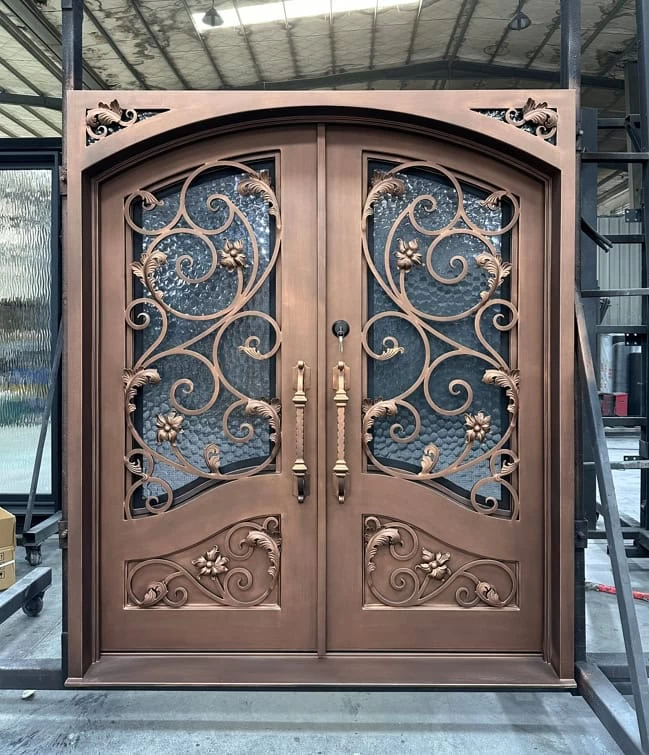
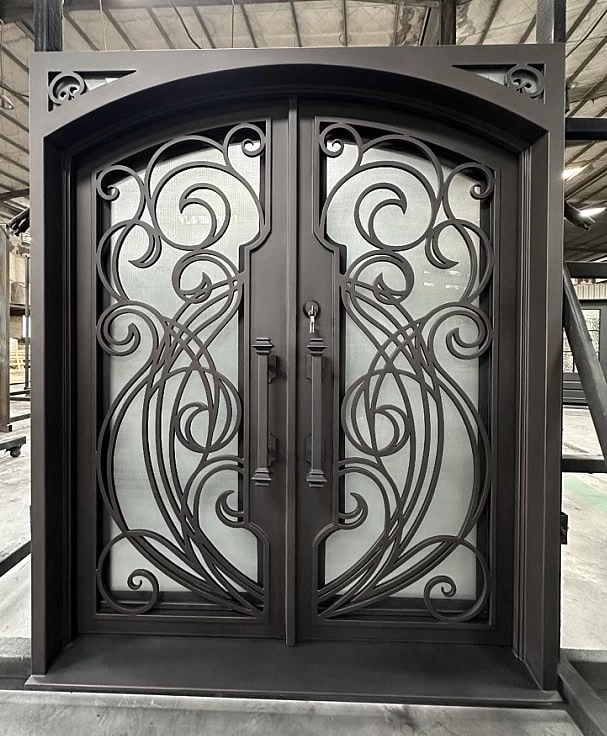
Basic energy-efficient steel doors with polyurethane foam cores start around $800 to $1,200. These meet ENERGY STAR requirements and work fine for straightforward replacements. Fiberglass options with better insulation run $1,500 to $2,500. Premium iron doors with thermal break technology and custom features can reach $3,000 to $4,000 or higher, but they’re built for decades of performance in harsh climates like what we see throughout Essex County, NJ.
The number on the estimate matters less than what it includes. A $1,000 door installed poorly performs worse than an $800 door installed correctly. Installation adds $300 to $600 for standard replacements, or up to $1,400 to $3,500 if you’re cutting into an existing wall.
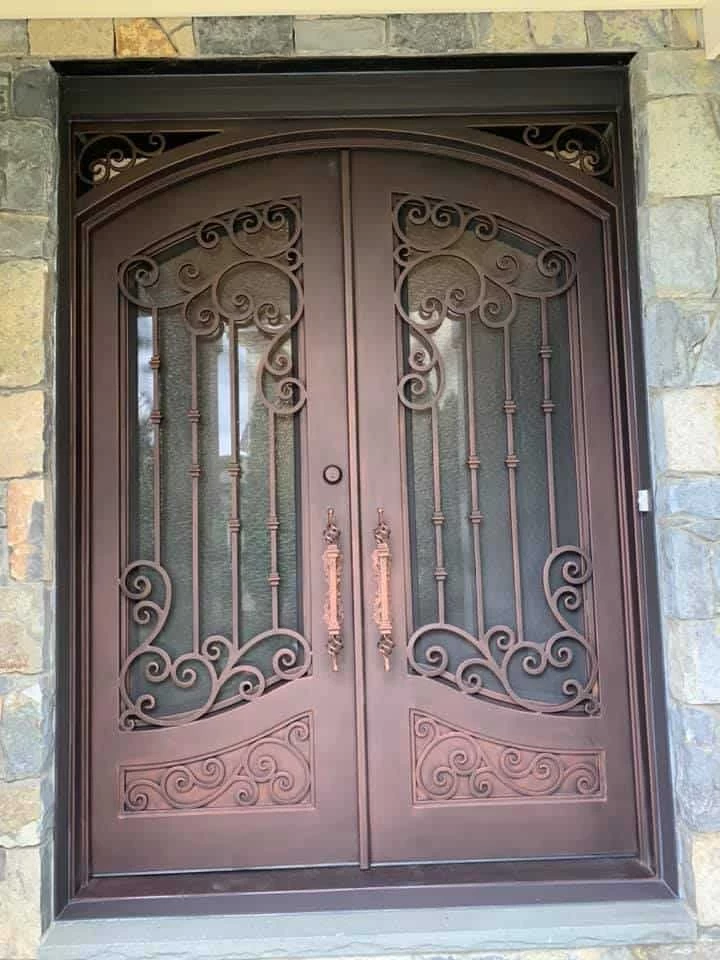
Material choice drives about 60% of your total cost, and each option performs differently in New Jersey’s temperature swings.
Steel doors with insulated cores cost $400 to $1,200 depending on thickness and thermal features. The metal conducts heat unless it includes a thermal break—a non-conductive barrier between interior and exterior surfaces. Without that break, you’re just buying a heavy door that looks energy efficient. Steel works well here because it handles moisture from coastal humidity and doesn’t warp like wood.
Fiberglass doors run $600 to $2,500 and offer the best thermal performance per dollar. The material doesn’t conduct heat the way metal does, and quality fiberglass with polyurethane foam cores can hit R-values of 6 or higher. That’s more than five times the insulating value of solid wood. Fiberglass also resists the expansion and contraction that happens when temperatures swing 100+ degrees between January and July.
Iron doors range from $1,000 to $4,000+ depending on design complexity and energy features. Modern iron doors aren’t the heat conductors they used to be. Properly built iron doors now include polyurethane foam cores and thermal break technology that stops heat transfer through the frame. The density of iron combined with modern insulation creates a barrier that holds temperature better than most people expect. Iron also provides security and durability that lighter materials can’t match, which matters when you’re looking at a 30-year investment.
Wood doors cost $800 to $3,000 but aren’t ideal for energy efficiency in this climate. Wood has natural insulation properties with R-values around R-3 to R-4, but it absorbs moisture, expands in humidity, and contracts in cold. That movement creates gaps around weatherstripping over time. If you want the wood look, fiberglass with wood-grain finish performs better.
Aluminum doors with thermal breaks run $1,000 to $4,000. Aluminum alone is a terrible insulator, but when manufacturers add thermal breaks and pair it with insulated glass, performance improves significantly. These work best for large glass door systems where the frame is minimal.
The door price is just the starting point. Installation complexity, structural work, and required upgrades add costs most estimates don’t mention upfront.
Structural modifications run $200 to $1,000+ if your existing frame isn’t square or if you’re changing door size. Older homes in Montclair and Maplewood often have settled frames that need adjustment before a new door fits properly. Skipping this step means gaps that destroy energy efficiency no matter how good the door is.
Weatherstripping replacement costs $50 to $150 but makes a measurable difference. Even new doors need proper weatherstripping installed correctly. The magnetic strips or foam seals around the frame create the airtight barrier that keeps conditioned air inside. Cheap weatherstripping fails within a year. Quality materials last 5 to 10 years.
Glass upgrades add $200 to $800 depending on size and type. If your door includes glass panels or sidelights, standard glass loses heat rapidly. Double-pane Low-E glass with argon gas fill reduces that loss significantly. Triple-pane glass costs more but makes sense if the door faces north or gets heavy weather exposure.
Threshold and sill work runs $100 to $300. The bottom of your door frame needs proper sealing and slope to shed water. In New Jersey’s freeze-thaw cycles, water that pools at the threshold seeps in, freezes, and damages the frame. A properly installed threshold with weatherstripping at the bottom prevents this.
Permits cost $50 to $200 depending on your municipality. Essex County, NJ towns have different requirements, but most require permits for door replacements that modify the opening size or change structural elements. Budget for this even if your contractor says it’s optional. Unpermitted work creates problems when you sell.
Old door removal and disposal adds $100 to $250. Contractors charge separately for hauling away your old door, especially if it’s iron or includes glass. Some include this in installation costs, others don’t. Ask before you sign.
Paint or finish work runs $150 to $500 if you’re matching new trim to existing exterior finishes. A new door often means new trim around the frame, and that trim needs to match your siding or brick. Factor this in for a complete project cost.
Want live answers?
Connect with a Iron Door Kings expert for fast, friendly support.
The upfront energy efficient exterior doors cost matters less than what you pay over the next 15 years. A quality energy-efficient door reduces your monthly utility bills, qualifies for tax credits, and increases your home’s value when you sell.
Energy-efficient doors cut heating and cooling costs by $15 to $35 per month during peak seasons. That’s $150 to $400 annually depending on your home’s size, insulation, and how hard your HVAC system works. Over a 15-year period, you’re looking at $2,250 to $6,000 in savings. A $2,000 door pays for itself in 5 to 8 years just through energy savings.
Federal tax credits reduce your initial investment by up to $250 per door, with a maximum of $500 total for multiple doors. The Energy Efficient Home Improvement Credit lets you claim 30% of qualifying door costs. Your door needs ENERGY STAR certification to qualify, which means checking the NFRC label for your climate zone. Not all doors meet the requirements, so verify before you buy.
Home value increases by more than the door cost in most cases. Energy-conscious buyers pay attention to efficient upgrades, and quality entry doors have strong ROI. You’re not just recovering the door cost—you’re adding value through improved curb appeal, better security, and documented energy performance.
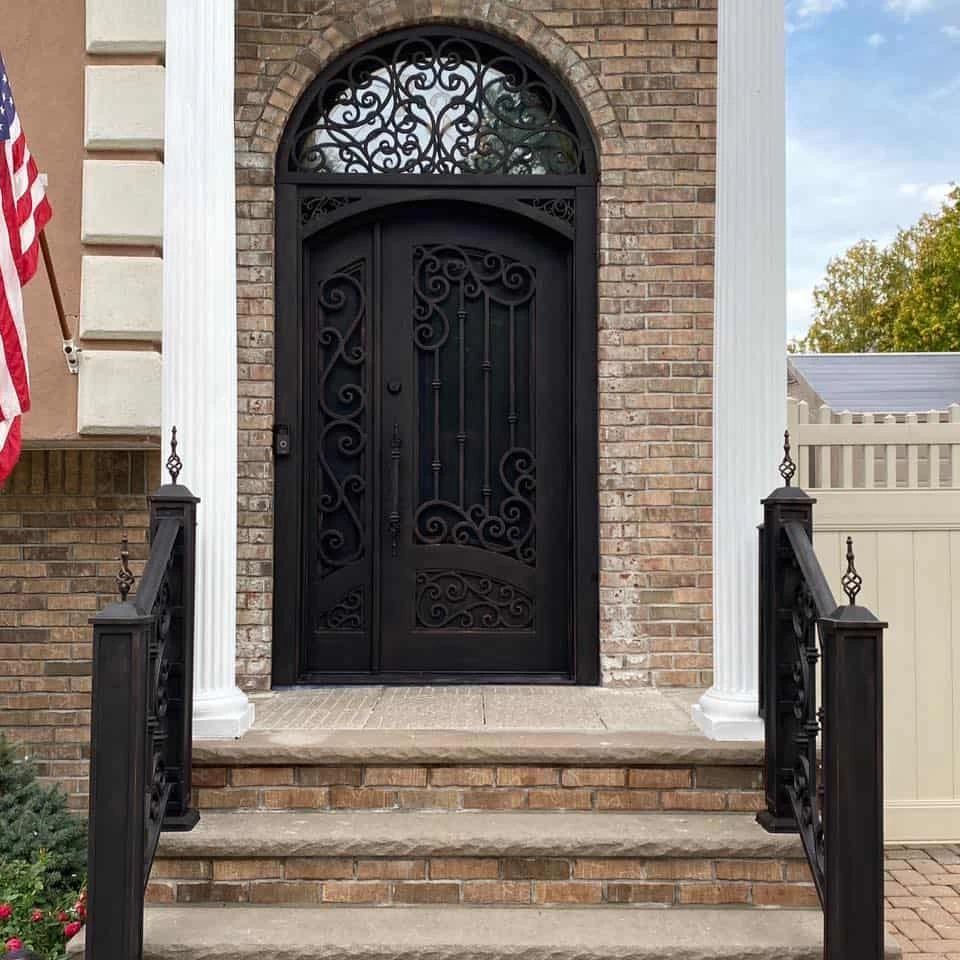
Energy efficient sliding glass doors cost $800 to $5,000 depending on size, glass type, and frame material. These doors present different challenges than entry doors because glass makes up most of the surface area.
Standard double-pane sliding doors run $800 to $2,100. These include basic insulated glass with air space between panes. Performance is acceptable for moderate climates but marginal for New Jersey winters. You’ll feel cold near the door on January nights even with double-pane glass unless it includes Low-E coating.
Low-E coated sliding doors cost $1,500 to $3,500 and perform significantly better. The Low-E coating reflects infrared heat back into your home during winter and blocks solar heat during summer. This selective filtering reduces energy loss without blocking natural light. For New Jersey’s climate zone, you want Low-E2 coating that works year-round, or Low-E1 if the door faces north and you want maximum winter heat gain.
Triple-pane sliding doors run $2,000 to $6,000 but provide maximum insulation and sound reduction. The third pane of glass with two gas-filled spaces between panes creates a thermal barrier that performs 80% better than single-pane doors. These make sense if the door faces harsh weather exposure or if you’re building to high-performance standards.
Frame material affects cost and performance as much as glass does. Vinyl frames cost $300 to $1,200 and resist temperature changes well, making them energy-efficient and low-maintenance. Aluminum frames run $750 to $2,500 but require thermal breaks to prevent heat conduction. Fiberglass frames cost $1,500 to $2,500 and offer the best thermal performance with minimal maintenance.
Installation complexity adds $300 to $800 for standard replacements, or $1,100 to $2,600 if you’re retrofitting an existing opening. Sliding doors need precise leveling and weatherstripping around all four sides. The track at the bottom needs proper slope for drainage and smooth operation. Poor installation creates air leaks that destroy any energy savings the door might provide.
Weatherstripping quality determines real-world performance. Sliding doors use fin-seal or brush-fin weatherstripping that maintains contact as the door slides. Cheap weatherstripping compresses and fails within a year. Quality materials maintain their seal for 5 to 10 years, which directly affects your energy bills.
New Jersey sits in Climate Zone 5, which means your door faces freezing winters below 20 degrees and humid summers past 90 degrees. Not all energy-efficient doors handle these extremes equally well.
ENERGY STAR requirements for this climate zone specify a U-factor of 0.30 or lower. U-factor measures heat transfer—lower numbers mean better insulation. Most quality doors hit 0.25 to 0.30, but premium options reach 0.09 with advanced construction. That difference matters when outdoor temps drop to single digits.
R-value tells you thermal resistance. Steel and fiberglass doors with foam cores achieve R-5 to R-6, which is five times better than solid wood. Premium fiberglass doors with engineered channels and thick polyurethane cores can hit R-20 or higher. Iron doors with proper thermal breaks and insulated cores perform in the R-6 to R-20 range depending on construction quality.
Thermal break technology is non-negotiable for metal doors in this climate. A thermal break is a non-conductive barrier—usually polyamide or resin—between the interior and exterior metal surfaces. Without it, the metal conducts heat directly through the door no matter how much foam insulation you add. With it, heat transfer drops by 70% to 80%.
Low-E glass matters more than most people realize. If your door includes glass panels or sidelights, standard glass loses heat rapidly. Low-E coating reflects infrared heat while allowing visible light through. For north-facing doors, Low-E1 coating allows solar heat gain that helps in winter. For south and west-facing doors, Low-E3 coating blocks summer heat. Low-E2 works year-round for moderate exposures.
Weatherstripping quality affects performance as much as the door itself. Magnetic weatherstripping creates an airtight seal similar to a refrigerator door. Foam or rubber compression seals work if they’re thick enough and properly installed. The bottom sweep needs to seal against the threshold without dragging. Gaps as small as 1/8 inch around a door frame can waste 20% of your heating and cooling energy.
Professional installation determines whether your door performs as rated. Even the best door fails if the frame isn’t square, the weatherstripping isn’t installed correctly, or gaps exist between the frame and wall. Expanding foam insulation needs to fill those gaps completely. The threshold needs proper slope for drainage. The door needs to close with even pressure all around the weatherstripping. These details separate doors that perform from doors that disappoint.
Energy efficient exterior doors cost more upfront, but the numbers work when you account for energy savings, tax credits, and increased home value. You’re looking at $800 to $4,000 for quality options that perform in New Jersey’s climate, with installation adding another $300 to $3,500 depending on complexity.
The best value comes from matching door performance to your specific needs. If you’re replacing a basic entry door with moderate exposure, a quality steel or fiberglass door with proper thermal breaks and weatherstripping delivers strong performance without premium pricing. If you want durability, security, and custom design along with energy efficiency, iron doors with modern insulation technology provide all of that in one package.
What matters most is choosing doors that meet ENERGY STAR requirements for Climate Zone 5, include proper thermal breaks if they’re metal, use Low-E glass if they include glass panels, and get installed by professionals who understand how weatherstripping and sealing affect real-world performance. When you’re ready to move forward with doors that actually perform in Essex County, NJ’s climate extremes, we combine energy-efficient construction with the craftsmanship and custom options that make your entrance both functional and distinctive.
Article details:
Share:
Continue learning: