Door warranties protect your investment, but only if you understand the terms. Learn what voids coverage and how to maintain warranty protection in New Jersey's challenging climate.
Share:
Summary:
You just invested thousands in a beautiful iron door. The warranty paperwork sits in a drawer somewhere, and you assume you’re covered if anything goes wrong. Then three years later, rust appears near the bottom panel. You file a claim, confident the warranty will handle it. The response? Denied. Turns out that overhang you thought was fine doesn’t meet the minimum coverage requirement buried in paragraph twelve.
This happens more often than it should. Door warranties protect significant investments, but only when you actually understand what they cover, what they exclude, and what actions void them completely. For New Jersey homeowners dealing with harsh winters, humid summers, and everything in between, knowing your warranty terms isn’t optional—it’s essential. Let’s break down exactly what you need to know about door warranty coverage, starting with the basics that actually matter.
Door warranties aren’t all created equal. Some cover defects in materials and workmanship for a year. Others extend protection for a decade or more, but with conditions attached. The difference between good coverage and a worthless piece of paper comes down to understanding what’s actually included.
Most iron door warranties fall into two categories: manufacturer warranties and installation warranties. The manufacturer warranty covers defects in the door itself—problems with welds, paint failures due to poor workmanship, or structural issues that appear under normal use. Installation warranties cover the work performed to hang and secure your door. Both matter, and both have limitations you need to know about.
The warranty period varies widely. Paint warranties typically run two to three years. Structural warranties on welds might extend five to ten years. Some premium manufacturers offer limited lifetime coverage on specific components, but that doesn’t mean everything is covered forever. Read the fine print to understand exactly which parts get which level of protection and for how long.
Here’s something most homeowners don’t realize until it’s too late: your manufacturer warranty often requires professional installation to remain valid. Install the door yourself or hire an unlicensed contractor, and you might void coverage before the door even hangs in the frame.
Professional installation warranties typically cover workmanship for one to five years depending on the company. This protects you if the door doesn’t operate smoothly, if weatherstripping fails due to improper installation, or if alignment issues cause premature wear. The installation warranty doesn’t cover the door itself—that’s the manufacturer’s responsibility—but it does protect against problems caused by how the door was installed.
The catch is documentation. Manufacturers want proof that installation followed their specifications. This means keeping records of who installed the door, when the work was completed, and confirmation that the installer used approved methods and materials. Without this documentation, filing a warranty claim becomes significantly harder.
Installation quality directly affects how long your door lasts and whether warranty coverage remains intact. Improper installation can cause issues that look like manufacturing defects but aren’t covered because the root cause was installation error. A door that’s not plumb will wear unevenly. Incorrect weatherstripping allows moisture intrusion. Poor frame preparation leads to operational problems. All of these issues might seem like product failures, but if they stem from installation mistakes, the manufacturer warranty won’t cover them.
This is why choosing a qualified installer matters as much as choosing a quality door. You’re not just paying for labor—you’re protecting your warranty coverage and ensuring the door performs as designed. A professional installer knows the manufacturer’s specifications, has the tools to ensure proper alignment and sealing, and provides documentation that keeps your warranty valid.
In New Jersey, where temperature swings and moisture are constant challenges, proper installation becomes even more critical. Doors need adequate clearance for expansion and contraction. Weatherstripping must seal tightly against humid summers and freezing winters. Drainage must be addressed to prevent water pooling at the threshold. An experienced installer accounts for these regional factors, while a DIY approach or unlicensed contractor might miss details that void your warranty down the line.
The fastest way to void a door warranty is to do something the manufacturer explicitly prohibits. The problem? Many homeowners don’t know what those prohibitions are until after they’ve already violated them.
Unauthorized modifications top the list. Cutting into the door to add a mail slot, drilling holes for decorative hardware not approved by the manufacturer, welding additional elements, or replacing glass without authorization—all of these can immediately void your entire warranty. The manufacturer’s position is simple: once you alter their product, they can no longer guarantee its performance.
Improper maintenance is another common warranty killer. Most warranties require regular cleaning and upkeep according to the manufacturer’s guidelines. For iron doors, this typically means cleaning with mild soap and water, avoiding harsh chemicals or abrasive materials, and addressing minor issues promptly before they become major problems. Neglect the door, let dirt and debris accumulate, or use cleaning products that damage the finish, and you give the manufacturer grounds to deny future claims.
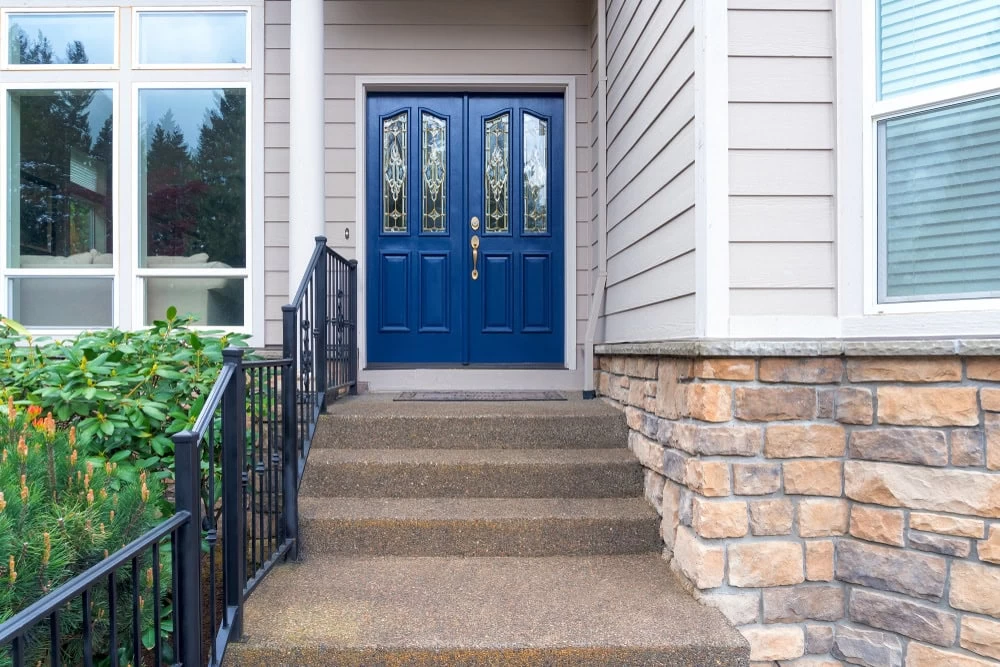
Environmental exposure beyond the warranty terms voids coverage in ways many homeowners don’t anticipate. Some manufacturers require a minimum overhang to protect the door from direct weather exposure. The standard is often half the door’s height—so an eight-foot door needs at least a four-foot overhang. Install your door in an exposed location without adequate protection, and rust or finish degradation won’t be covered even if the warranty is still active.
Water exposure is particularly tricky. While iron doors are designed to withstand rain, directly hosing down the door or allowing standing water at the threshold can void warranty coverage for rust and corrosion. The manufacturer’s argument is that their product is weather-resistant, not waterproof, and excessive direct water exposure constitutes misuse.
New Jersey’s climate creates additional warranty considerations. Freeze-thaw cycles, high humidity, and proximity to salt air in coastal areas all stress door components. Some warranties specifically exclude damage from salt water environments or reduce coverage periods for installations within a certain distance of the coast. In Essex County, NJ, understanding these climate-specific exclusions protects you from surprise claim denials.
Failure to register your product is an often-overlooked warranty killer. Many manufacturers require registration within a specific timeframe after purchase or installation. Miss that window, and your warranty might be limited or void entirely. Keep your purchase receipt, installation documentation, and warranty registration confirmation in a safe place. You’ll need them if you ever file a claim.
Want live answers?
Connect with a Iron Door Kings expert for fast, friendly support.
New Jersey weather doesn’t play nice with exterior doors. We get everything—humid summers that promote rust, freezing winters that stress seals, heavy rainfall that tests weatherproofing, and temperature swings that cause expansion and contraction. All of this impacts how your door performs and what your warranty actually covers.
Most door warranties include language about “normal use” and “typical environmental conditions.” The question is whether New Jersey’s climate qualifies as typical. In many cases, manufacturers recognize that certain climates are harder on doors and adjust coverage accordingly. Understanding how weather affects warranty terms helps you know what protection you actually have.
The key is recognizing which climate-related issues are covered and which aren’t. Manufacturing defects that appear regardless of climate should be covered. Finish that peels due to poor workmanship should be covered. But damage that results from environmental exposure beyond the door’s design specifications might not be.
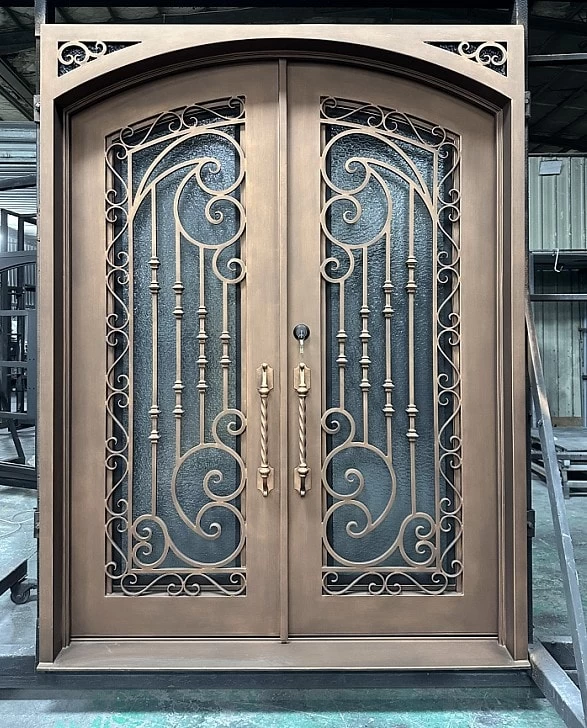
Temperature extremes cause iron to expand and contract. In New Jersey, we see summer temperatures in the 90s and winter cold well below freezing. This constant movement stresses welds, hardware, and finish. While quality iron doors are engineered to handle this, the warranty might not cover damage if the door wasn’t installed with proper clearances to accommodate thermal expansion.
Humidity is another warranty factor. New Jersey’s humid summers can reach 70% or higher. Iron doors need proper finishing to resist moisture-related corrosion. Most manufacturers apply powder coating or other protective finishes designed to withstand humidity. But if moisture penetrates due to finish damage that wasn’t addressed promptly, or if the door is installed in a location with excessive moisture exposure, warranty coverage for rust might be denied.
Condensation is a related issue that catches homeowners off guard. Iron doors exposed to cold temperatures on one side and warm humid air on the other can develop condensation on interior surfaces. This is a physics problem, not a manufacturing defect, and most warranties explicitly state that condensation is not covered. In New Jersey winters, this means you might see moisture on the inside of your door during very cold periods. This is normal and doesn’t indicate a problem with the door itself.
Freeze-thaw cycles stress every exterior component. Water that seeps into small gaps or cracks expands when it freezes, causing damage. Quality installation prevents this by ensuring proper sealing and drainage. But if installation was done incorrectly and freeze-thaw damage occurs, the manufacturer warranty won’t cover it because the root cause was installation error, not product defect.
Heavy rainfall tests door weatherproofing. New Jersey averages 40 to 51 inches of precipitation annually, making us one of the wetter states. Doors need proper threshold design, effective weatherstripping, and adequate overhang protection to keep water out. Warranties typically cover defects in these components but not damage caused by inadequate installation or insufficient weather protection at the installation site.
Coastal proximity adds another layer of complexity. Salt air accelerates corrosion on metal surfaces. Some manufacturers specifically exclude installations within a certain distance of salt water from full warranty coverage, or they reduce the coverage period for coastal installations. If you’re in Essex County, NJ near the water, check whether your warranty includes these limitations before installation.
The good news is that protecting your warranty in New Jersey’s challenging climate isn’t complicated. It requires attention to a few key factors that make the difference between coverage that lasts and coverage that gets voided.
Start with proper installation. Your door needs adequate overhang protection from direct weather exposure. The standard is typically half the door’s height as minimum coverage. This protects the door from direct rain, reduces UV exposure that can degrade finishes, and minimizes temperature extremes that stress components. If your entryway doesn’t have sufficient overhang, address this before installation or choose a different location for your iron door.
Ensure proper drainage at the threshold. Water should never pool around your door. The grade should slope away from the entrance, and the threshold should be designed to shed water effectively. Standing water is one of the fastest ways to void warranty coverage for rust and corrosion because it constitutes excessive moisture exposure beyond normal environmental conditions.
Maintain the door according to manufacturer guidelines. This typically means cleaning with mild soap and water several times per year, inspecting weatherstripping and seals regularly, addressing any finish damage promptly with approved touch-up materials, and lubricating hinges and hardware as recommended. These simple maintenance tasks keep your door in good condition and preserve warranty coverage.
Document everything. Keep records of cleaning and maintenance, save receipts for any approved touch-up materials or replacement parts, photograph the door’s condition periodically, and maintain all installation and warranty documentation in a safe place. If you ever need to file a warranty claim, this documentation proves you’ve maintained the door properly and helps support your claim.
Address issues promptly. If you notice finish damage, rust spots, operational problems, or any other concerns, don’t wait. Contact the manufacturer or your installer immediately. Many warranty claims are denied because issues weren’t reported within the required timeframe. Early reporting also prevents small problems from becoming major failures that might not be covered.
Understand your specific warranty terms. Every manufacturer has different requirements and exclusions. Read your warranty documentation carefully. Note the coverage periods for different components, understand what actions void coverage, know the claim process and required documentation, and be aware of any climate-specific limitations that apply to your location.
In New Jersey’s climate, being proactive about door protection and maintenance isn’t just good practice—it’s essential for keeping your warranty valid. The investment in proper installation, adequate weather protection, and regular maintenance pays off by ensuring your warranty coverage remains intact when you need it.
Understanding door warranty coverage comes down to knowing three things: what’s covered, what voids coverage, and what you need to do to maintain protection. For New Jersey homeowners, climate factors add another layer of complexity, but the fundamentals remain the same.
Professional installation protects your investment by ensuring the door is properly hung, sealed, and weatherproofed according to manufacturer specifications. Regular maintenance according to the manufacturer’s guidelines keeps the door in good condition and preserves warranty coverage. Documentation of installation, maintenance, and any issues that arise supports warranty claims if problems develop.
The difference between a warranty that protects you and one that doesn’t often comes down to details—adequate overhang, proper drainage, timely maintenance, and following manufacturer requirements. These aren’t complicated requirements, but they are specific, and meeting them ensures your warranty remains valid throughout its coverage period.
If you’re considering an iron door for your Essex County, NJ home, or if you already own one and want to ensure your warranty protection remains intact, we provide the expertise, quality materials, and professional installation that keep coverage valid and doors performing as designed for decades.
Article details:
Share:
Continue learning: