Multi-point locking systems secure doors at three or more points along the frame, dramatically increasing resistance to forced entry compared to single deadbolts.
Share:
Summary:
Your front door gets tested every single day. Wind pushes against it. Temperature swings try to warp it. And somewhere in Essex County, NJ, someone’s testing whether a standard deadbolt will hold up to a well-placed kick.
Most exterior doors rely on one lock point in the center. That’s it. One bolt, one strike plate, and a lot of hope that nobody decides your home looks like an easy target. Multi-point locking systems change that equation completely by securing your door at three, four, or even five points along the frame. You’ll learn exactly how these systems work, why they matter for heavy doors like iron and steel, and what separates professional installation from a security liability.
Security starts with the door itself, not just the lock. The best exterior doors for security combine reinforced materials with advanced locking mechanisms that work together as a complete system.
Steel and iron doors lead the category because they resist physical attacks that would compromise wood or fiberglass. When a burglar tries to force entry, the door material matters just as much as the lock. A multi-point system on a weak door still fails. A strong door with a single deadbolt creates a vulnerability. The combination of reinforced material and multiple locking points creates real resistance.
Essex County homeowners face specific challenges that make door choice critical. Recent break-ins in areas like Caldwell and Newark have shown that organized criminals specifically test door security before attempting entry. The climate adds another layer of complexity—humid summers and freezing winters cause standard doors to warp, which compromises lock alignment and creates gaps that weaken security.
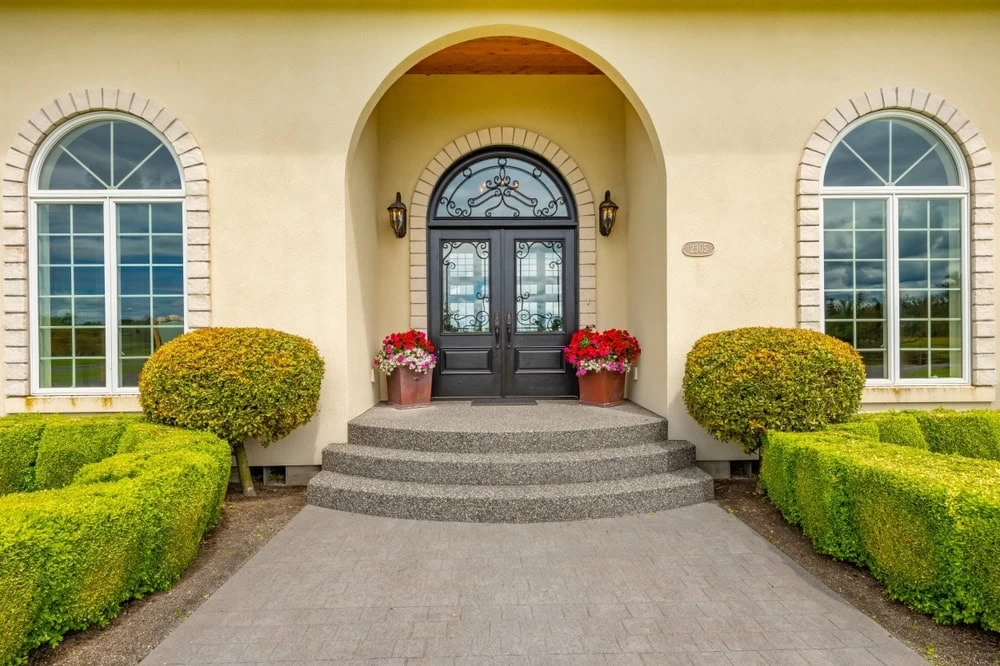
High security residential doors are built differently from standard entry doors. The frame gets reinforced. The hinges are tamper-resistant. The glass, if included, is impact-resistant or laminated to prevent easy breakthrough. And the locking mechanism engages at multiple points simultaneously.
When you turn the key or thumb-turn on a multi-point system, you’re not just throwing a single bolt. You’re activating locking points at the top, middle, and bottom of the door. Some systems include five points. Each one engages with the frame or a reinforced strike plate, distributing force across the entire height of the door rather than concentrating it at one vulnerable spot.
This distribution matters during an attempted break-in. A standard deadbolt concentrates all resistance at the center of the door. Apply enough force to that one point, and the door jamb gives way—often in seconds. With multi-point engagement, that same force gets spread across three or more reinforced areas. The door becomes significantly harder to compromise. Most intruders move on to easier targets rather than spend time fighting a properly secured multi-point system.
The materials used in high security doors also resist drilling, sawing, and prying. Iron doors with proper powder-coating withstand weather exposure without degrading. Steel cores provide structural integrity that wood simply can’t match. For homes in Montclair, South Orange, or Bloomfield where architectural character matters, iron doors offer both the security performance you need and the aesthetic appeal that complements historic or contemporary design.
Installation quality determines whether these security features actually function as designed. Heavy iron and steel doors require precise alignment. If the door isn’t hung correctly, the locking points won’t engage properly. Gaps appear. The weatherstripping doesn’t seal. And the security you paid for becomes theoretical rather than functional.
We account for door weight, frame reinforcement, and the specific requirements of multi-point hardware. We ensure each locking point aligns perfectly with its strike plate. We verify the door operates smoothly through its full range of motion. And we test the system under load to confirm it will perform when it matters most.
Wood doors can accommodate multi-point locking systems, but the installation requires different considerations than steel or iron doors. The traditional 3 point locking system was actually designed to address a specific problem with wooden doors: warping and bowing over time.
Wood expands and contracts with humidity and temperature changes. In New Jersey, that means significant movement between July humidity and January freezes. A properly designed 3-point system for wooden doors compensates for this movement by pulling the door into alignment when locked, creating a tight seal even as the wood shifts with seasonal changes.
The system typically includes a central deadbolt plus two additional locking points—one near the top of the door and one near the bottom. When you turn the key, all three points engage simultaneously. This not only increases security but also helps maintain the door’s shape by distributing pressure evenly along its height. You’re essentially fighting the natural tendency of wood to warp by mechanically pulling it into proper alignment every time you lock the door.
For wooden doors, the frame reinforcement becomes even more critical. Wood jambs are inherently weaker than steel frames. Without proper reinforcement, the strike plates for a multi-point system can pull out of the wood during an attempted forced entry. Professional installation includes reinforcing the frame with steel or installing a security strike box that spreads the load across a larger area of the wall framing.
The quality of the wood matters too. Solid wood doors—at least 1 3/4 inches thick—provide the structural integrity needed to support multi-point hardware. Hollow core or thin panel doors don’t have enough material to properly anchor the system. You’re essentially bolting advanced security hardware to a door that can be compromised through the door itself rather than the lock.
Maintenance requirements differ for wooden doors with multi-point systems. The wood needs to be sealed and maintained to prevent moisture damage. The locking mechanism requires periodic lubrication to ensure smooth operation. And the alignment should be checked annually, especially after significant weather changes, to verify all locking points still engage properly.
For homeowners who want the aesthetic of wood with enhanced security, combining a solid wood door with a professionally installed 3-point locking system offers significant improvement over standard deadbolts. Just understand that wood requires more maintenance than iron or steel, and the door material itself remains more vulnerable to physical attack than metal alternatives.
Want live answers?
Connect with a Iron Door Kings expert for fast, friendly support.
Reinforced doors for homes go beyond just thick materials. True reinforcement means the entire door system—frame, hinges, strike plates, and locking mechanism—works together to resist forced entry.
The frame gets reinforced with steel plates or full steel construction. The hinges use security pins that prevent the door from being removed even if the hinge pins are compromised. The strike plates extend deep into the wall framing rather than just screwing into the door jamb. And the locking system engages at multiple points to distribute force.
Multi-point locking systems are standard on quality reinforced doors because they address the weakest point of traditional doors: the single point of failure. When all your security depends on one deadbolt and one strike plate, you’re betting everything on two small pieces of hardware. Reinforced doors with multi-point systems eliminate that single point of vulnerability.
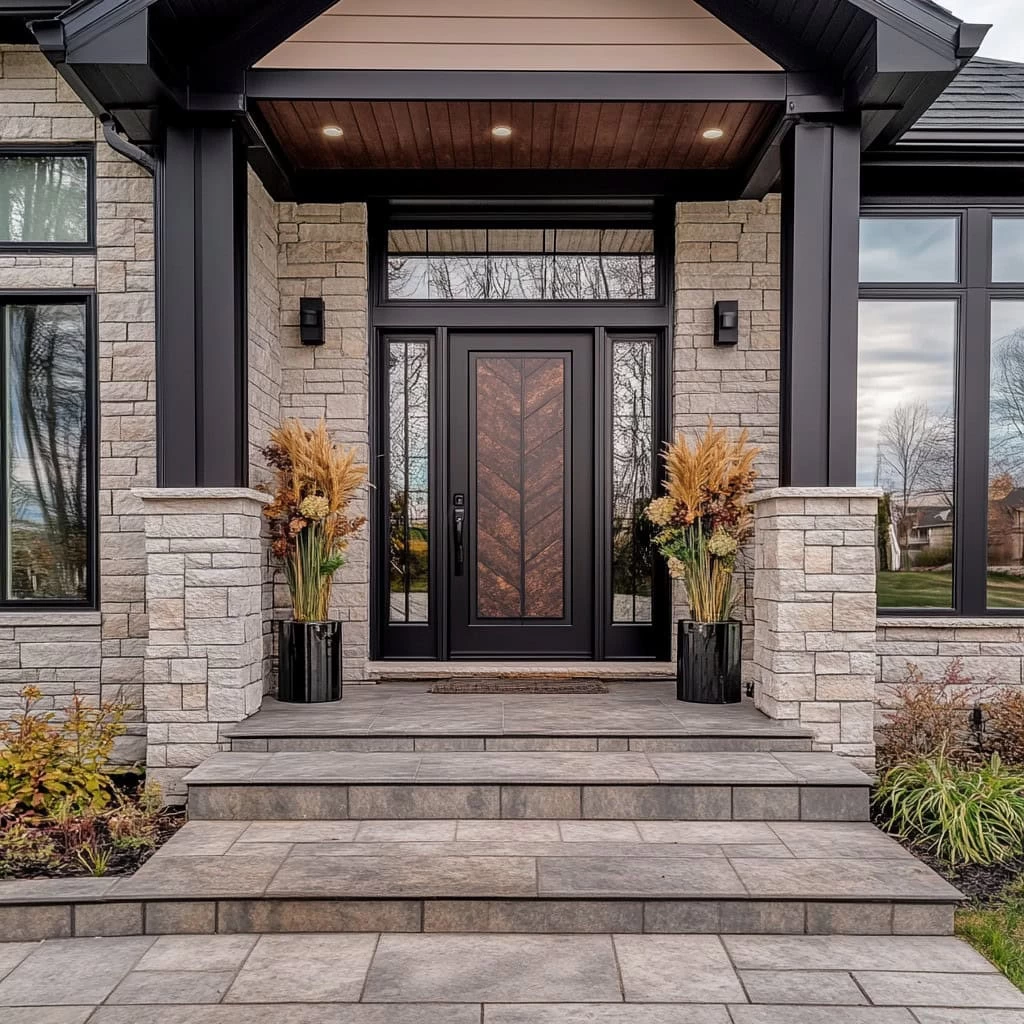
Multi-point locking systems perform differently depending on the door material they’re installed in. Understanding these differences helps you make better decisions about which combination provides the security level you need for your specific situation.
Steel doors with multi-point systems offer the highest security. The door itself resists cutting, drilling, and impact. The steel frame provides solid anchor points for the locking hardware. And the material doesn’t warp with temperature changes, so the alignment stays consistent year-round. The main consideration with steel is ensuring proper weatherstripping and thermal breaks to prevent energy loss and condensation issues.
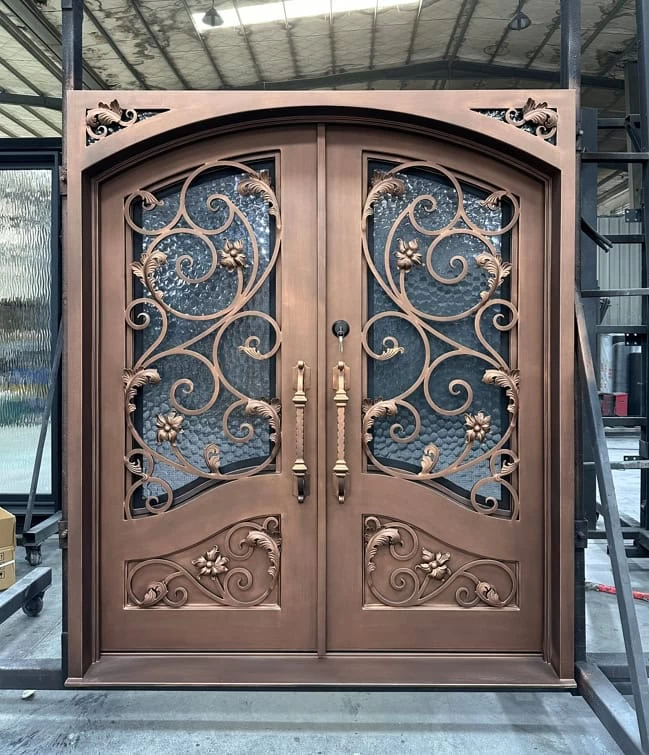
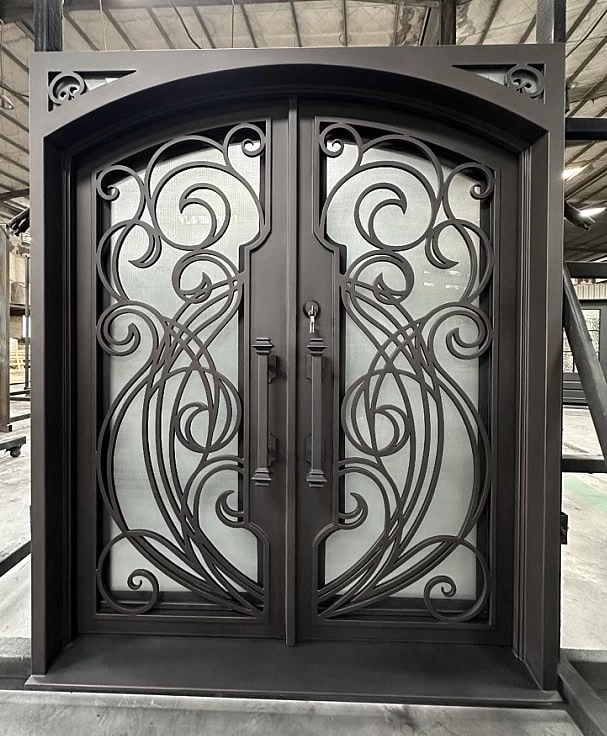
Iron doors combine security with aesthetic appeal that’s hard to match. Wrought iron designs can be elegant while still providing excellent structural strength. When paired with multi-point locking, iron doors create a formidable barrier that also makes a statement about your home’s character. The weight of iron doors requires robust hinges and precise installation to ensure smooth operation and proper alignment of all locking points. For Essex County homes with architectural significance, iron doors offer security without sacrificing the visual appeal that defines the property.
Fiberglass doors are lighter than steel or iron but still provide good security when reinforced properly. They resist warping better than wood and can be manufactured with internal steel reinforcement. Multi-point systems on quality fiberglass doors offer solid security, though not quite at the level of steel or iron. The advantage is lower weight, which reduces stress on frames and hinges, and better insulation properties that can lower energy costs.
Wood doors, as discussed earlier, require the most maintenance but can still provide good security with proper reinforcement and multi-point locking. The aesthetic appeal of real wood is unmatched, but you’re trading some security and requiring more upkeep for that appearance. If you choose wood, make sure it’s solid construction—not veneer over a hollow core—and commit to the maintenance schedule.
For Essex County, NJ homes, climate resistance becomes a significant factor in material choice. The area experiences temperature swings from the 90s in summer to below freezing in winter, plus humidity that tests any door material. Steel and iron handle these conditions best with minimal maintenance. Wood requires regular sealing and inspection. Fiberglass offers a middle ground of performance and lower maintenance.
The door material also affects insurance considerations. Some insurance companies offer premium reductions for homes with high-security doors and advanced locking systems. Steel and iron doors with multi-point locks typically qualify for these discounts more readily than wood or fiberglass options. Check with your insurance provider before making a final decision—the premium reduction might offset part of the door investment.
Installing a multi-point locking system isn’t a DIY weekend project. The technical requirements and potential code implications require professional expertise to get right the first time.
New Jersey building codes govern door installations, particularly when you’re changing the opening size or upgrading to significantly different door types. In most Essex County municipalities, replacing a door in the same opening with the same dimensions doesn’t require a permit. However, if you’re modifying the frame, changing the door size, or making structural alterations to accommodate a heavier security door, you’ll need to work with your local building department. Requirements vary between Newark, Montclair, Bloomfield, and smaller municipalities, so checking with your specific town’s construction office before starting work saves headaches later.
The installation process for multi-point systems requires precise measurements and alignment. The door must be perfectly plumb and level—we’re talking fractions of an inch, not “close enough.” Each locking point must align exactly with its corresponding strike plate or keeper. The frame must be reinforced to handle the forces generated when the system is engaged. And the weatherstripping must create a continuous seal around the entire perimeter without interfering with lock operation.
Heavy doors like iron and steel place significant stress on hinges and frames that standard residential door frames weren’t designed to handle. We use heavy-duty hinges rated for the door weight, properly anchored into wall framing rather than just the door jamb. We may need to add structural support to the rough opening to handle the additional weight. For a heavy iron door with multi-point locking, you’re potentially dealing with 300-500 pounds of door that needs to swing smoothly and lock precisely.
The multi-point hardware itself requires specific preparation of the door and frame. Mortises must be cut to exact dimensions. Strike boxes need to be recessed and secured properly. The lock mechanism must be installed with precise alignment to ensure all points engage smoothly when the key is turned. A fraction of an inch off in any direction, and the system binds or fails to engage completely.
Weatherproofing becomes more complex with multi-point systems because you’re creating multiple penetration points through the door and frame. Each locking point needs to be sealed against air and water infiltration while still allowing smooth mechanical operation. Quality installations include proper flashing, weatherstripping, and sealants at all critical points. In New Jersey’s climate, this weatherproofing directly affects your heating and cooling costs and prevents water damage to the door and frame.
Testing after installation verifies that every locking point engages properly, the door operates smoothly through its full swing, and the weatherseals are effective. We test the system multiple times and make micro-adjustments to ensure perfect operation before considering the job complete. We’ll also show you how to maintain the system and what to watch for over time.
For homeowners in Essex County, working with installers who understand local building practices and climate requirements ensures your multi-point locking system performs as intended. We know which municipalities require permits for specific door changes, how to properly flash and seal doors for New Jersey weather, and how to reinforce frames in both new construction and retrofit situations. This local knowledge makes the difference between an installation that works and one that creates problems.
Multi-point locking systems deliver measurably better security than standard deadbolts by distributing resistance across multiple points and eliminating the single point of failure that makes traditional locks vulnerable. The right system for your home depends on your door material, your security requirements, and the quality of installation you can access.
For Essex County, NJ homeowners serious about security, combining a reinforced iron or steel door with a professionally installed multi-point locking system provides the highest level of protection. The door material resists physical attacks. The locking system eliminates vulnerabilities. And proper installation ensures everything functions as designed through years of New Jersey weather.
The investment makes sense when you consider what you’re protecting and how long these systems last. Quality doors with multi-point locks can last decades with minimal maintenance. They increase property values, may reduce insurance premiums, and provide peace of mind that’s hard to quantify but easy to appreciate. If you’re ready to upgrade your home’s security with doors and locking systems that actually work as intended, we bring the expertise and craftsmanship that makes the difference between security theater and real protection.
Article details:
Share:
Continue learning: