Not all secure doors for your house deliver real protection. Learn which 5 security features actually matter for Essex County, NJ homes facing humidity, break-ins, and harsh weather.
Share:
Summary:
Your front door does more than welcome guests. It’s the barrier between your family and whatever shows up uninvited—whether that’s a break-in attempt at 2pm on a Tuesday or the humidity that turns your entryway into a condensation problem by July.
Essex County, NJ sees property crimes every 41 minutes. Your home is 300% more likely to get hit without proper security measures. But here’s what most people miss: the features that actually matter for secure doors aren’t the ones getting advertised the loudest.
This guide walks through the 5 security features that deliver real protection for your house, especially if you’re dealing with New Jersey’s humidity, freeze-thaw cycles, and the security concerns that come with living in Essex County, NJ. You’ll know exactly what to look for and why it matters for your specific situation.
Standard deadbolts lock your door at one point. That’s it. One spot holding back whatever force someone decides to apply.
Multi-point locking systems change that equation entirely. These systems secure your door at three or more points along the frame—top, middle, and bottom. When you turn the key or handle, bolts engage simultaneously at multiple locations, distributing force across the entire door rather than concentrating it at a single weak point.
The difference shows up when someone tries to kick in your door or pry it open. A single deadbolt, no matter how strong, creates a fulcrum point. Apply enough force there, and something gives. Multi-point systems eliminate that vulnerability by making the entire door edge a security barrier.
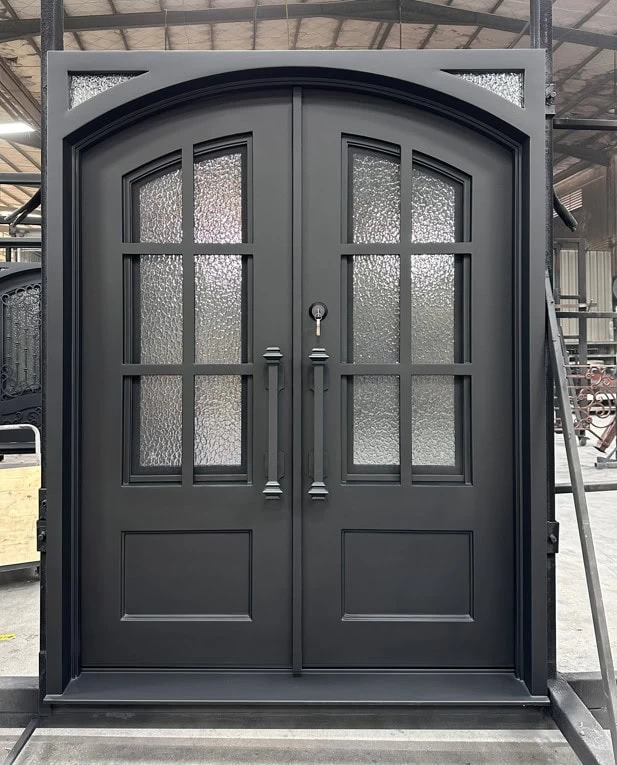
Think about leverage for a second. When someone kicks a door with a single lock, all that force concentrates at one spot on the frame. The door becomes a lever, the lock becomes the fulcrum, and basic physics works against you.
Multi-point systems spread that force across three to five points simultaneously. The top bolt engages near the header. The middle deadbolt locks into the strike plate at handle height. The bottom bolt secures near the threshold. Some systems add additional points between these locations.
When force hits one area, the other lock points hold firm. The door can’t flex or bow because it’s secured at multiple locations. This distribution means someone would need to overcome three or four times the resistance to breach the door—and they’d need to apply that force simultaneously across the entire height of the door, which isn’t physically practical.
For Essex County, NJ homes where property crimes happen every 41 minutes, this isn’t theoretical. The visible presence of a reinforced door with multi-point locking often stops attempts before they start. Most break-ins target easy opportunities. A door that’s clearly secured at multiple points signals that easier targets exist elsewhere.
The locking mechanism itself matters too. Look for systems where the bolts extend at least one inch into the frame—preferably more. The strike plates should be heavy-duty steel, not the thin stamped metal that comes standard on basic doors. These plates need to be secured with 3-inch screws that penetrate deep into the wall framing, not just the doorjamb trim.
Some systems include strike boxes that fully enclose the lock bolt, making it nearly impossible to pry or shim the lock open. This level of reinforcement turns your secure door into a barrier that requires specialized tools and significant time to defeat—time that most intruders simply don’t have.
Not all deadbolts deliver the same protection. The specifications that matter most often get buried in product details or ignored entirely during installation.
Throw length is critical. A standard deadbolt extends about one inch into the frame. That’s adequate for basic security but not optimal. A longer throw of 1.5 inches or more provides significantly more engagement with the frame, making it harder to spread the door and frame apart enough to disengage the lock.
The bolt itself should be solid steel or hardened steel alloy. Some cheaper locks use softer metals that can be cut with bolt cutters or sawed through with the right tools. Hardened steel resists these attacks, forcing anyone attempting entry to make noise and spend time—two things that work against successful break-ins.
Strike plate installation determines whether your deadbolt actually protects anything. A standard strike plate is a thin piece of metal with short screws. It looks secure but fails quickly under force. Heavy-duty strike plates are thick steel secured with screws that penetrate at least three inches into the wall studs behind the doorjamb. This anchors the lock point to the actual structure of your home, not just the decorative trim.
The lock cylinder matters for pick resistance. Look for cylinders with anti-pick pins, hardened steel inserts, and drill-resistant features. These don’t make the lock impossible to defeat, but they increase the time and skill required significantly. Most break-in attempts aren’t sophisticated enough to overcome these features.
For homes in Essex County, NJ where security concerns are real, combining a quality deadbolt with multi-point locking creates layered protection. The deadbolt provides pick-resistant security at the primary lock point. The additional lock points prevent force-based attacks. Together, they create a door system that’s genuinely difficult to compromise without specialized tools and extended time.
Want live answers?
Connect with a Iron Door Kings expert for fast, friendly support.
New Jersey’s humidity doesn’t care how much you spent on your door. Summer humidity exceeds 80 percent. Salt air penetrates inland from the 130-mile coastline. Freeze-thaw cycles hit over 100 times per year in Essex County, NJ.
Iron and steel doors handle these conditions better than wood or fiberglass, but they’re not maintenance-free. The difference between a door that lasts 30+ years and one that develops rust problems in five years comes down to understanding what humidity does to metal and how to prevent it.
Moisture is the enemy. When it combines with oxygen on iron surfaces, oxidation begins. That’s rust. Once it starts, it spreads, compromising both appearance and structural integrity. The key is preventing moisture from reaching bare metal in the first place.
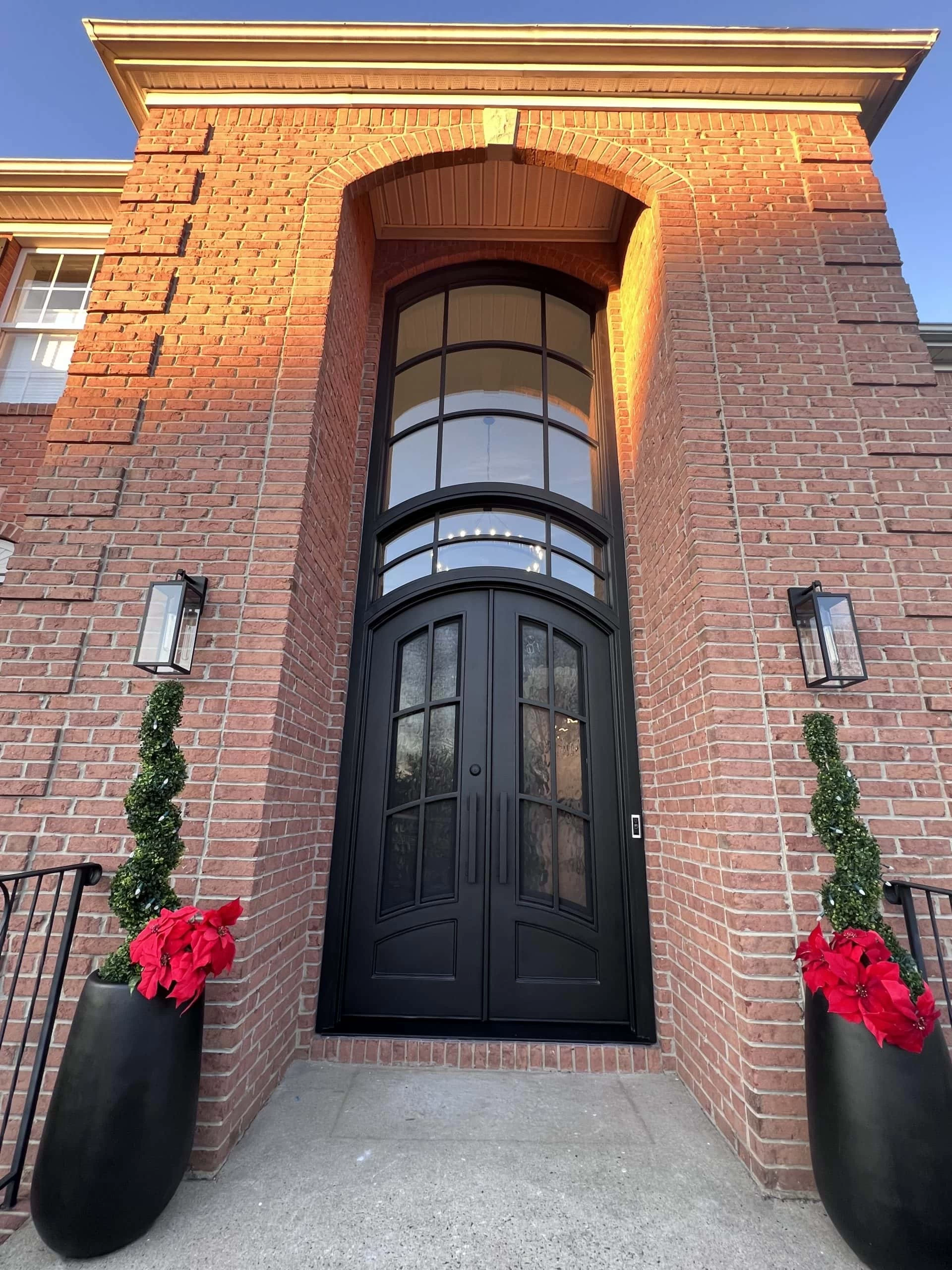
Condensation happens when cold outdoor temperatures meet warm indoor air at a metal surface. During New Jersey winters, your heated home creates a temperature differential at the door. Without proper thermal breaks, that differential causes moisture to form on the interior surface of the door.
You’ll see it as water droplets or a damp film on the metal. It might seem minor, but this moisture sits on your door’s finish for hours. Over time, it damages protective coatings, promotes rust formation, and creates drafts as seals deteriorate.
Thermal break technology prevents this by inserting a non-conductive barrier between the exterior and interior metal surfaces. This barrier stops cold from transferring directly through the door, eliminating the temperature differential that causes condensation. Doors without thermal breaks can have U-factor ratings around 4.0, meaning they lose heat quickly. Thermally broken doors achieve U-factor ratings as low as 0.41—reducing heat loss by roughly 90 percent.
The practical impact shows up in multiple ways. Your door stays dry. Your heating system runs less because you’re not losing conditioned air through the door. Your energy bills drop. And you avoid the rust and finish damage that condensation causes over years of exposure.
Summer humidity creates different challenges. When outdoor humidity exceeds 80 percent—common in Essex County, NJ summers—moisture in the air can settle on any surface cooler than the dew point. For doors, this means the metal surfaces can accumulate moisture even without rain.
Regular cleaning becomes essential during humid months. Wipe down your door with a soft cloth after particularly humid days. This removes moisture before it has time to penetrate any small scratches or chips in the finish. Use mild soap and water, then dry thoroughly. This simple step, done consistently, prevents most humidity-related problems.
Protective coatings add another layer of defense. Quality iron doors come with powder coating and rust-resistant finishes specifically chosen for humid climates. But these coatings need maintenance. Reapply protective sealant every 6 to 12 months. Look for products formulated for exterior iron with UV protection and rust inhibitors. These create a barrier that repels moisture and prevents it from reaching the metal beneath.
Rust prevention starts before your door ever gets installed. The factory finish matters. Powder coating provides superior protection compared to standard paint because it creates a thicker, more uniform coating that’s baked onto the metal. This finish resists chipping, scratching, and weathering better than liquid paint.
But no finish lasts forever without maintenance. Inspect your door every few months for any scratches, chips, or areas where the finish has worn thin. These spots are where rust will start. Address them immediately. Use fine-grit sandpaper to smooth the area, clean away all dust and debris, then apply rust-inhibiting primer followed by matching exterior paint formulated for metal surfaces.
This two-step process—primer then topcoat—ensures lasting protection against re-rusting. The primer chemically bonds to the metal and prevents oxidation. The topcoat seals the primer and matches your door’s appearance. Small touch-ups done promptly prevent rust from spreading and requiring more extensive repairs later.
Cleaning schedules matter more than most people realize. In coastal areas or areas with high humidity, clean your iron doors once or twice a month. For Essex County, NJ homes, that means more frequent cleaning during summer months when humidity peaks. Use a soft cloth or sponge with mild soap and water. Avoid harsh chemicals or abrasive cleaners that damage the protective finish.
After washing, rinse thoroughly with clean water—a garden hose on gentle pressure works well. Then dry the door completely with a clean, soft cloth. This final drying step is crucial. Standing water creates rust risk, especially in decorative elements where water can pool.
Hardware requires separate attention. Hinges, handles, and locks are prone to sticking or squeaking when exposed to moisture. Apply a small amount of lubricant—silicone-based spray or light machine oil—to all moving parts every few months. This keeps everything operating smoothly and protects metal components from rust and corrosion.
The area surrounding your door impacts how much moisture exposure it receives. Make sure gutters and downspouts direct water away from your entryway. Check that your door’s threshold provides proper drainage so water doesn’t collect near the base of the frame. If your entryway is covered, ensure it provides adequate protection from rain while still allowing airflow.
For doors in Essex County, NJ specifically, the combination of humid summers and harsh winters requires year-round attention. Summer means frequent cleaning to remove moisture and salt deposits. Winter means checking weatherstripping after storms and ensuring seals remain intact. Spring and fall are ideal times for applying protective sealant and doing thorough inspections for any damage that developed during extreme weather.
Secure doors for your house need to deliver on two fronts: actual security against break-ins and durability against New Jersey’s climate. Multi-point locking systems, quality deadbolts with proper strike plate installation, and reinforced frames create real barriers to forced entry. Thermal break technology, rust-resistant finishes, and consistent maintenance prevent the humidity and weather damage that compromises both appearance and protection over time.
The features that matter most aren’t always the ones getting advertised. Focus on specifications: throw length on deadbolts, U-factor ratings for thermal performance, powder coating thickness, and strike plate installation details. These determine whether your door actually protects your home or just looks like it does.
For Essex County, NJ homes dealing with property crimes every 41 minutes and humidity that exceeds 80 percent in summer, choosing the right door means understanding your specific challenges. We specialize in doors engineered for exactly these conditions—combining superior security features with weather-resistant construction and professional installation that ensures everything works as intended.
Article details:
Share:
Continue learning: