Every detail of a custom iron door, from its scrollwork to its welds, reflects the skill behind it. This post covers the facts that separate high-quality iron door designs from the rest.
Share:
Summary:
Custom iron doors are more than just entryways; they are a testament to the art of craftsmanship. From the choice of materials to the finishing touches, every aspect of these doors is meticulously crafted to ensure durability, security, and aesthetic appeal. This article delves into the various elements that define the quality and elegance of custom iron door designs.
The process of designing and building a custom iron door involves precision, skill, and material knowledge. Craftsmanship affects not only how a door looks but how well it performs. A well-crafted iron front door provides security, withstands environmental stress, and integrates seamlessly with the building’s exterior. Whether used in a residential or commercial setting, the process of workmanship defines the final product’s reliability and aesthetic consistency.
Not all iron doors are made from the same materials. High-quality custom iron doors typically use solid steel or heavy-gauge wrought iron. This increases strength and reduces susceptibleness to warping or corrosion. Attention to the base material affects long-term performance, especially in climates like New Jersey’s, where doors must endure temperature fluctuations. Residential iron doors should be built with corrosion-resistant components, while commercial iron doors may need reinforced framing or additional secure features.
A defining feature of craftsmanship is the quality of welds. Consistent welds without excess material or weak spots are essential for structure. On iron entry doors, especially those with curved or ornamental detailing, the transition between welded pieces must stick together. Poorly executed joints cause visual inconsistencies and compromise strength. Craftsmen who specialize in double iron doors or custom archways pay close attention to weld quality.
Want live answers?
Connect with a Iron Door Kings expert for fast, friendly support.
The finishing stage protects the iron door and contributes to its visual appeal. Powder coating, zinc galvanizing, or multi-layer painting systems extend the door’s lifespan and resist chipping, fading, or rust. Color uniformity and smooth texture indicate quality workmanship. For example, an iron front door with inconsistent coloring or visible brush marks may signal shortcut techniques. Homes and businesses in Bergen County often select matte black, oil-rubbed bronze, or custom tones that match architectural elements like railings or gates.
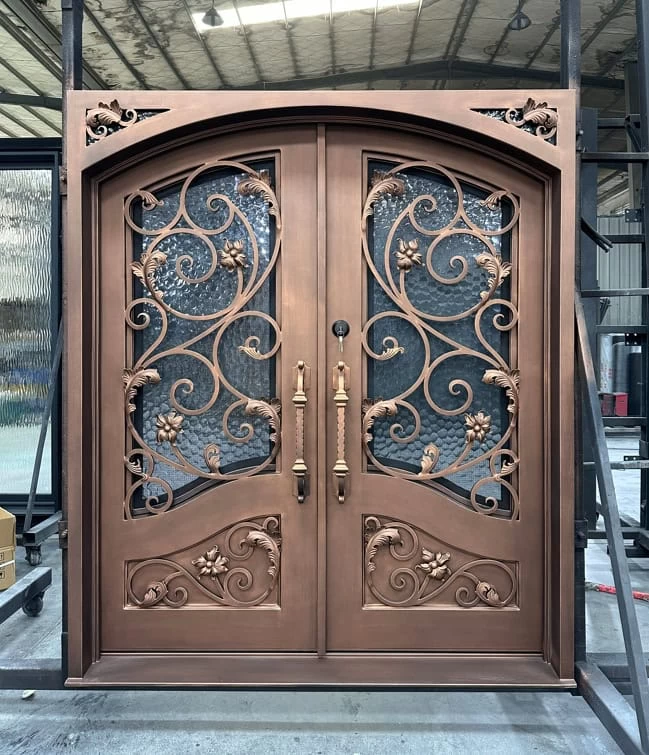
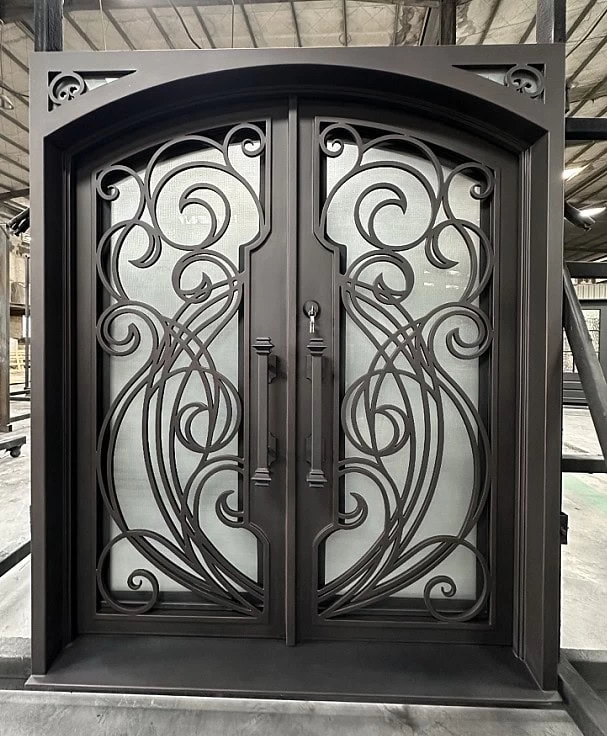
Designs featuring scrolls, geometric patterns, or glass overlays require careful handwork. Precision in bending iron, spacing patterns, and aligning components reflects the skill of the fabricator. In homes across Middlesex County and Bergen County, intricate iron exterior doors add depth and character to traditional facades. These elements must not only look balanced but be securely fastened and rust-resistant. Symmetry and proportionality in decorative ironwork make a door an architectural focal point.
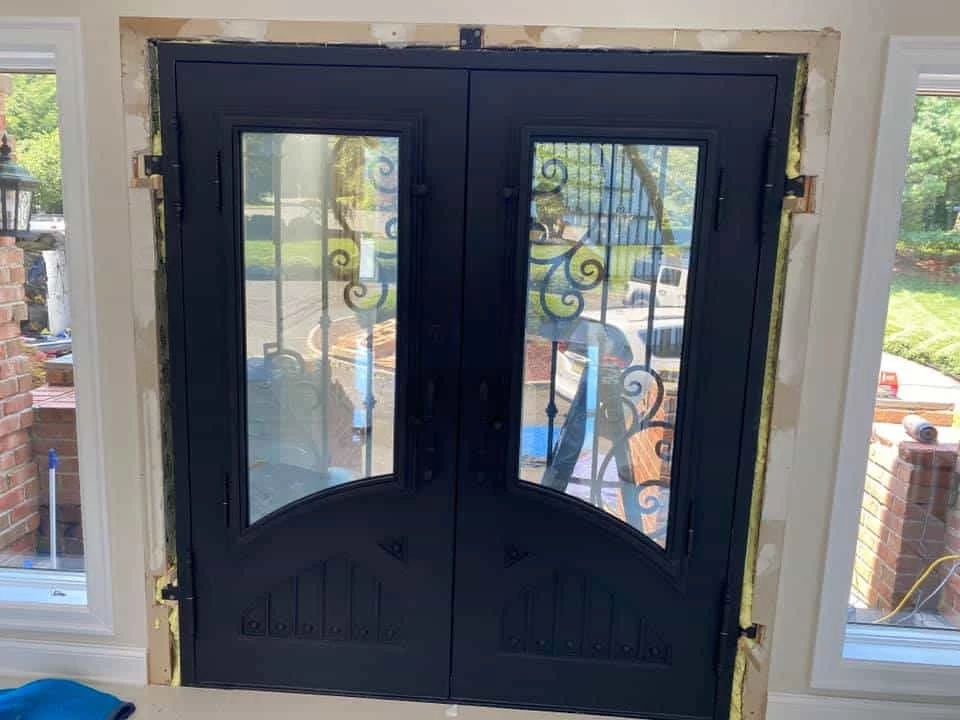
When incorporating glass panels, the connection between glass and iron must be tight and structurally sound. Uneven spacing or improper seals can lead to drafts or fogging. Double iron doors often include matching sidelights or transoms that must align precisely with the main unit. Misalignments can disrupt the appearance and functionality of the entry. Craftsmen take measurements and follow calibrated installation practices to ensure the fit and insulation performance.
Custom iron doors and their features are the product of meticulous fabrication and design. From structural welds to finishing touches, each step affects the final outcome. Whether for a residential entrance in Middlesex County or a commercial property in Bergen County, investing in craftsmanship ensures that your iron door is built to last and designed to fit. By focusing on material integrity, detail accuracy, and proper finishing, homeowners and builders can secure performance and appearance.
Article details:
Share:
Continue learning: