Modern minimalist homes need custom doors that balance clean aesthetics with lasting quality. Learn how to design an entryway that elevates your home's value and reflects your style.
Share:
Summary:
Minimalist design isn’t about stripping everything away until nothing’s left. It’s about intentionality. Every line, every material, every finish serves a purpose. When you’re designing custom doors for a modern minimalist home, you’re working with a design language that demands clarity and quality over decoration.
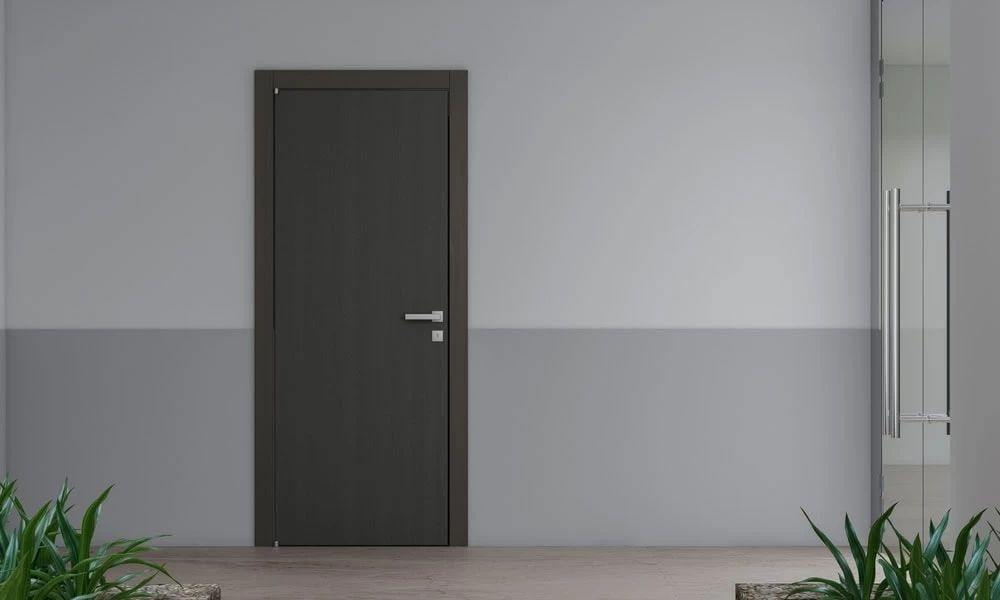
The doors that work best in this context share a few defining characteristics. Clean lines that don’t compete with your architecture. Flush panels or simple geometric patterns that create visual interest without busy details. Materials that look and feel substantial—not flimsy, not fake. And hardware that disappears into the design rather than announcing itself.
In 2026, the trend is moving even further toward seamless integration. Frameless designs, shadow gaps, and concealed hinges are gaining traction because they create that floating, effortless look minimalist homeowners want. But trends aside, what really matters is whether the door feels right when you walk up to your home every day.
Here’s where a lot of people get stuck. You want a door that looks incredible, but you also need it to handle New Jersey weather, provide real security, and not become a maintenance nightmare. That’s not asking too much—it’s asking for the right materials.
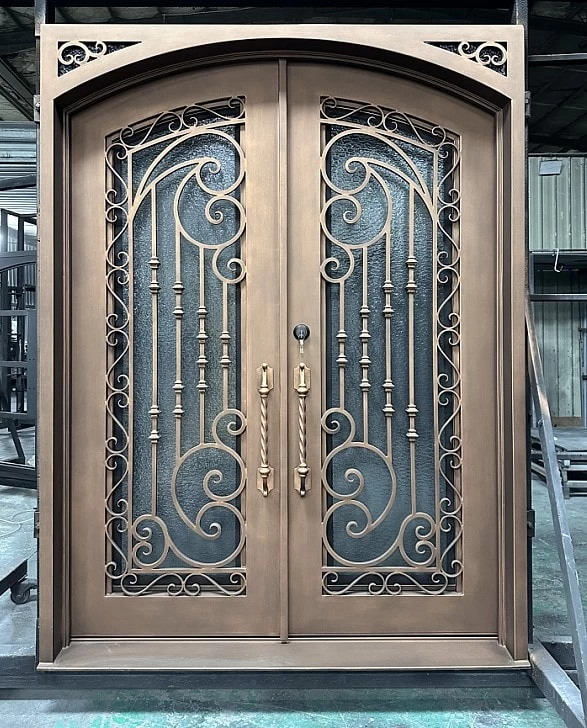
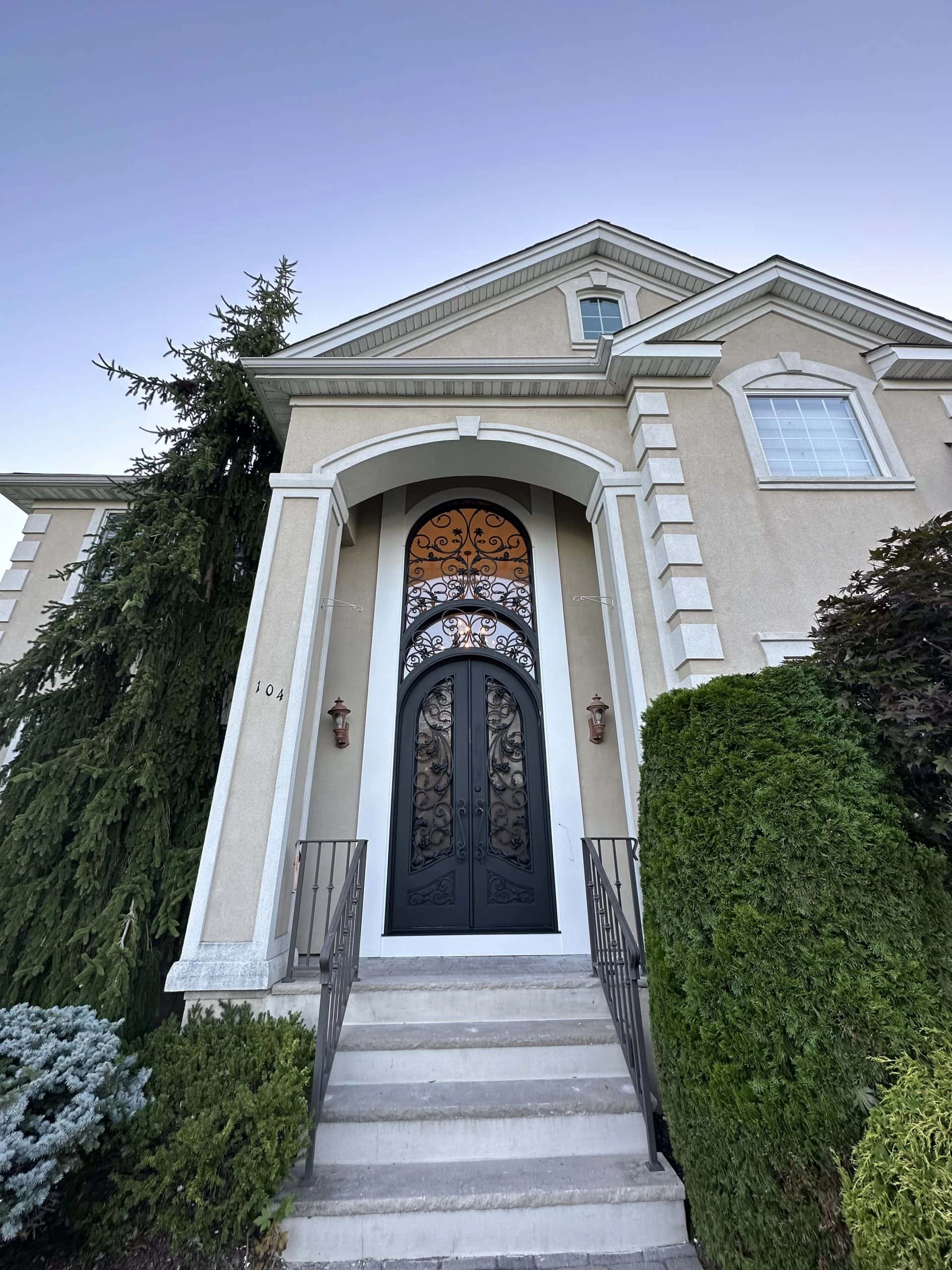
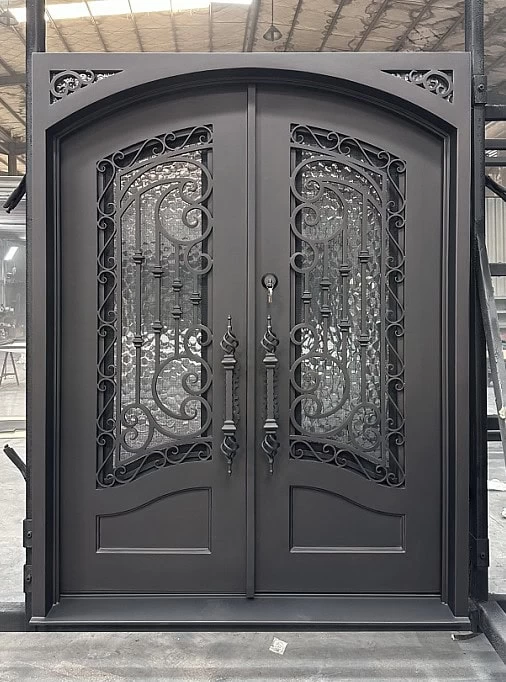
Iron and steel are leading the way in 2026 for good reason. They offer the strength you need with the clean, modern aesthetic minimalist design demands. A custom iron door can be designed with minimal ornamentation—think simple geometric patterns or even completely smooth panels—while still providing the structural integrity and security that matters. The weight and presence of iron also communicates quality in a way lighter materials simply can’t match.
Natural wood finishes are making a comeback, but with a contemporary twist. Light oak, walnut, and other refined wood tones bring warmth to minimalist spaces without feeling rustic or traditional. The key is choosing finishes that feel organic but polished—nothing too glossy, nothing too distressed. Matte and satin finishes work particularly well because they catch light beautifully without creating visual noise.
Glass elements deserve careful consideration. In minimalist design, glass can open up your entryway and create flow between inside and outside. But privacy, energy efficiency, and security matter too. Options like frosted glass, textured glass, or even tinted panels let you control visibility while maintaining that clean, modern look. The goal is to let in light without sacrificing the things that make your home feel safe and comfortable.
What about durability? This is where quality separates itself from cost-cutting. A well-constructed custom door using high-grade materials—12-gauge iron, tempered glass, weather-resistant finishes—will look better in ten years than a budget option looks after one winter. In Bergen County, Monmouth County, Essex County, and Middlesex County, NJ, you’re dealing with humid summers, cold winters, and everything in between. Your door needs to handle that without warping, fading, or failing.
Here’s where a lot of people get stuck. You want a door that looks incredible, but you also need it to handle New Jersey weather, provide real security, and not become a maintenance nightmare. That’s not asking too much—it’s asking for the right materials.
Iron and steel are leading the way in 2026 for good reason. They offer the strength you need with the clean, modern aesthetic minimalist design demands. A custom iron door can be designed with minimal ornamentation—think simple geometric patterns or even completely smooth panels—while still providing the structural integrity and security that matters. The weight and presence of iron also communicates quality in a way lighter materials simply can’t match.
Natural wood finishes are making a comeback, but with a contemporary twist. Light oak, walnut, and other refined wood tones bring warmth to minimalist spaces without feeling rustic or traditional. The key is choosing finishes that feel organic but polished—nothing too glossy, nothing too distressed. Matte and satin finishes work particularly well because they catch light beautifully without creating visual noise.
Glass elements deserve careful consideration. In minimalist design, glass can open up your entryway and create flow between inside and outside. But privacy, energy efficiency, and security matter too. Options like frosted glass, textured glass, or even tinted panels let you control visibility while maintaining that clean, modern look. The goal is to let in light without sacrificing the things that make your home feel safe and comfortable.
What about durability? This is where quality separates itself from cost-cutting. A well-constructed custom door using high-grade materials—12-gauge iron, tempered glass, weather-resistant finishes—will look better in ten years than a budget option looks after one winter. In Bergen County, Monmouth County, Essex County, and Middlesex County, NJ, you’re dealing with humid summers, cold winters, and everything in between. Your door needs to handle that without warping, fading, or failing.
Want live answers?
Connect with a Iron Door Kings expert for fast, friendly support.
Let’s talk about the financial side, because a custom door isn’t just an aesthetic choice—it’s an investment. And unlike some home improvements that barely move the needle on resale value, entry door replacement consistently delivers impressive returns.
According to recent industry data, steel and iron entry door replacements can recoup 188% to 216% of their cost. That’s not a typo. You can actually get back more than you spent, which is rare in home renovations. Even more conservative estimates put entry door ROI at 75% to 100%, which still outperforms most other projects homeowners tackle.
Why such strong returns? First impressions. Your front door is one of the first things potential buyers see, and it sets expectations for everything inside. A high-quality custom door signals that the home has been well-maintained and thoughtfully designed. It suggests attention to detail and investment in quality—exactly what buyers want to see. Curb appeal alone can increase property value by 7% or more, and your entryway is a major component of that appeal.
Not all door replacements deliver the same ROI. The quality of materials, craftsmanship, and installation makes a significant difference. Low-quality, prefabricated doors can actually hurt your home’s value if they warp, crack, or require frequent maintenance. Buyers notice these things, and they factor them into their offers—or they walk away entirely.
Custom doors made with high-grade materials offer a different value proposition. They’re built to last, which means the next homeowner won’t need to replace them anytime soon. That’s a selling point. They also offer customization that makes your home stand out in a competitive market. In areas like Middlesex County, Bergen County, Monmouth County, and Essex County, NJ, where architectural styles vary widely, a door that’s been designed specifically for your home’s aesthetic creates a cohesive, polished look that generic options can’t match.
Energy efficiency is another factor buyers care about more than ever. Doors with proper insulation, thermal barriers, and quality weatherstripping reduce heating and cooling costs year-round. In New Jersey’s climate, that’s not a minor consideration. Buyers are increasingly looking for homes with energy-efficient features, and a well-designed custom door contributes to that appeal.
Security is a major selling point too. Iron and steel doors with multi-point locking systems provide peace of mind that lighter materials simply can’t offer. For buyers with families, security features often rank high on their priority list. A door that looks beautiful and performs exceptionally in terms of safety and durability checks multiple boxes at once.
The luxury entryway investment you make today becomes a competitive advantage when it’s time to sell. While other homes in your neighborhood might have builder-grade doors that all look the same, yours makes a statement. That differentiation matters in real estate, especially in the mid-to-high-end market where buyers expect quality and are willing to pay for it.
Designing a custom door might sound complicated, but with the right team, it’s actually straightforward. The process typically starts with a consultation where you discuss your vision, your home’s architecture, and your functional needs. This is where you explore options—materials, finishes, glass choices, hardware styles—and start to see how different elements work together.
A good design team will ask questions about how you use your space, what matters most to you, and what concerns you might have. Do you need extra privacy? Are you worried about energy efficiency? Do you want the door to make a bold statement or blend seamlessly with your exterior? These conversations help narrow down options and ensure the final design actually works for your life, not just for Instagram.
Next comes the design phase, where you’ll typically see renderings or drawings of your custom door. This is your chance to refine details, adjust proportions, and make sure everything feels right before fabrication begins. Changes are much easier to make on paper than after the door is built, so take your time here. A dedicated project manager keeps this process moving smoothly and ensures you’re never left wondering what’s happening next.
Fabrication timelines vary, but you can generally expect six to ten weeks from design approval to installation. This isn’t something you rush. Quality craftsmanship takes time, and custom work means your door is being built specifically for your home, not pulled from inventory. During this phase, the materials are sourced, the door is constructed, and quality checks ensure everything meets specifications.
Installation is where everything comes together. Professional installation isn’t optional—it’s essential. Even the most beautifully designed door will fail if it’s not installed correctly. Proper installation ensures the door sits level, operates smoothly, seals properly against weather, and provides the security it’s designed for. This is also when any necessary framing adjustments are made, trim is installed, and final touches ensure the door integrates seamlessly with your home.
After installation, you should expect a walkthrough where the installer demonstrates how everything operates, answers any questions, and ensures you’re completely satisfied. This is also when you’ll learn about any maintenance requirements, which for high-quality custom iron doors, should be minimal. A quick wipe-down and occasional hardware check is typically all that’s needed to keep your door looking and functioning beautifully for decades.
The entire process, from initial consultation to final installation, should feel collaborative and transparent. You’re not just buying a product—you’re working with professionals who understand design, materials, and the specific challenges of your local climate. That expertise makes the difference between a door that looks good in photos and one that performs flawlessly in real life.
Designing the perfect custom door for your modern minimalist home comes down to a few key principles: intentional design that serves your aesthetic, quality materials that perform in real-world conditions, and professional execution that ensures everything works as it should. When these elements align, you get an entryway that elevates your home’s appearance, increases its value, and gives you something to be proud of every time you come home.
The investment makes sense from multiple angles. You’re improving your daily experience with a beautiful, functional entrance. You’re increasing your property value with one of the highest-ROI home improvements available. And you’re making a choice that lasts—quality custom doors don’t need replacing every few years like cheaper alternatives.
If you’re ready to explore what’s possible for your home in Middlesex County, Bergen County, Monmouth County, or Essex County, NJ, we can help you navigate the process from concept to installation. The right door is out there, and it’s probably more achievable than you think.
Article details:
Share:
Continue learning: