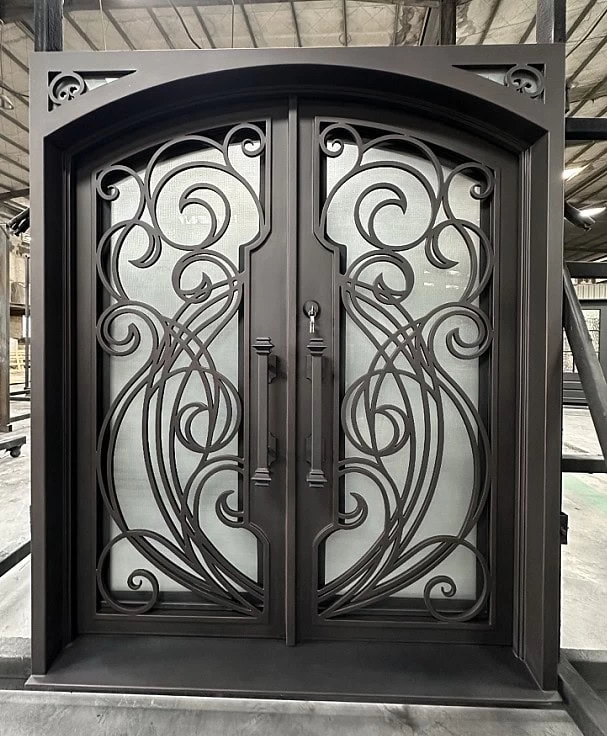
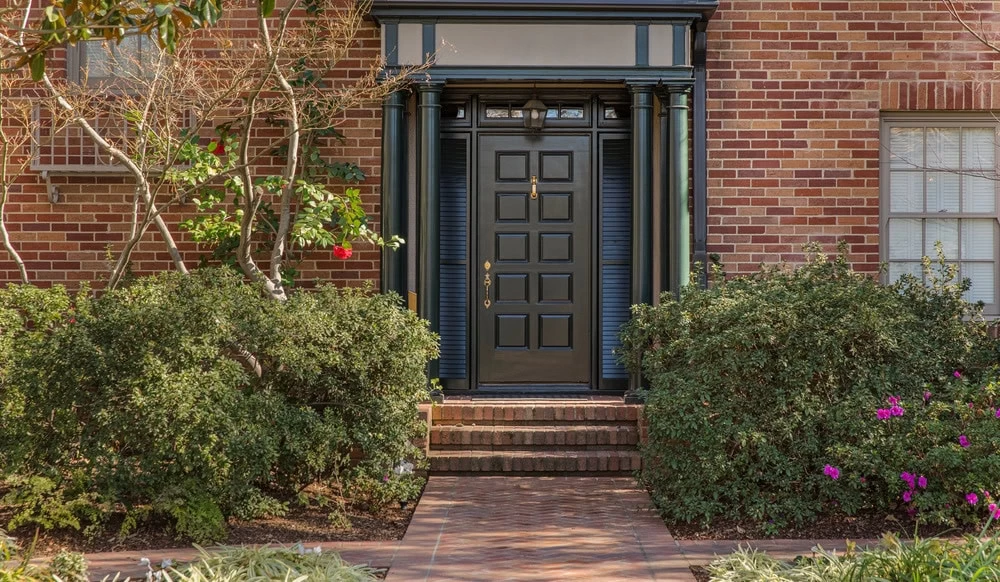
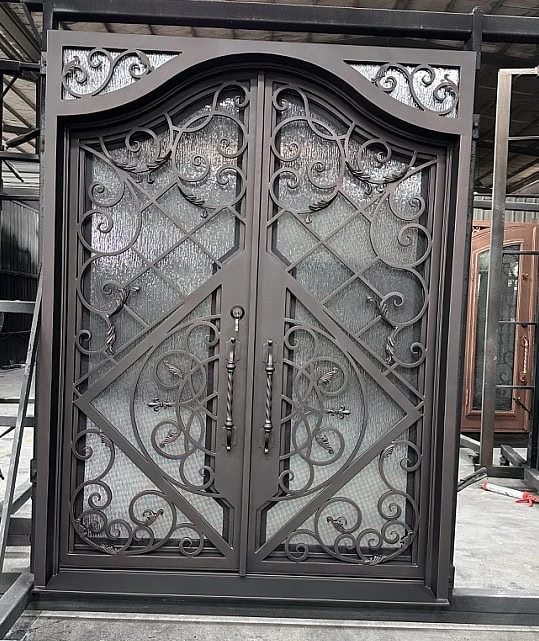
Burglar proof screen doors use marine-grade stainless steel mesh and multi-point locking to prevent forced entry while letting you enjoy fresh air safely.
Share:
Summary:
You know that flimsy screen door isn’t stopping anyone. Neither is that standard sliding door latch that jiggles when you close it.
Break-ins happen fast. Most intruders spend less than 60 seconds gaining entry, and they’re looking for the easiest target. Your standard screens might keep out mosquitoes, but they won’t slow down someone with a box cutter or a crowbar.
Burglar proof screen doors solve this problem by combining visibility and ventilation with actual security. You’re looking at marine-grade stainless steel mesh that resists cutting and impact, reinforced frames that won’t bend under pressure, and locking systems designed to stop forced entry cold. Here’s what makes security mesh actually work.
Regular screens use aluminum or fiberglass mesh that tears with minimal force. Security screens use woven stainless steel wire thick enough to resist knives, shears, and prying tools.
The mesh itself is just the starting point. The frame matters just as much. Heavy-duty aluminum extrusions replace the lightweight frames on standard screens, and the mounting system anchors directly into structural framing rather than surface trim. This prevents the door-frame failure that accounts for most successful break-ins.
Multi-point locking systems secure the door at the top, middle, and bottom simultaneously. When you engage the lock, steel bolts extend into reinforced strike plates, distributing force across the entire frame. An intruder can’t simply kick near the latch and pop the door open like they could with a standard screen.
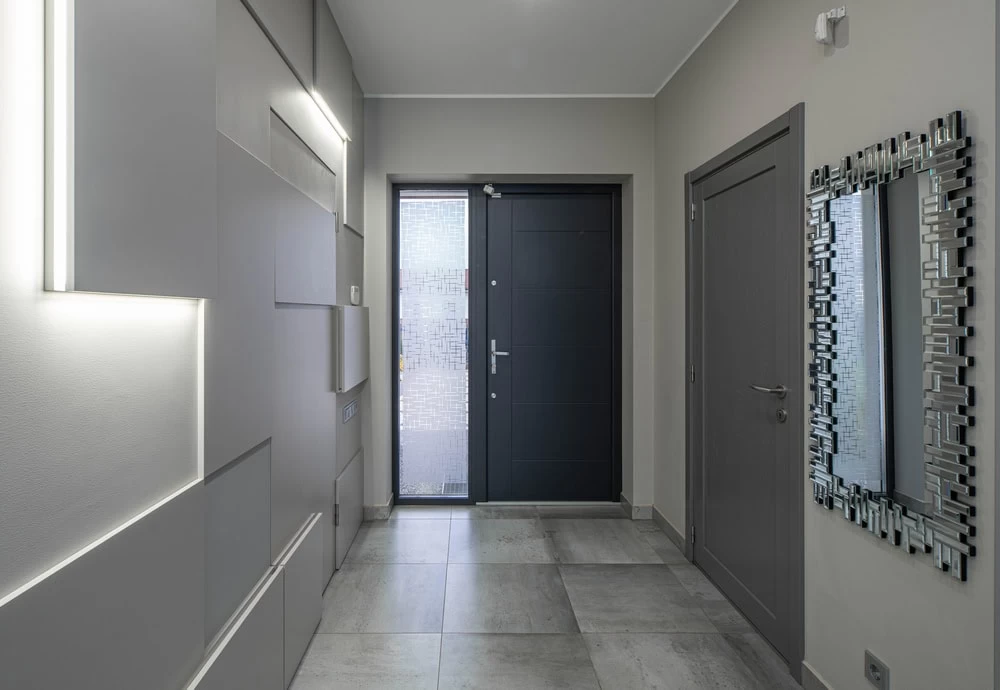
Stainless steel security mesh uses wire that’s three times thicker than standard screening. The weave pattern creates a grid of interlocking strands that distribute impact force rather than tearing at a single point.
Marine-grade 304 or 316 stainless steel resists corrosion from salt air and humidity, which matters in New Jersey’s variable climate. The powder coating adds another layer of weather protection while preventing the mesh from oxidizing or weakening over time.
Testing standards like ASTM F1233 measure impact resistance in joules. Quality security mesh withstands impacts exceeding 220 joules, roughly equivalent to a full-force kick from a 200-pound adult. Standard screening fails at a fraction of that force.
The mesh gets clamped into the frame using a screw-clamp system rather than simple spline channels. This creates a mechanical bond that won’t pull loose under stress. When someone tries to pry the mesh away from the frame, the clamping system actually tightens rather than releasing.
Visibility remains surprisingly good. The dark mesh color and fine weave create a screen effect that’s nearly transparent from inside while obscuring the view from outside. You can see out clearly, but people passing by can’t easily see in to assess what you have or whether you’re home.
The same mesh that stops burglary tools also handles pet claws and accidental impacts. If you’ve replaced torn screens multiple times because of enthusiastic dogs or windblown debris, security mesh eliminates that maintenance cycle entirely.
The frame provides the structural foundation that makes security mesh effective. Extruded aluminum in heavy-gauge thickness creates rigidity that won’t flex when someone applies prying force. Cheap frames bend, creating gaps that compromise the entire system.
Tamper-resistant hinges use special screws that can’t be removed from the outside. Some designs incorporate ball-bearing hinges rated for hundreds of thousands of cycles, ensuring smooth operation even with the extra weight of security construction.
Strike plates extend three inches or more into the door frame, anchoring into structural studs rather than just the trim. This distributes the force from kick attempts across a much larger area, preventing the blow-out failure that happens with standard installations.
The locking mechanism itself uses hardened steel components that resist drilling and picking. Three-point locks engage simultaneously at multiple heights, so there’s no single weak point to attack. You turn one handle or key, and three separate bolts secure the door.
Weather stripping creates a tight seal that prevents air infiltration while maintaining the door’s security function. EPDM rubber compounds stay flexible in temperature extremes from well below freezing to over 100 degrees, maintaining that seal through New Jersey’s seasonal changes.
Installation quality determines whether all these components work together properly. The frame needs to be perfectly square and plumb, with proper shimming and anchoring. Misalignment creates stress points where the system can fail. Professional installation ensures everything fits precisely and operates smoothly while maintaining maximum security.
Want live answers?
Connect with a Iron Door Kings expert for fast, friendly support.
Sliding patio doors present specific vulnerabilities that standard latches don’t address. The doors sit in tracks that allow them to be lifted and removed if they’re not properly secured. The large glass panels create obvious visibility into your home, letting potential intruders assess your belongings and routines.
Security screens for patio doors operate on reinforced track systems with anti-lift blocks that prevent the door from being pried up and out. The screens slide smoothly for daily use but lock firmly when secured, creating a barrier that protects the glass door behind it.
You can leave the glass door open for ventilation while keeping the security screen locked. This gives you fresh air flow without the vulnerability of an open door. The stainless steel mesh blocks insects while maintaining the security level you need to feel comfortable leaving doors open overnight or when you’re away.
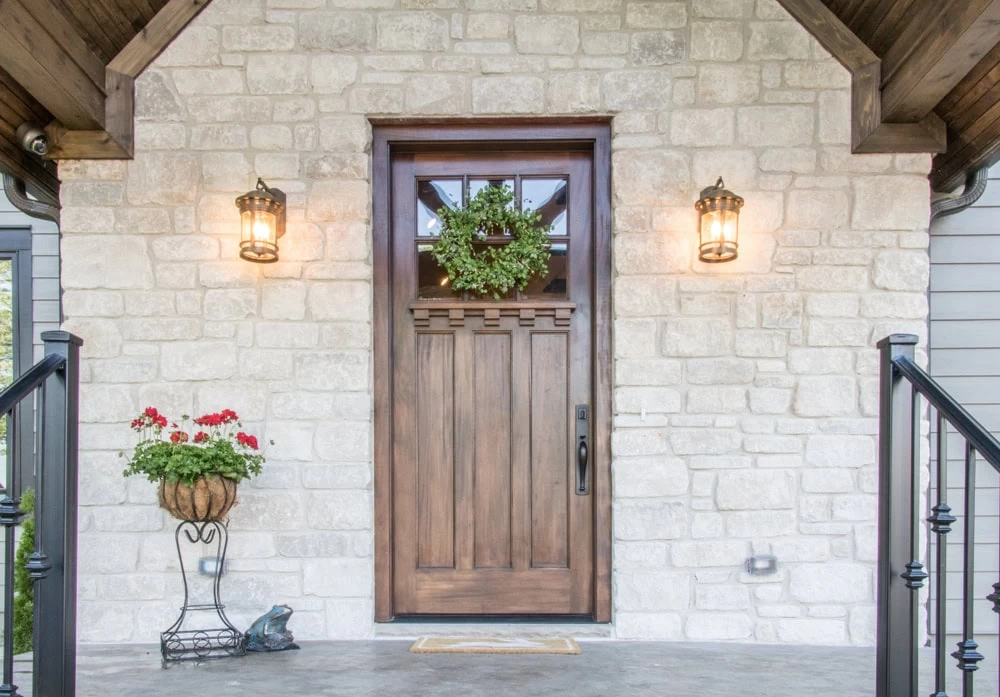
Standard sliding doors use simple latches that can be defeated by lifting the door or applying upward pressure while pulling. Security screens add multiple layers of protection that address these specific attack methods.
Anti-lift devices install in the upper track to prevent the door from being lifted out. These can be adjustable screws that create just enough clearance for smooth operation while blocking the upward movement needed to remove the door. Some systems use specialized clips or blocks that serve the same purpose.
The lower track gets reinforced with security bars or charlie bars that physically block the door from sliding even if the lock fails. These adjustable bars telescope to fit your exact door width and lock into place with pressure mounting or screw anchoring. An intruder would need to break the bar itself to move the door.
Impact-resistant glass or security film on the glass panels prevents the smash-and-grab approach. Standard tempered glass shatters into small pieces when broken, creating an easy entry point. Laminated glass or security film holds the glass together even when cracked, maintaining a barrier that takes significant time and effort to breach.
The frame connection points need reinforcement too. Heavy-duty rollers replace plastic wheels that can crack or bind. Metal track guards prevent prying tools from getting leverage on the frame. Every component works together to eliminate the weak points that make standard sliding doors such easy targets.
Professional installation ensures all these security features align properly. The tracks need to be level and properly secured. The anti-lift devices need precise adjustment to allow smooth operation without creating exploitable gaps. The locking mechanism needs to engage fully at all points. DIY installation often misses these critical details that determine whether the system actually provides the security you’re paying for.
French doors and multi-panel configurations create additional security challenges because of the meeting points between doors. Each junction represents a potential weak point if not properly addressed with coordinated locking systems.
Security screens for French doors use astragal plates where the doors meet. These overlapping plates eliminate the gap that would otherwise allow prying tools to gain purchase. Multi-point locks on both doors engage simultaneously into these reinforced meeting points.
The inactive door (the one that normally stays closed) gets secured with flush bolts that extend into the header and threshold. These bolts anchor the door at top and bottom, creating a solid barrier that the active door locks against. You can’t simply force the doors apart at the center meeting point.
For multi-panel sliding systems, each panel needs its own security features. Interlocking mechanisms prevent panels from being separated or lifted individually. The locking system coordinates across all panels so you’re not relying on a single latch point to secure a wide opening.
Corner installations and wrap-around configurations require custom fabrication to maintain security across the entire protected area. Off-the-shelf solutions rarely fit these applications properly, creating gaps or misalignments that compromise security. Custom measurement and fabrication ensure every panel fits precisely and locks securely.
The weight of multiple security panels requires heavy-duty hardware rated for the load. Hinges need to support several hundred pounds without sagging. Tracks need to handle the extra weight without binding or wearing prematurely. These aren’t standard residential components, you need commercial-grade hardware designed for security applications.
Your home’s security is only as strong as its weakest access point. Standard screens and basic locks create vulnerabilities that determined intruders exploit in seconds. Burglar proof screen doors eliminate those weak points with materials and construction designed specifically to resist forced entry.
The right solution depends on your specific entry points and security needs. Front doors, patio doors, and ground-floor windows each require different approaches, but the core principles remain the same: impact-resistant mesh, reinforced frames, and multi-point locking systems that work together as a complete barrier.
Professional installation ensures everything fits properly and functions as designed. The difference between a security system that works and one that fails often comes down to precise measurement, proper anchoring, and correct alignment of all components.
We bring the expertise and custom fabrication capability to create security solutions that protect your Essex County, NJ home without compromising its appearance. When you’re ready to upgrade from screens that don’t work to security that actually stops break-ins, that’s the conversation worth having.
Article details:
Share:
Continue learning: