Learn how custom iron doors bring together security, energy efficiency, and timeless design for New Jersey homes—from the first consultation to professional installation.
Share:
Summary:
You’ve probably noticed it. The wood door that looked perfect five years ago now sticks in the summer humidity. The paint is peeling again. And every time the wind picks up, you feel that draft sneaking through gaps that weren’t there before. New Jersey weather doesn’t give doors a break, and at some point, patching and repainting stops making sense. You start looking for something that actually lasts.
Custom iron doors handle what New Jersey throws at them—freeze-thaw cycles, coastal humidity, summer heat that makes wood swell, and winter storms that test every seal. But beyond durability, they give you control over how your entrance looks and functions. You’re not stuck choosing between three stock options at a big box store. You’re working with a design team to create something that fits your home’s architecture, your security needs, and your actual life.
Here’s how the process works, what to expect, and why homeowners across Essex County are making the switch.
The difference starts with the material itself. Wrought iron and steel doors don’t react to humidity the way wood does. They don’t warp when temperatures swing. They don’t need repainting every few years.
Most quality custom wrought iron doors use 12-gauge steel—thick enough to resist forced entry, weather damage, and the kind of wear that comes from daily use in a busy household. The frame gets reinforced. The glass is tempered and often dual-pane for insulation. And if you’re in a climate that sees real winter, thermal break technology keeps cold from conducting through the metal.
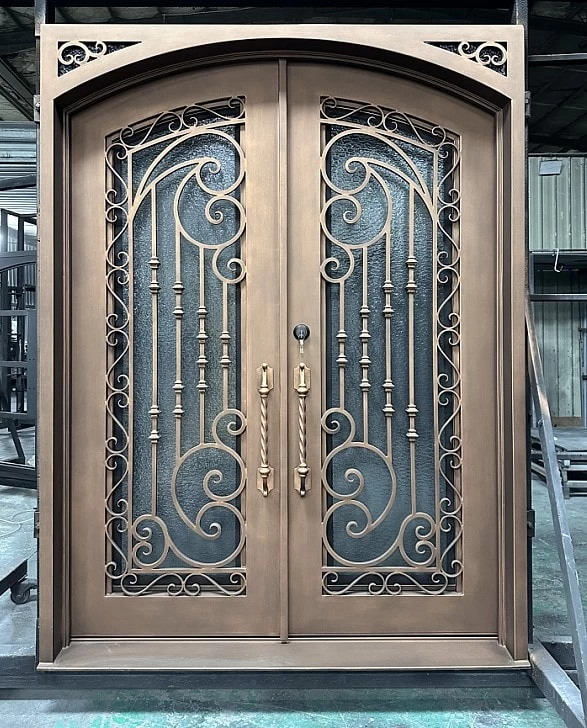
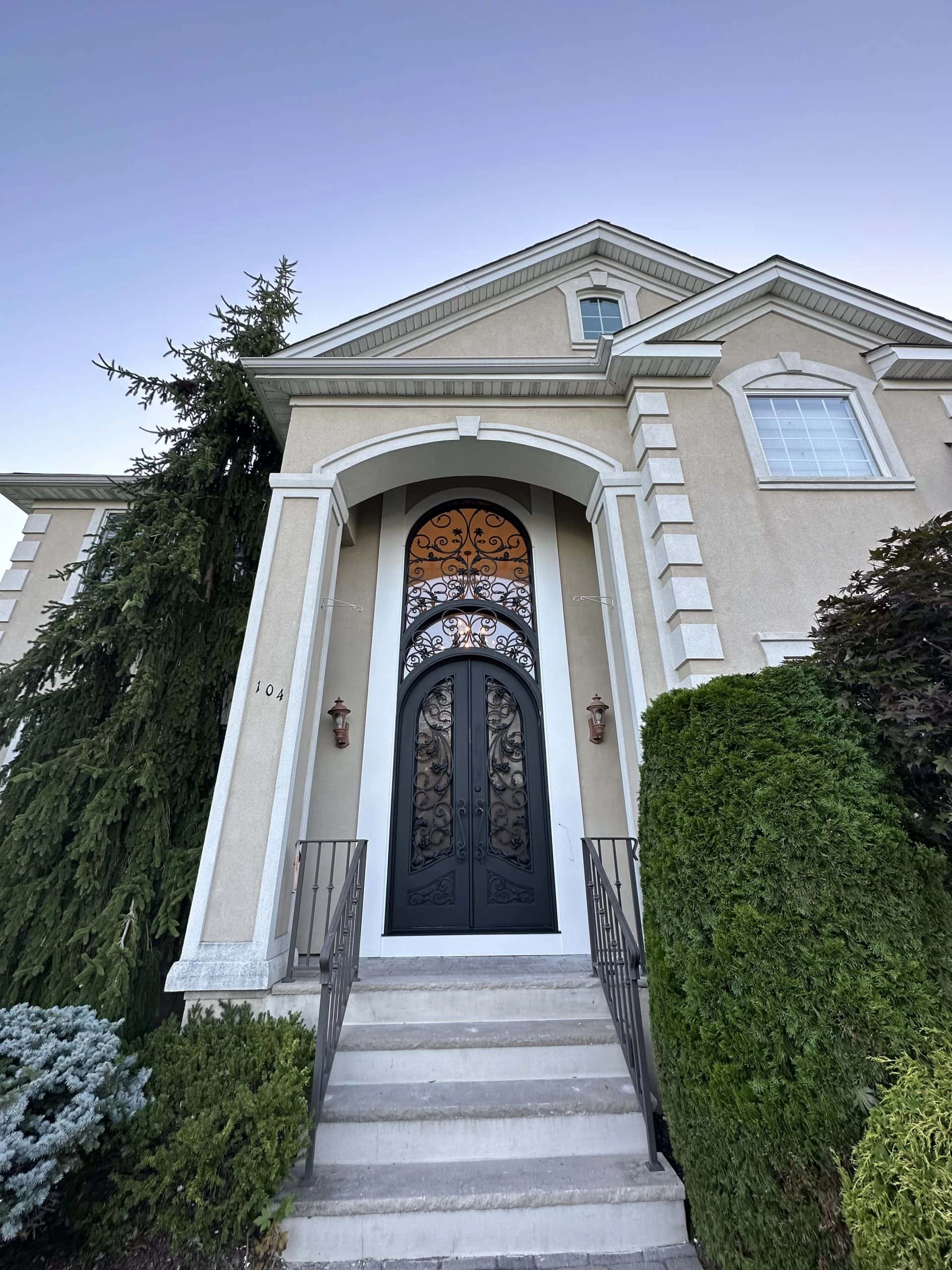
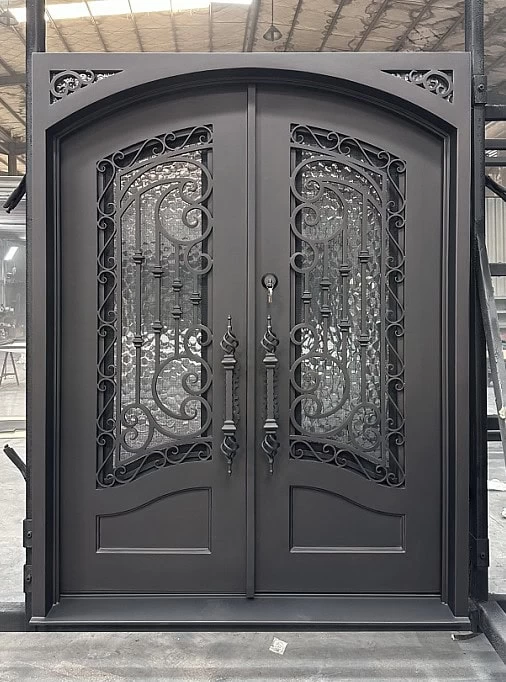
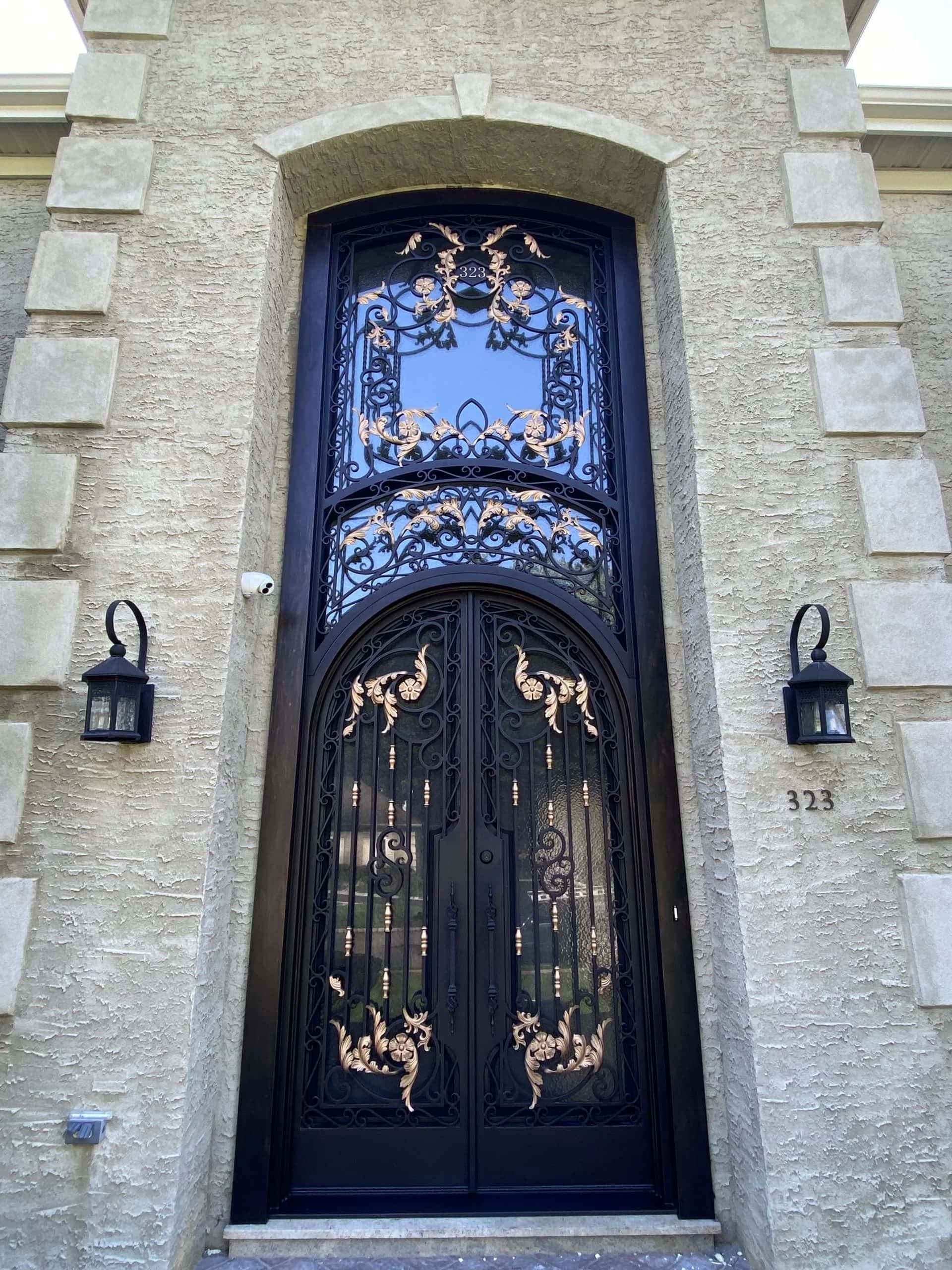
That’s the functional side. The design side is where “custom” actually means something. You’re not limited to whatever’s in stock. You choose the size, the style, the glass pattern, the finish, and the hardware. If your home has an arched entryway, the door gets built to match that arch. If you want sidelights, transoms, or a specific scrollwork pattern, that gets incorporated into the design.
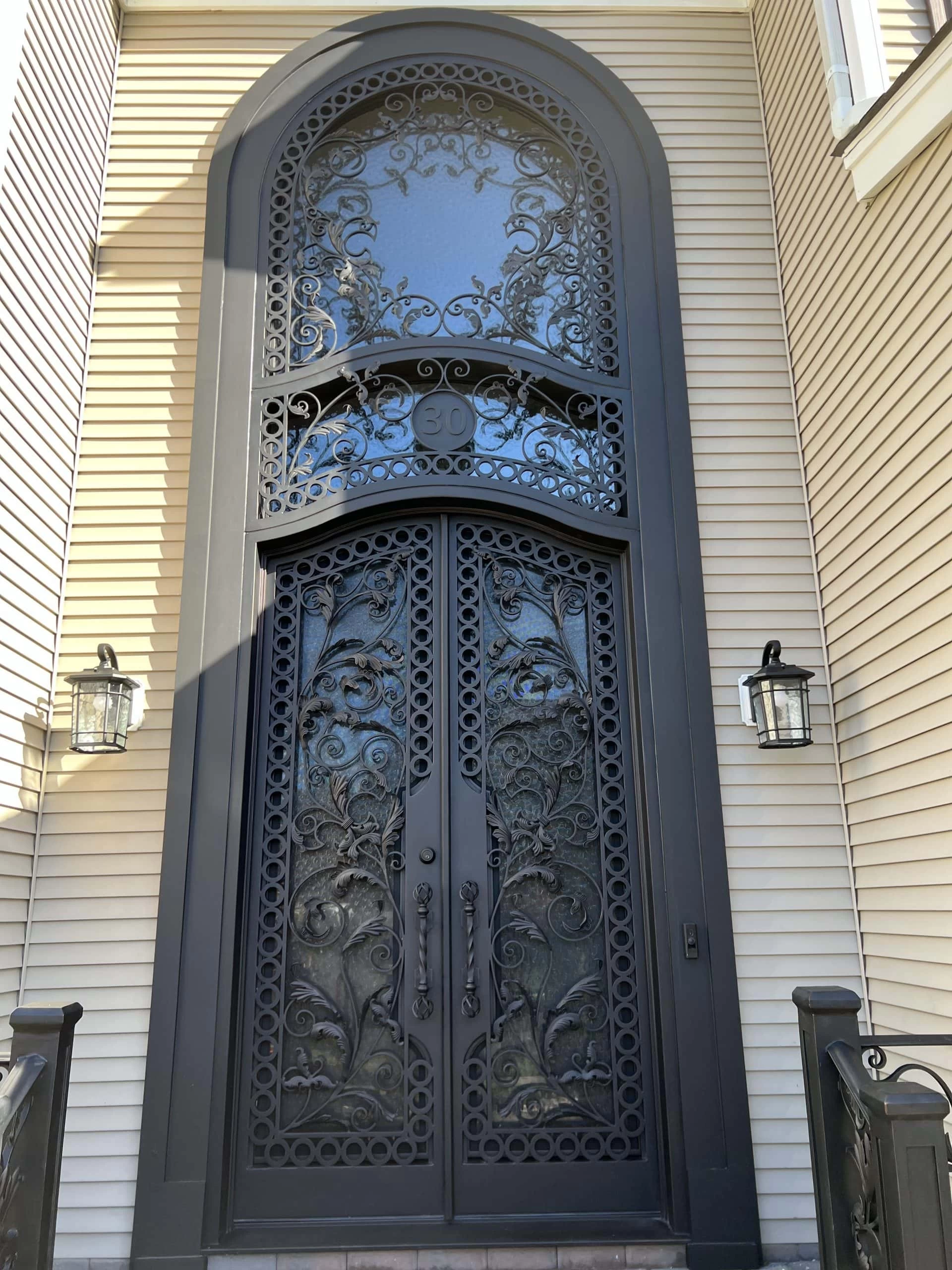
An iron screen door gives you airflow without compromising security. It’s the door you can leave open on a spring evening to let the breeze through while keeping the bugs—and everything else—out.
Custom iron screen doors work especially well in New Jersey because they handle the same weather extremes as your main entry door. They’re built with the same materials, the same attention to fit, and the same rust-resistant finishes. You’re not dealing with flimsy aluminum that bends the first time someone leans on it.
The design process is similar to a full entry door. You pick the pattern, the finish, and the hardware. Some homeowners go with a simple grid design. Others want decorative scrollwork that matches their main door. Either way, the screen door gets custom-built to your exact measurements.
Installation matters here. A screen door that doesn’t fit right will rattle, leak air, and wear out fast. Professional installation ensures the door sits flush, operates smoothly, and seals properly against your door frame. The hinges get positioned correctly. The latch engages without forcing. And the weatherstripping actually does its job.
If you’re adding a screen door to an existing iron entry door, the two should complement each other. Matching finishes, coordinating hardware, and similar design elements create a cohesive look. We can help you think through those details during the planning phase.
Iron screen doors also work well for side entries, back doors, and even basement access points. Anywhere you want ventilation plus security, a custom iron screen door handles both.
Wine cellars need doors that do more than look good. Temperature stability matters. Humidity control matters. And if you’re investing in a serious collection, security matters too.
Wine cellar wrought iron doors are typically built with thermal break technology and insulation to maintain the environment your wine collection requires. The door itself becomes part of the climate control system, preventing warm air from seeping in and disrupting the carefully regulated conditions inside.
The design side gives you options. Some homeowners want full visibility—glass panels that showcase the collection. Others prefer more privacy with frosted or textured glass. Decorative scrollwork, grapevine patterns, and custom ironwork can tie the door into the overall aesthetic of your wine room.
Sizing is flexible. Single doors work for smaller cellars. Double doors create a more dramatic entrance for larger spaces. And if your wine cellar is in the basement or tucked into an unusual architectural feature, custom sizing ensures the door fits perfectly without gaps or awkward modifications.
Installation for wine cellar doors requires attention to sealing and weatherstripping. Even small air leaks can affect temperature and humidity levels. Professional installers understand how to fit the door, adjust the threshold, and seal every edge to maintain the controlled environment your collection depends on.
Wine room doors wrought iron also serve as a security feature. The strength of iron combined with quality locking mechanisms means your collection stays protected. Multi-point locks, deadbolts, and even smart lock integration can be incorporated into the design.
If you’re building a new wine cellar or upgrading an existing one, the door should be part of the initial planning. Work with your contractor and our design team together to ensure the rough opening, structural support, and climate control system all align with the door specifications.
Want live answers?
Connect with a Iron Door Kings expert for fast, friendly support.
Luxury exterior doors do more than secure your home. They set the tone for everything else. When someone approaches your house, the front door is the first detail they notice. It signals quality, attention to detail, and how you think about your home.
Custom iron doors deliver that impact. The weight, the craftsmanship, the way the door operates—it all communicates something different than a standard fiberglass or wood door. You’re making a statement about durability and style.
The “luxury” part isn’t just about appearance. It’s about materials that perform, finishes that last, and installation that ensures everything works correctly for decades. High-grade steel, powder-coated finishes, tempered glass, and precision hardware all contribute to a door that feels substantial and operates smoothly.
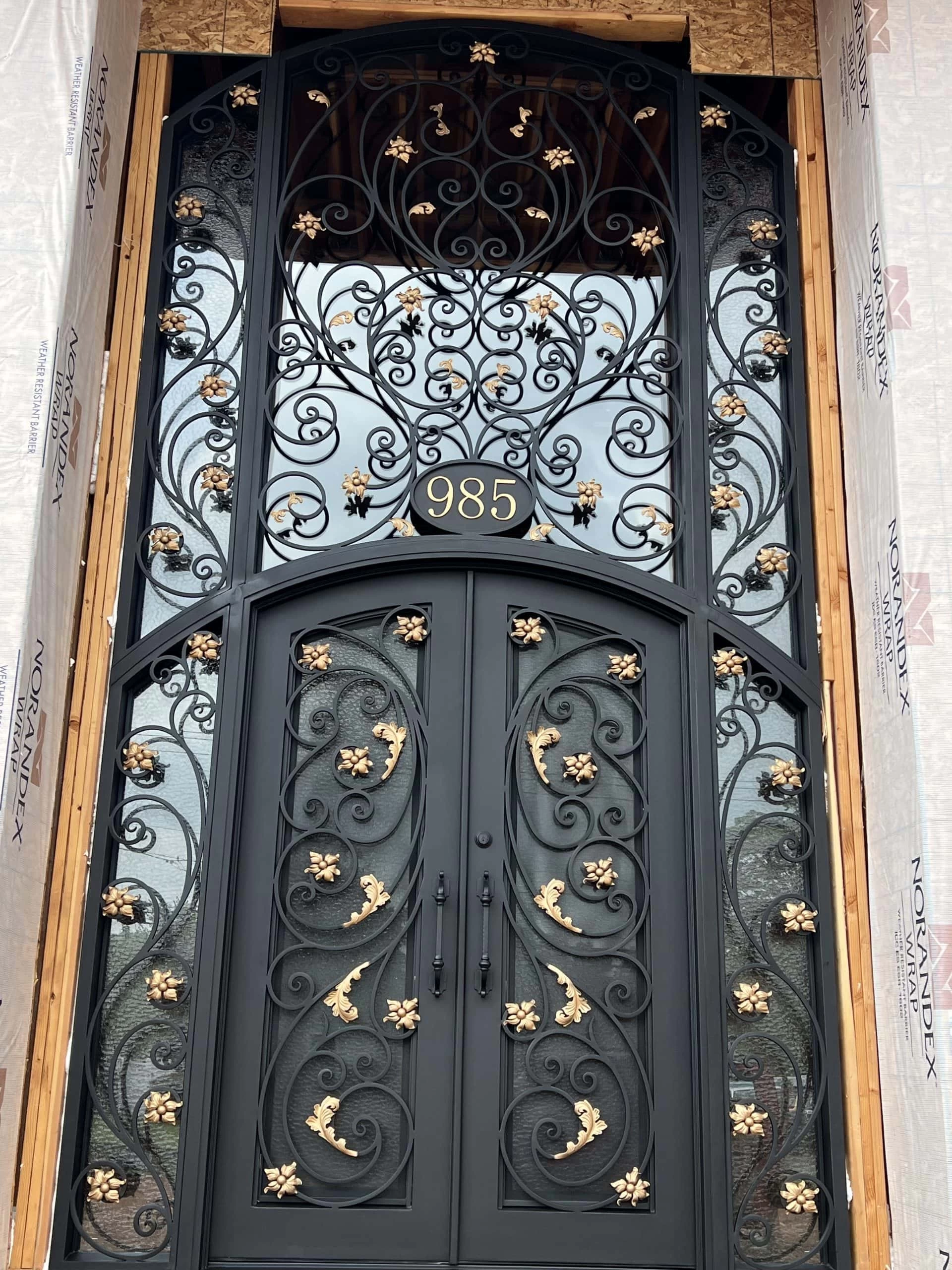
Material selection affects everything—how the door looks, how it performs in New Jersey’s climate, and how long it lasts.
Most luxury exterior doors use heavy-gauge steel or wrought iron as the primary structure. This provides strength, security, and resistance to physical damage. The metal gets treated with rust-resistant coatings and finished with powder coating that holds up to UV exposure, moisture, and temperature swings.
Glass options range from clear tempered glass to decorative patterns, frosted finishes, and even smart glass that can adjust transparency. Dual-pane or triple-pane glass improves insulation. Low-E coatings reduce heat transfer. And impact-resistant glass adds another layer of security.
Thermally broken iron doors address one of the main challenges with metal doors: thermal conductivity. Without a thermal break, metal conducts cold from the outside directly to the inside, creating condensation, ice buildup, and energy loss. A thermal break uses low-conductivity material placed between the interior and exterior metal surfaces to stop that heat transfer.
For homes in Essex County and other parts of New Jersey where winter temperatures regularly drop below freezing, thermally broken doors make a measurable difference. You’ll notice less condensation on the interior surface of the door. Your heating system won’t work as hard. And the door itself will last longer because you’re not dealing with moisture-related deterioration.
The finish you choose also impacts performance. Powder coating provides a durable, weather-resistant surface that doesn’t chip or fade the way paint does. You can select from a wide range of colors—matte black, oil-rubbed bronze, custom colors to match your home’s exterior. The finish gets baked on, creating a bond that holds up to New Jersey’s weather extremes.
Hardware matters too. High-quality hinges support the door’s weight and ensure smooth operation. Multi-point locking systems engage at multiple points along the door frame, distributing force and making forced entry significantly harder. And if you want smart lock integration, many luxury exterior doors can accommodate electronic multipoint locks that give you keyless entry, remote access, and integration with your home security system.
Security starts with the door. It’s the most common entry point for break-ins, and it’s also the place where most homeowners feel the most vulnerable.
Iron security doors for homes provide a level of protection that wood and fiberglass simply can’t match. The material itself resists kicking, prying, and forced entry. Add reinforced frames, multi-point locks, and quality installation, and you’ve created a barrier that deters most intruders before they even try.
The design doesn’t have to look like a fortress. Custom wrought iron security doors can be elegant, detailed, and architecturally appropriate while still delivering serious protection. Decorative scrollwork, glass inserts, and custom finishes let you maintain curb appeal without sacrificing security.
Multi-point locking systems engage the door at the top, middle, and bottom, distributing force across the entire frame rather than concentrating it at a single deadbolt. This makes the door significantly harder to force open. Some systems also include anti-lift pins that prevent the door from being removed from its hinges even if the hinge pins are accessible.
Electronic multipoint locks add another layer of convenience and control. You can lock and unlock the door remotely, grant temporary access to guests or service providers, and receive alerts when the door is opened. Multi point smart locks integrate with home automation systems, allowing you to control your entry door along with lights, cameras, and alarms.
Installation quality directly affects security performance. Even the strongest door won’t protect your home if it’s not properly anchored to the frame and structure. Professional installers use heavy-duty anchors, reinforce the door jamb, and ensure the strike plate is secured to the studs—not just the trim. They also adjust the door so it closes firmly without gaps that could be exploited.
For homeowners in urban areas or neighborhoods with higher crime rates, iron security doors provide peace of mind. You’re not just hoping your door holds. You know it will.
Custom wrought iron security doors can also serve as screen doors, giving you the option to leave your main door open for ventilation while maintaining security. This works especially well in the spring and fall when you want fresh air but don’t want to compromise safety.
If you’re upgrading your home’s security, the front door should be the first priority. It’s the most visible entry point and the one most likely to be tested. Investing in a quality iron security door addresses the problem directly and adds value to your home in the process.
Choosing a custom iron front door comes down to understanding what you actually need. Not what looks good in a catalog, but what works for your home’s architecture, your climate, and how you use your entrance every day.
New Jersey’s weather demands doors that can handle humidity, freeze-thaw cycles, and temperature swings without warping, cracking, or requiring constant maintenance. Custom wrought iron front doors deliver that durability while giving you control over design, finish, and functionality.
The process—from initial consultation through design, fabrication, and installation—ensures you end up with a door that fits correctly, operates smoothly, and performs as expected for decades. You’re working with professionals who understand local building requirements, climate challenges, and what it takes to install a door that actually lasts.
If you’re ready to move forward with a custom iron door for your Essex County home, we handle the entire process from design to installation. You’ll work with our in-house design team, get a dedicated project manager, and have our professionals install your door correctly the first time.
Article details:
Share:
Continue learning: