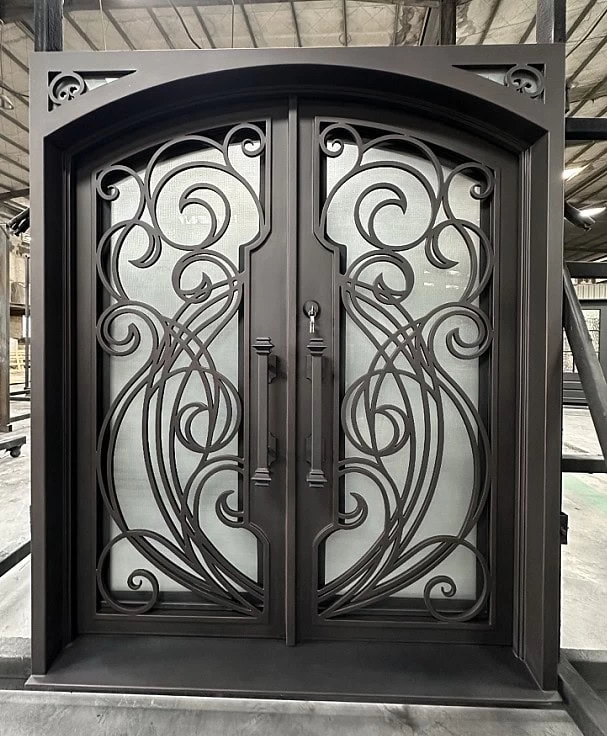
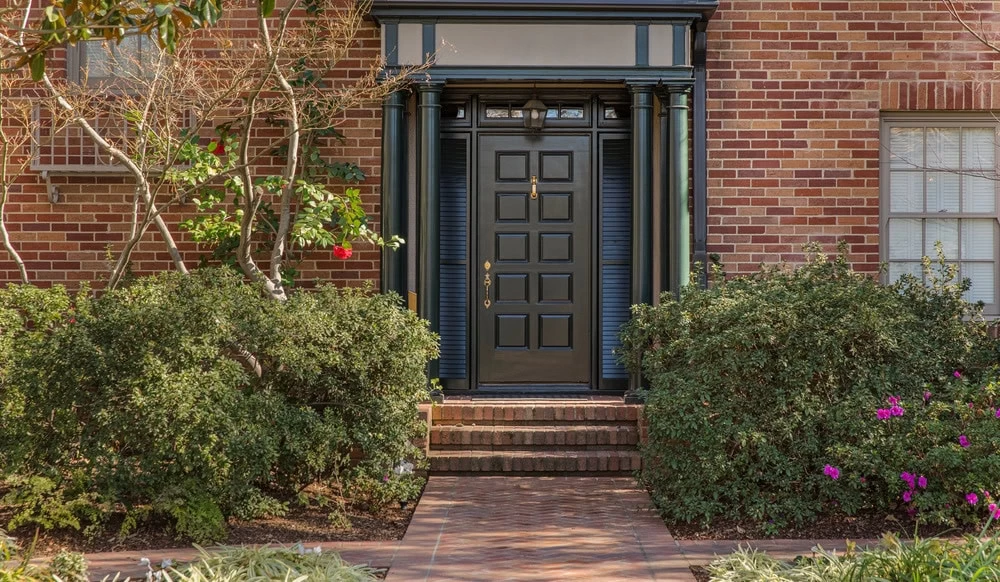
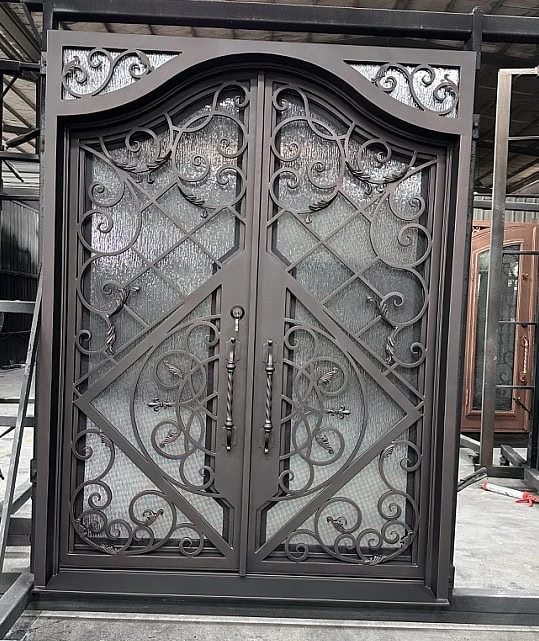
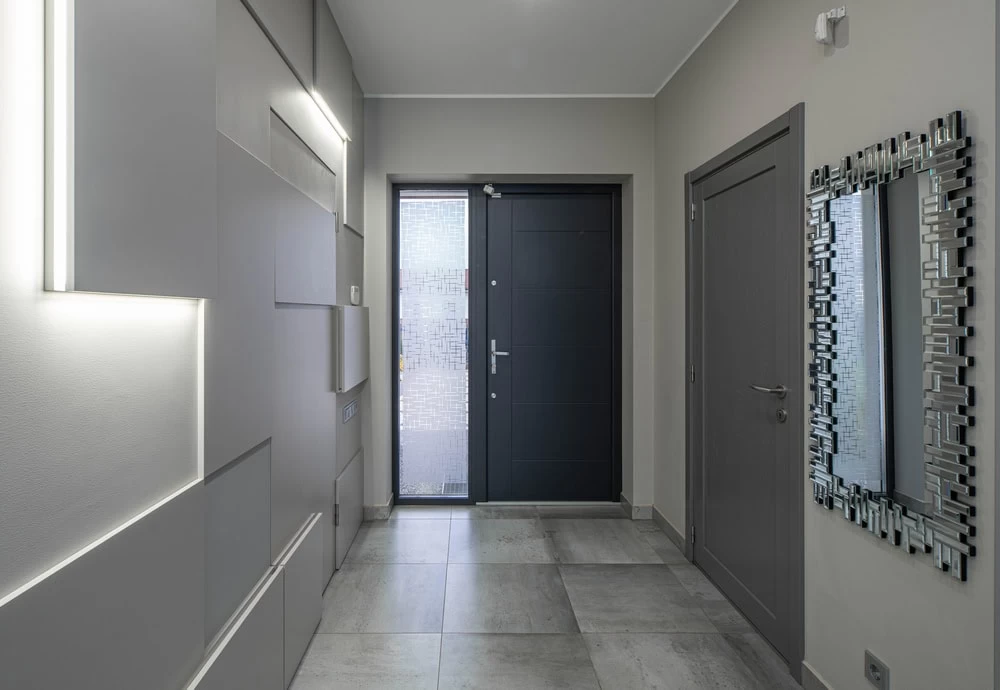
Steel doors bring sleek, industrial aesthetics to modern homes while delivering unmatched security and durability that lasts decades in New Jersey's demanding climate.
Share:

Summary:
Steel doors aren’t just metal slabs. They’re engineered systems designed to outperform wood, fiberglass, and vinyl on almost every measure that matters.
Most steel entry doors consist of a steel exterior wrapped around an insulated foam core, creating a door that’s both lightweight enough to operate smoothly and strong enough to resist forced entry. The steel skin is typically 20 to 24 gauge—the lower the number, the thicker and more durable the material. That construction gives you a door that won’t warp, crack, or rot like wood, and won’t dent as easily as you might think.
What really sets them apart is how they perform over time. Wood doors need regular sealing and repainting. Fiberglass can crack in extreme cold. Steel just keeps working, year after year, with minimal upkeep. For homeowners in Middlesex County, Bergen County, Monmouth County, or Essex County, NJ, that means a door that handles coastal humidity, winter freezes, and summer heat without losing its fit or finish.

There’s a reason slim steel frames and black steel entryways are everywhere right now. They work.
The industrial aesthetic isn’t just trendy—it’s versatile. Narrow steel profiles create clean sight lines that make spaces feel larger and let in more natural light. That minimalist look complements modern architecture beautifully, but it also adds character to traditional homes that need a contemporary update. Think of it as the difference between trying too hard and getting it exactly right.
Steel and glass combinations are particularly popular for interior applications. Modern metal interior doors with slim frames can separate rooms without blocking light or making spaces feel closed off. Wine cellars, home offices, pantries—these are places where a steel door adds function and style without overwhelming the design. The narrow stiles and rails that only steel can achieve create that sought-after look that wood or aluminum simply can’t replicate.
For exterior applications, black steel entryways make a statement without shouting. They frame your entrance with authority while letting architectural details shine. Whether your home is a sleek contemporary build or a classic colonial that needs a refresh, steel doors can be finished and configured to fit seamlessly.
The key is understanding that industrial doesn’t mean cold or unwelcoming. When done right, it means honest materials, clean design, and a level of craftsmanship that speaks for itself. It’s about removing the unnecessary and letting quality stand on its own. That’s why these doors work across so many different home styles—they’re not trying to be something they’re not.
There’s a reason slim steel frames and black steel entryways are everywhere right now. They work.
The industrial aesthetic isn’t just trendy—it’s versatile. Narrow steel profiles create clean sight lines that make spaces feel larger and let in more natural light. That minimalist look complements modern architecture beautifully, but it also adds character to traditional homes that need a contemporary update. Think of it as the difference between trying too hard and getting it exactly right.
Steel and glass combinations are particularly popular for interior applications. Modern metal interior doors with slim frames can separate rooms without blocking light or making spaces feel closed off. Wine cellars, home offices, pantries—these are places where a steel door adds function and style without overwhelming the design. The narrow stiles and rails that only steel can achieve create that sought-after look that wood or aluminum simply can’t replicate.
For exterior applications, black steel entryways make a statement without shouting. They frame your entrance with authority while letting architectural details shine. Whether your home is a sleek contemporary build or a classic colonial that needs a refresh, steel doors can be finished and configured to fit seamlessly.
The key is understanding that industrial doesn’t mean cold or unwelcoming. When done right, it means honest materials, clean design, and a level of craftsmanship that speaks for itself. It’s about removing the unnecessary and letting quality stand on its own. That’s why these doors work across so many different home styles—they’re not trying to be something they’re not.
Want live answers?
Connect with a Iron Door Kings expert for fast, friendly support.
Steel doors work differently depending on where you install them. The priorities shift between exterior and interior applications, and understanding those differences helps you make better choices.
Exterior steel doors prioritize security, weather resistance, and energy efficiency. These are your front doors, back doors, and any entry point that faces the elements. They need insulated cores, weatherstripping, and finishes that resist moisture and UV damage. The focus is on creating a barrier that protects your home while looking good doing it.
Interior steel doors emphasize aesthetics and light. These are the doors that separate rooms, define spaces, or add architectural interest. Security matters less than style, which opens up options for larger glass panels, slimmer frames, and more dramatic designs. Modern metal interior doors with steel and glass combinations let you create visual separation without sacrificing openness or natural light.

Custom steel doors give you control over every detail. Not just color and hardware—the entire design.
Start with the frame profile. Slim steel frames create that coveted minimalist look, with sight lines as narrow as 50mm that maximize glass area and views. Thicker profiles offer more traditional proportions and additional structural support for larger doors or enhanced insulation. The choice depends on your home’s architecture and your priorities around light, views, and thermal performance.
Glass selection matters more than most people realize. Clear glass maximizes light and views but offers zero privacy. Frosted or textured glass maintains light transmission while obscuring what’s behind the door. Tinted or low-E glass improves energy efficiency. For interior applications, you might want reeded, fluted, or patterned glass that adds visual interest while maintaining some transparency. Each option changes how the door functions and feels in the space.
Configuration options include single doors, double doors, doors with sidelights, and doors with transoms. Pivot doors create dramatic entrances with smooth operation and impressive scale. French door configurations work beautifully for connecting indoor and outdoor spaces. Fixed panels can extend the steel and glass aesthetic across entire walls, creating room dividers that feel more like architectural features than doors.
Hardware choices affect both function and appearance. Handles, hinges, and locks come in various finishes—black, bronze, brass, stainless steel, or custom powder-coated colors. The hardware style should complement your home’s overall design language. Modern homes typically look best with minimal, streamlined hardware. Traditional homes might benefit from more substantial pieces with classic detailing.
Finish options extend beyond standard paint colors. Raw steel develops a natural patina over time, creating an evolving aesthetic that some homeowners love. Powder-coated finishes offer durability and come in virtually any color. Some manufacturers offer wood-look finishes that combine steel’s performance with wood’s visual warmth, though purists usually prefer honest materials that don’t pretend to be something else.
For homes in Essex County and Bergen County where architectural styles vary widely, customization ensures your steel doors enhance rather than fight your home’s existing character. A contemporary home might feature floor-to-ceiling black steel doors with minimal frames and maximum glass. A transitional home could use steel doors with more traditional proportions and warmer finishes. The material adapts to the design, not the other way around.
Steel door installation isn’t a DIY project. The weight, precision requirements, and structural considerations demand professional expertise.
The doors are heavy—significantly heavier than wood or fiberglass alternatives. That weight requires proper structural support. Older homes may need reinforced framing to handle the load without sagging over time. We verify that walls and headers can support the door’s weight before installation begins. Skipping this step leads to problems down the road: doors that don’t close properly, frames that crack, and gaps that compromise both security and energy efficiency.
Proper installation starts with accurate measurements. Steel doors can’t be trimmed to fit like wood doors. The opening needs to match the door, not the other way around. We measure the rough opening after all finish work—plastering, flooring, trim—is complete. We account for the door frame, weatherstripping, and clearances needed for smooth operation. Getting these measurements wrong means ordering a door that doesn’t fit.
The installation process involves more than just hanging a door. We ensure the frame is perfectly level and plumb. Even small deviations affect how the door operates and seals. We install shims to support the frame, then secure it to the structural framing with appropriate fasteners. Weatherstripping gets installed around the entire perimeter, and the threshold gets sealed to prevent water infiltration.
For exterior installations in New Jersey, proper weatherproofing is critical. We create a weather-resistant barrier around the frame, seal all penetrations, and ensure water drains away from the threshold rather than pooling against it. Interior installations are less demanding but still require precision to ensure smooth operation and proper alignment with surrounding trim.
We protect your home during the work. We cover floors, walls, and adjacent surfaces to prevent damage from tools and materials. We remove old doors carefully and dispose of them properly. We test the new door’s operation thoroughly before considering the job complete, checking that it opens and closes smoothly, locks securely, and seals properly around the entire perimeter.
The timeline varies based on whether you’re installing a pre-hung unit or a custom door. Pre-hung steel doors can often be installed in a single day once they arrive. Custom doors require fabrication time—typically six to eight weeks—before installation can begin. The actual installation still happens in a day, but the total project timeline extends due to the manufacturing process.
For homeowners in Middlesex County and Monmouth County, working with installers who have experience in steel doors makes a significant difference. These aren’t standard residential doors, and installers who primarily work with wood or fiberglass may not have the specialized knowledge needed to handle the weight, ensure proper structural support, and achieve the precise fit that steel doors require.
Steel doors deliver on multiple fronts: security that actually protects your family, durability that outlasts cheaper alternatives by decades, energy efficiency that cuts your utility bills, and aesthetics that make your home the one people remember on the street. They handle New Jersey’s climate without the constant maintenance that wood demands or the brittleness that can affect fiberglass. The industrial style works across architectural types, from modern builds to traditional homes that need a contemporary update.
The investment makes sense when you consider longevity and peace of mind. These doors can last 30 to 100 years with minimal maintenance—just occasional cleaning and touch-up painting if needed. Compare that to wood doors that need refinishing every few years and may need replacement within 10 to 15 years. The math works in steel’s favor, but so does the confidence of knowing your entrance is secure, weathertight, and performing exactly as it should.
What matters most is working with professionals who understand both the product and your local conditions. Steel doors require proper installation, high-grade materials, and finishes designed for harsh climates. At Iron Door Kings, we handle every step—design consultation, custom fabrication using premium materials, and professional installation by our experienced crews—with the expertise that comes from specializing in these products for homeowners throughout Middlesex County, Bergen County, Monmouth County, and Essex County, NJ.
Article details:
Share:
Continue learning: