The right custom door isn't just about looks—it's about creating real value. Here's what actually matters when choosing personalized exterior design for your New Jersey home.
Share:
Summary:
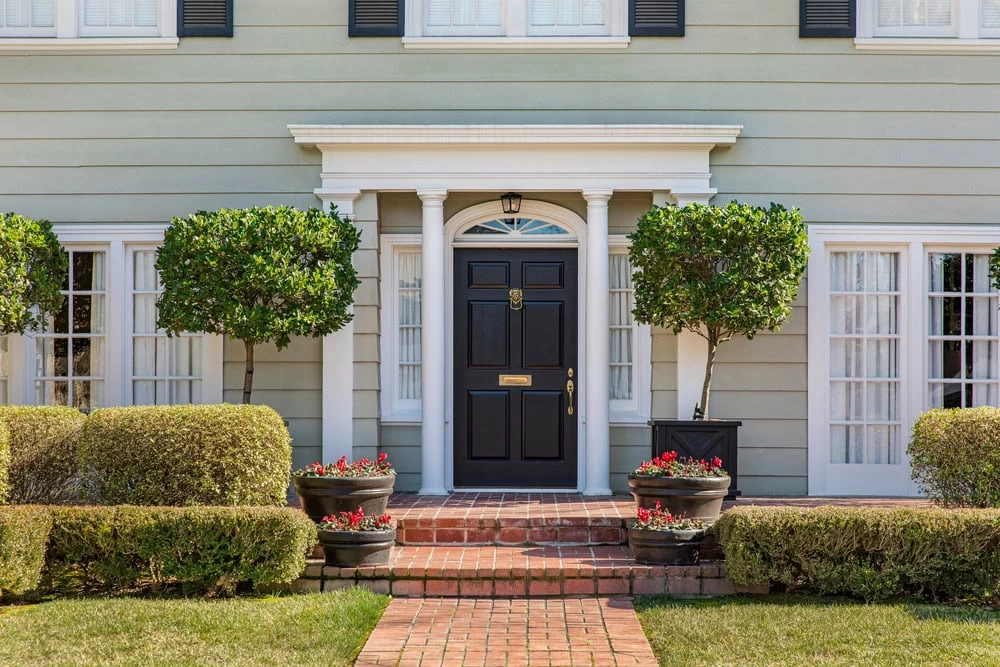
The numbers tell a clear story. Steel entry door replacements deliver between 188% and 216% ROI, meaning you’re not just recovering your investment—you’re making money. That’s not marketing spin. That’s data from housing market research firms tracking real transactions.
But ROI isn’t the only factor. Curb appeal alone can increase property value by 7%, and your front door is the focal point of that first impression. When buyers pull up to your home, they’re forming opinions before they even step inside. A custom door signals quality, attention to detail, and a homeowner who cares about their property.
In competitive New Jersey markets, where homes often sit in similar price ranges with similar square footage, differentiation matters. Custom doors give you that edge.
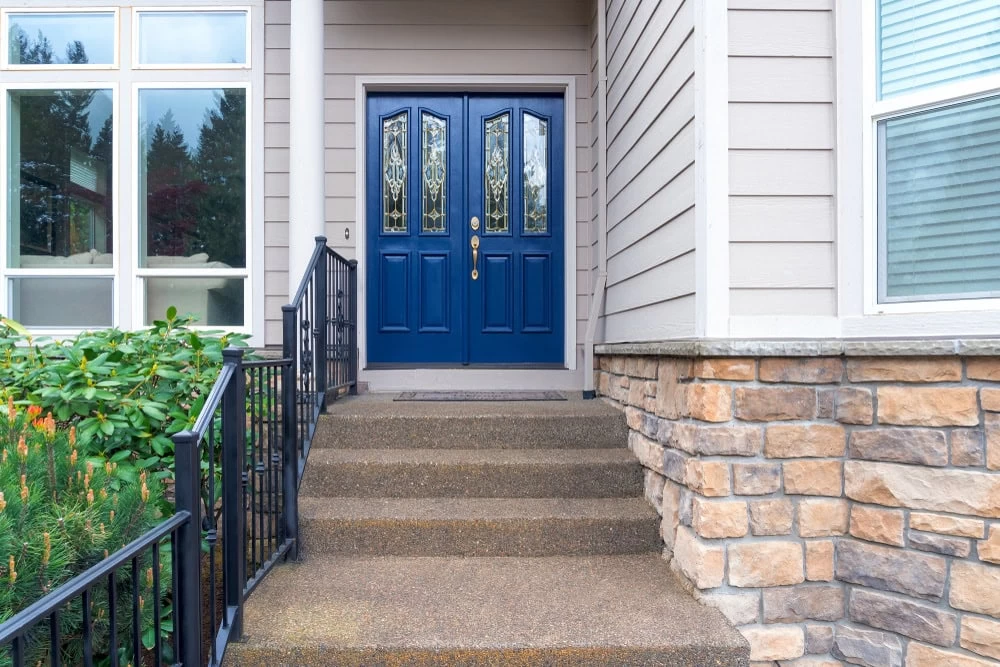
Standard doors are built for efficiency, not excellence. They’re mass-produced to fit the most common dimensions, finished in the most popular colors, and designed to appeal to the broadest possible audience. That’s fine if you want your home to blend in.
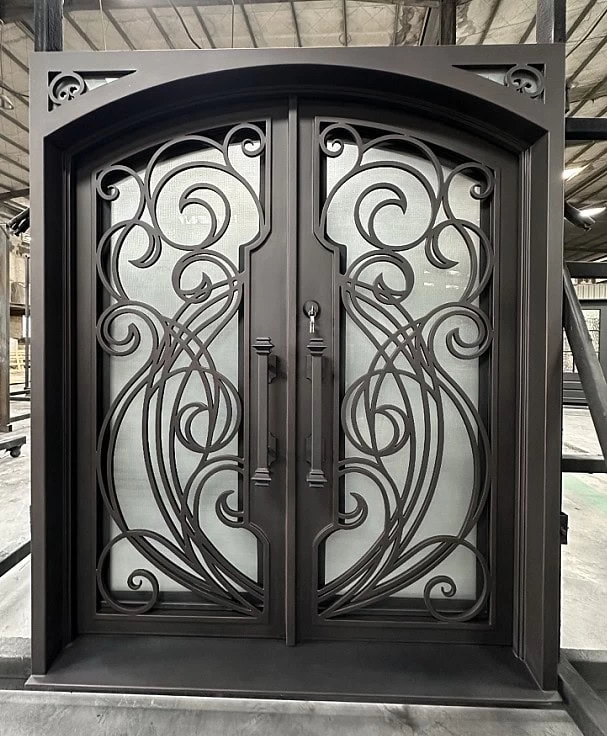
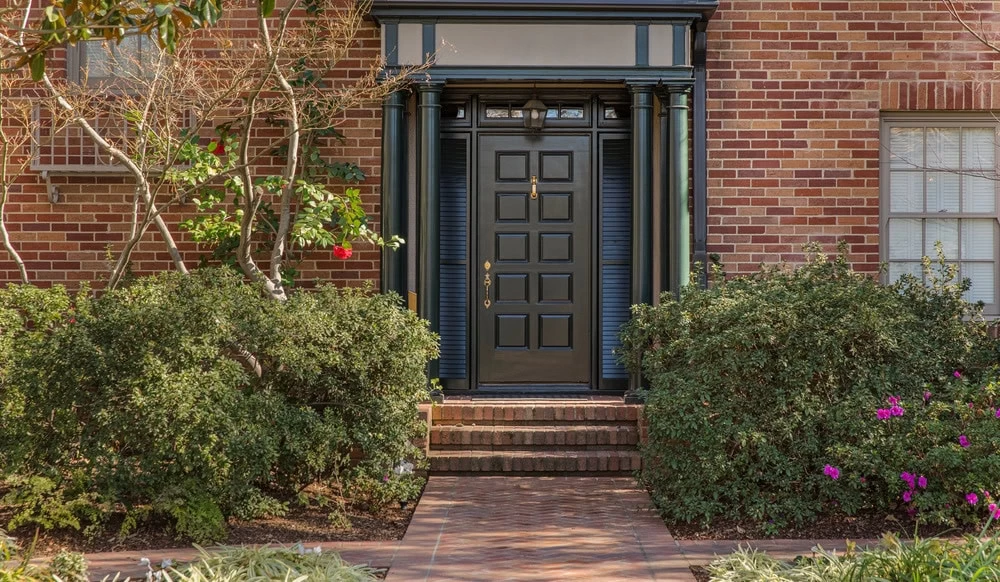
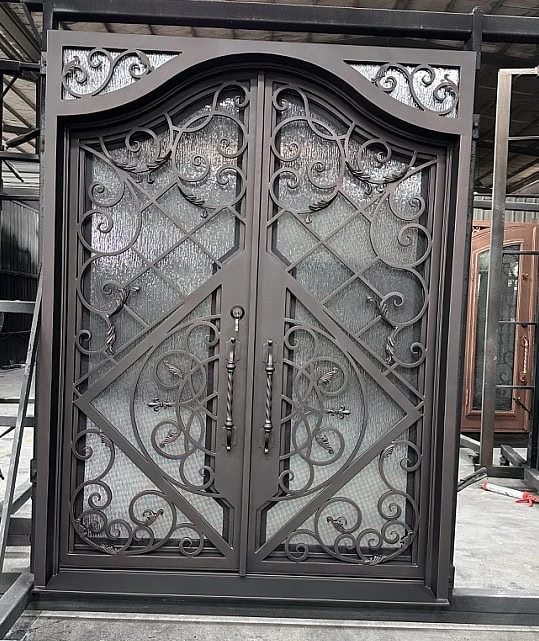
Custom doors are built differently. You’re choosing the materials, the finish, the glass type, the hardware, and every design detail down to the scrollwork. That level of personalization means your door complements your home’s specific architectural style—whether you’re working with a colonial in Middlesex County or a contemporary build in Bergen County.
The practical advantages matter just as much. Custom doors are measured and fabricated for your exact opening, which means no gaps, no drafts, and better energy efficiency. Standard doors often require modifications to fit properly, and those gaps add up on your energy bills. Custom-fit doors eliminate those issues from the start.
There’s also the durability factor. Iron doors don’t warp, split, or deteriorate the way wood doors do. They handle New Jersey’s humidity, temperature swings, and coastal conditions without constant maintenance. You’re not repainting every few years or dealing with rot. You’re installing something that lasts decades with minimal upkeep.
And when it comes time to sell, buyers notice. A custom iron door isn’t just functional—it’s a statement about the quality of the entire property. It suggests that if the homeowner invested in a high-end entrance, they probably took care of everything else too.
Standard doors are built for efficiency, not excellence. They’re mass-produced to fit the most common dimensions, finished in the most popular colors, and designed to appeal to the broadest possible audience. That’s fine if you want your home to blend in.
Custom doors are built differently. You’re choosing the materials, the finish, the glass type, the hardware, and every design detail down to the scrollwork. That level of personalization means your door complements your home’s specific architectural style—whether you’re working with a colonial in Middlesex County or a contemporary build in Bergen County.
The practical advantages matter just as much. Custom doors are measured and fabricated for your exact opening, which means no gaps, no drafts, and better energy efficiency. Standard doors often require modifications to fit properly, and those gaps add up on your energy bills. Custom-fit doors eliminate those issues from the start.
There’s also the durability factor. Iron doors don’t warp, split, or deteriorate the way wood doors do. They handle New Jersey’s humidity, temperature swings, and coastal conditions without constant maintenance. You’re not repainting every few years or dealing with rot. You’re installing something that lasts decades with minimal upkeep.
And when it comes time to sell, buyers notice. A custom iron door isn’t just functional—it’s a statement about the quality of the entire property. It suggests that if the homeowner invested in a high-end entrance, they probably took care of everything else too.
Want live answers?
Connect with a Iron Door Kings expert for fast, friendly support.
Personalized design isn’t about making your home look expensive. It’s about making it look intentional. There’s a difference.
When you choose a custom door, you’re working with designers who understand architectural styles, proportions, and how different elements work together. A door that looks stunning on a modern home in Monmouth County might look completely out of place on a traditional colonial in Essex County. Custom design ensures the door enhances your home’s existing character rather than fighting against it.
That level of cohesion matters to buyers. Homes that feel thoughtfully designed sell faster and command higher prices than homes that feel like a collection of random upgrades. A custom door sets the tone for everything that follows.
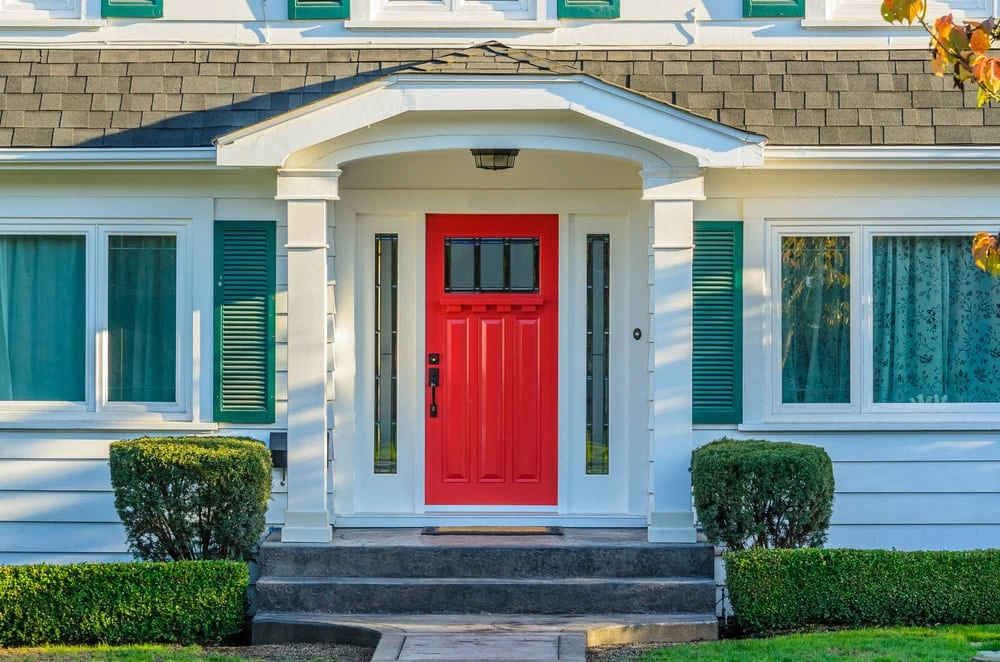
One of the biggest concerns homeowners have about customization is whether they’re making choices that future buyers will appreciate. It’s a valid question. Over-personalization can hurt resale value if you choose designs that only appeal to a narrow audience.
Custom doors, when done well, avoid that trap. You’re not adding neon colors or unconventional shapes. You’re selecting materials, finishes, and design elements that complement your home’s architecture and fit within the aesthetic norms of your neighborhood. That’s the sweet spot: distinctive enough to stand out, classic enough to have broad appeal.
The key is working with designers who understand local markets. In Middlesex, Bergen, Monmouth, and Essex Counties, certain architectural styles dominate. Colonials, contemporaries, craftsman homes, and mid-century builds all have different design languages. A good designer matches the door to the home, not the other way around.
Durability also plays into long-term value. Iron doors maintain their appearance and structural integrity far longer than wood or fiberglass. Wood doors require regular maintenance—sealing, painting, repairing damage from moisture or insects. Fiberglass can crack or fade. Iron doors, when properly finished and installed, stay looking new with minimal effort.
That longevity matters to buyers. They’re not just buying a door that looks good today. They’re buying a door that will still look good in ten years without constant upkeep. That’s a selling point that resonates, especially with buyers who don’t want to deal with high-maintenance features.
There’s also the psychological factor. A custom door signals that the homeowner cared about quality. It’s a small detail that creates a larger impression. Buyers start thinking, “If they invested this much in the entrance, what else did they do well?” That halo effect can influence how they perceive the entire property.
Certain design choices consistently perform well across different buyer demographics. Clean lines, quality materials, and finishes that complement the home’s exterior all contribute to broad appeal. Overly ornate designs can be polarizing—some buyers love them, others find them dated. Simpler, more timeless designs tend to attract a wider audience.
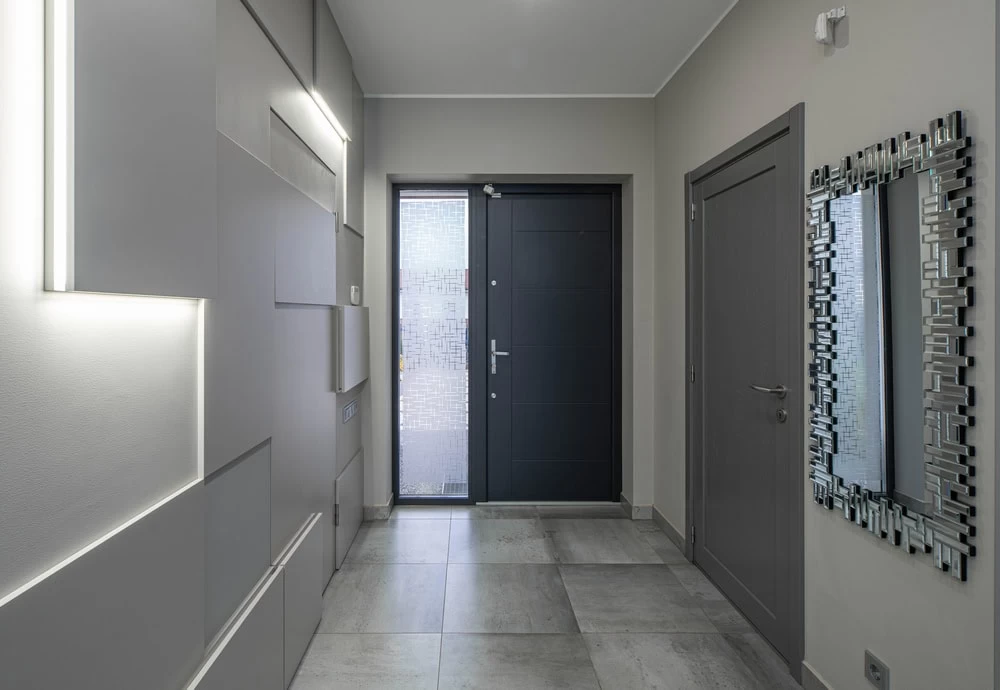
Glass is another consideration. Doors with glass panels allow natural light into the entryway, which most buyers appreciate. But the glass type matters. Clear glass offers maximum light but minimal privacy. Textured or frosted glass provides a balance. Security glass adds protection without sacrificing aesthetics. The right choice depends on your home’s layout and your priorities.
Hardware is often overlooked but makes a bigger impact than most homeowners realize. Cheap hardware looks cheap, and buyers notice. Quality handles, hinges, and locking mechanisms not only function better—they also signal attention to detail. It’s a small investment that pays off in perceived value.
Color and finish choices should complement your home’s existing palette. If your home has warm tones, a door with a warm finish will look cohesive. Cool-toned homes pair better with cooler finishes. Matching doesn’t mean identical—it means harmonious. We can help you find that balance.
The installation quality is just as important as the door itself. Proper alignment, weatherstripping, and sealing all affect how the door performs and how it looks. Gaps around the frame, uneven spacing, or hardware that doesn’t operate smoothly all detract from the overall impression. Professional installation ensures everything works as intended.
One last factor: proportions. A door that’s too small for the opening looks awkward. A door that’s too large overwhelms the facade. Custom doors are sized to fit your specific opening, which means the proportions are always right. That might sound like a minor detail, but it’s the kind of thing that separates a good-looking entrance from a great one.
Custom doors deliver measurable returns while giving your home the kind of character that off-the-shelf options can’t match. The ROI is real—188% to 216% for steel entry doors —and the impact on curb appeal is immediate. But beyond the numbers, you’re investing in something you’ll see and use every day.
In Middlesex, Bergen, Monmouth, and Essex Counties, where home values are competitive and buyers have options, differentiation matters. A custom door sets your home apart while signaling quality, attention to detail, and thoughtful design. It’s one of the smartest investments you can make, whether you’re planning to sell next year or stay for the next decade.
If you’re ready to explore what’s possible for your home’s entrance, we specialize in custom iron doors designed for New Jersey homes. From initial design consultation to professional installation, the process is straightforward, and the results speak for themselves.
Article details:
Share:
Continue learning: