Iron custom doors offer unlimited design possibilities for Essex County, NJ homeowners. Explore how custom wrought iron doors combine security, style, and personalization for your unique entrance.
Share:
Summary:
Your front door gets seen every single day. By you, by visitors, by anyone walking past your home. And if you’re like most homeowners in Essex County, NJ, you’ve probably noticed that standard doors all start to look the same after a while.
Iron custom doors change that. They give you the freedom to design an entrance that actually fits your home’s architecture and your personal style—not just what happens to be in stock at the big box store. You get to choose the patterns, the glass, the finish, the hardware. Everything.
But beyond aesthetics, custom iron doors solve real problems. They hold up against New Jersey weather. They provide security that wood and fiberglass can’t touch. And they require far less maintenance than you’d expect. Let’s talk about what makes these doors different and whether they’re the right fit for your home.
The difference between a standard door and a custom iron door comes down to control. With a standard door, you’re choosing from a handful of pre-made designs. With iron custom doors, you’re starting with a blank slate.
That means you can match your home’s existing architecture instead of forcing a door that doesn’t quite fit. Victorian home with arched entryways? Your door can follow that curve. Modern build with clean horizontal lines? Your design reflects that aesthetic. The door becomes part of your home’s story, not an afterthought.
Custom also means you’re not limited by size. If your entryway is wider or taller than standard dimensions, a custom iron door fits without awkward gaps or structural compromises. And if you want sidelights, transoms, or specific glass patterns, those get built into the design from the start.
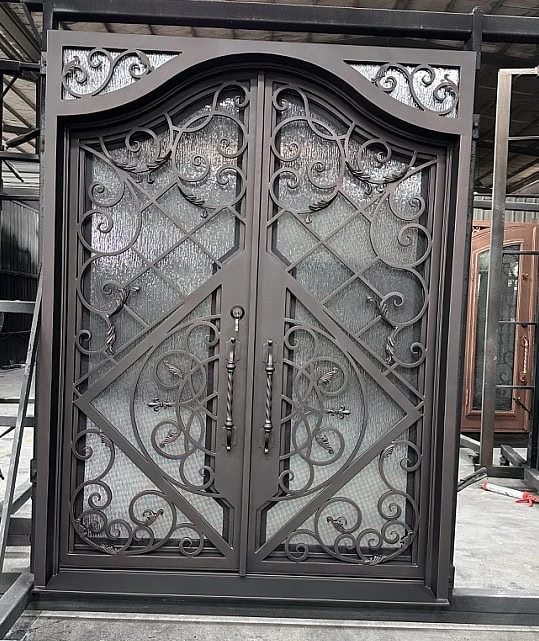
One of the biggest misconceptions about iron doors is that they only work with certain home styles. People assume they’re too ornate for modern homes or too industrial for traditional architecture. That’s not how it works anymore.
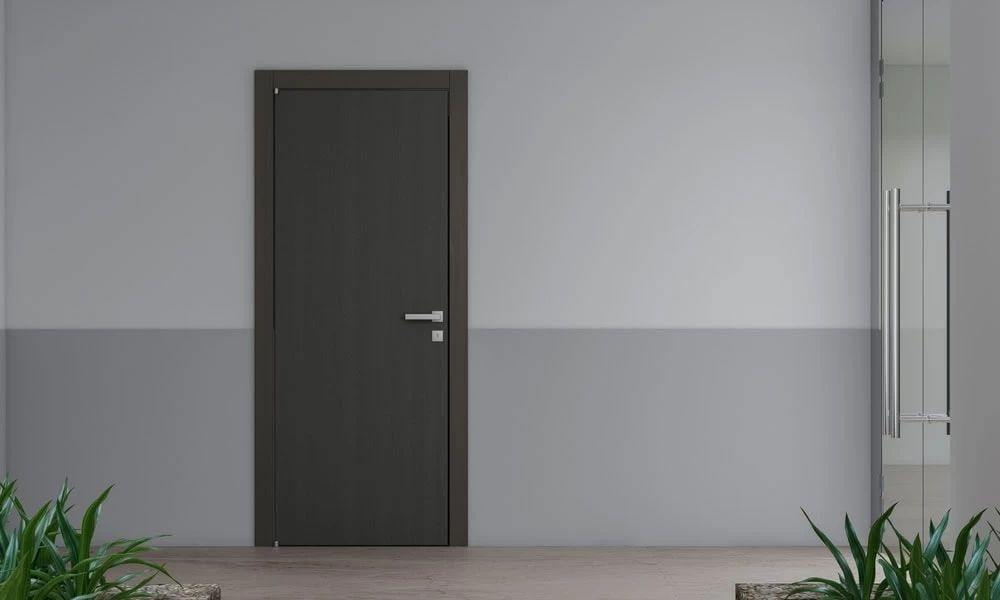
Modern iron door designs in 2026 focus on clean lines and minimalist profiles. Slim steel frames with large glass panels bring in natural light while maintaining the strength iron provides. Matte black finishes pair beautifully with contemporary exteriors. No scrollwork, no unnecessary details—just strong, simple design.
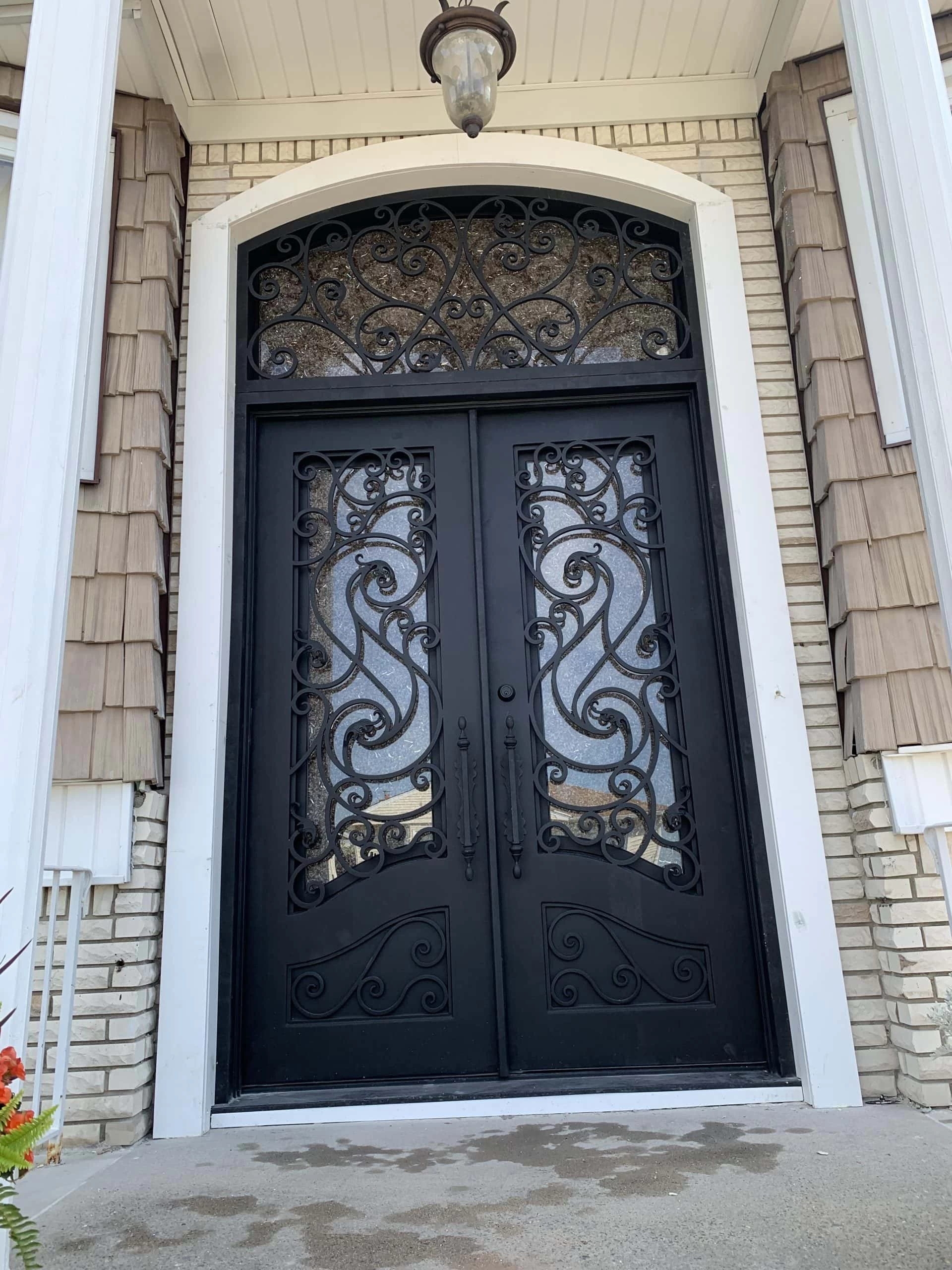
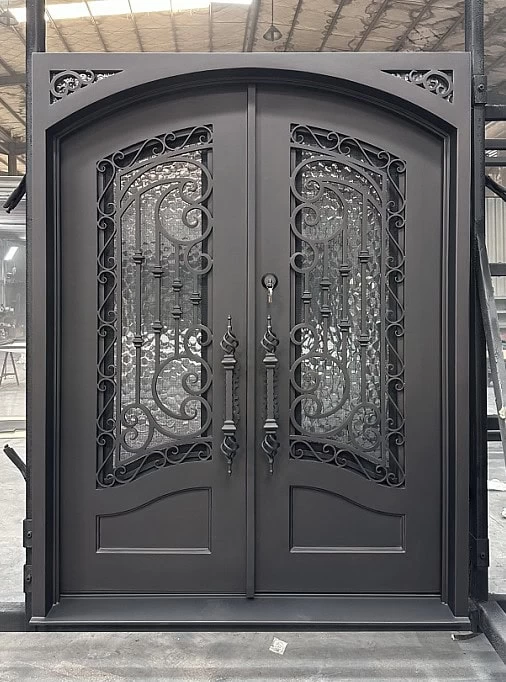
On the other end of the spectrum, traditional wrought iron custom doors still have their place. Homes with Mediterranean, Spanish Colonial, or Victorian architecture benefit from detailed scrollwork and ornate patterns. Bronze and copper finishes add warmth. Textured glass provides privacy while allowing light through.
The key is matching the door design to your home’s existing character. A custom design process lets you do that. You’re not trying to make a pre-made door work—you’re creating something that belongs there from the beginning.
And for homes that blend styles, transitional iron doors bridge the gap. They combine straight lines with subtle curves, or pair classic ironwork with streamlined frames. This approach works especially well in Essex County, NJ, where you see everything from historic homes in Montclair to newer construction in Livingston.
Glass selection plays a bigger role than most people realize. Clear glass maximizes light and views. Frosted or textured glass maintains privacy without blocking natural light completely. Some homeowners choose decorative glass that adds visual interest while complementing the iron’s design. The glass becomes part of the overall aesthetic, not just a functional component.
Finish options have expanded significantly beyond basic black. While matte black remains popular for its contemporary appeal, you can now find custom rod iron doors in bronze, copper, pewter, and even custom colors matched to your home’s exterior palette. Some finishes include hand-applied patinas that create depth and character, giving new doors an aged, timeless appearance.
The design process for iron custom doors isn’t as complicated as you might think. It starts with understanding what you need and what you want—and those aren’t always the same thing.
First, we measure your existing entryway. Standard single doors are typically 36 inches wide, but custom doors can be 42 inches or wider if your space allows it. Double doors usually span 60 to 72 inches. If your opening is non-standard, that’s where custom really matters. You’re not trying to retrofit a door that doesn’t quite fit.
Next comes style selection. This is where you decide between modern minimalist, traditional ornate, or something in between. Our in-house design team can show you examples and help you visualize how different styles look with your home’s exterior. You’re not guessing—you’re seeing actual designs that work with your architecture.
Then you choose specifics. What kind of glass do you want? Clear, frosted, textured, or decorative? What finish works best—matte black, bronze, brushed steel, or a custom color? What hardware style fits your aesthetic? These decisions shape the final product.
The fabrication process takes several weeks. Custom iron doors are built to order, not pulled from inventory. That timeline accounts for design finalization, material sourcing, fabrication, finishing, and quality checks. Most projects from design approval to installation take 6 to 10 weeks.
Installation itself usually takes 4 to 6 hours. Our professional installers remove your old door, prepare the opening, install the new frame and door, and handle all weatherproofing. We make sure the door operates smoothly, locks properly, and seals completely. You’re not dealing with gaps, drafts, or alignment issues down the road.
One thing that surprises homeowners is how much customization is possible even within budget constraints. You don’t need the most expensive materials or the most complex design to get a door that looks custom and functions well. Smart design choices—like focusing on proportions and clean lines rather than excessive ornamentation—deliver impact without unnecessary cost.
And if you’re working with an existing architectural style, our design team can match details you already have. Maybe your home has specific ironwork on railings or balconies. Your door can echo those patterns. Or if you’re updating multiple entrances, all the doors can share design elements while fitting their specific locations.
For homeowners in Essex County, NJ, working with a local team means we understand the area’s building codes and architectural styles. Your installation meets all regulatory standards while complementing your home’s design. You’re not dealing with generic solutions that ignore local requirements or aesthetic norms.
Want live answers?
Connect with a Iron Door Kings expert for fast, friendly support.
When people talk about iron custom doors, they’re usually referring to one of two construction methods: traditional wrought iron or modern steel. Both deliver strength and durability, but they have different characteristics.
Wrought iron doors feature hand-forged details and scrollwork. The material is worked by hand to create curves, patterns, and decorative elements. This approach works well for traditional and Mediterranean-style homes where ornate details enhance the architecture. The craftsmanship is visible in every curve and weld.
Modern steel doors use cleaner fabrication methods. Steel allows for thinner profiles and larger glass sections while maintaining structural strength. These doors fit contemporary and transitional architecture where the focus is on proportion and simplicity rather than decoration. The material itself becomes the statement.
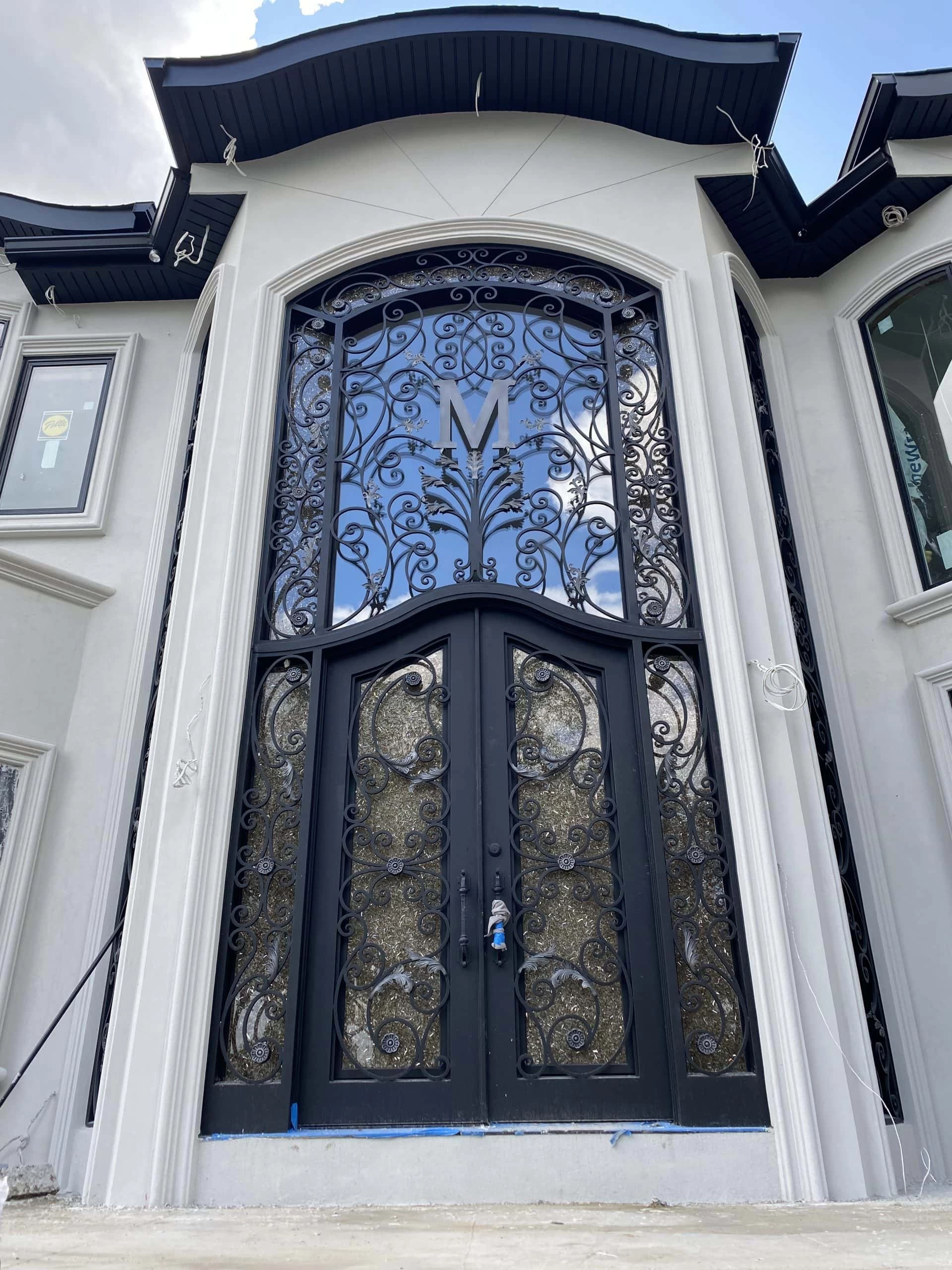
Both wrought iron and steel deliver security far beyond wood or fiberglass doors. The question isn’t whether they’re strong enough—it’s which construction method fits your needs better.
Steel doors can withstand constant rain, strong winds, and UV exposure without warping, cracking, or fading. Modern steel construction includes anti-rust protection coatings that extend the door’s life even in humid climates like New Jersey. You’re looking at 30 to 100 years of durability with proper installation and minimal maintenance.
Wrought iron custom doors offer similar longevity but require attention to finishes. The hand-forged nature of wrought iron means more surface area where moisture could potentially cause issues if the protective coating is compromised. Regular inspection and occasional touch-ups keep these doors looking and functioning perfectly for generations.
Security comes down to construction quality more than material choice. Both wrought iron and steel doors can accommodate multi-point locking systems, reinforced frames, and security-grade glass. The door’s weight and solid construction deter break-ins—most burglars move on when they realize they can’t kick through the door in seconds.
Every 25 seconds, another home in America gets broken into, with 34% of those burglars walking straight through the front door. Wood doors typically weigh around 50 pounds, and a determined intruder with a decent kick can splinter the frame or crack the door itself. Iron custom doors change that equation entirely. The sheer weight and construction make forced entry exponentially more difficult.
One practical difference is weight. Wrought iron doors with extensive scrollwork can be significantly heavier than steel doors with minimal ornamentation. That weight requires proper framing and professional installation. You can’t just hang these doors like you would a standard residential door. The frame needs to support the load, and hinges need to be commercial-grade.
Energy efficiency varies based on construction details rather than material. Both types can include insulated cores that reduce heat transfer. Thermal breaks—barriers that prevent heat conduction through the metal—make a significant difference in extreme temperatures. If you’re in an area with harsh winters or hot summers, thermal breaks are worth considering regardless of whether you choose wrought iron or steel.
Glass selection impacts energy efficiency as much as the metal itself. Double-pane insulated glass with Low-E coatings reduces heat transfer while allowing natural light through. Some homeowners opt for impact-resistant glass that provides hurricane protection and additional security. The glass becomes part of the door’s overall performance, not just its appearance.
For homes in Essex County, NJ, where humid summers and cold winters are the norm, proper insulation and weatherproofing make a real difference in energy bills. Poorly sealed doors waste energy as cold air leaks out in summer and warm air escapes in winter, forcing your HVAC system to work harder. Energy-efficient doors can cut heating and cooling costs by 10% to 20%—that’s $100 to $300 saved each year for most homes.
One of the biggest advantages of iron custom doors is how little maintenance they actually require. If you’re coming from wood doors that need repainting every few years, the difference is dramatic.
Regular cleaning involves mild soap and water. You’re removing dirt, pollen, and any buildup that accumulates over time. Most homeowners do this twice a year—once in spring, once in fall. It takes maybe 15 minutes and keeps the door looking fresh.
Annual maintenance includes checking and lubricating hinges and locks. A few drops of lubricant on moving parts ensures smooth operation. You’re also inspecting the weatherstripping to make sure seals remain intact. If you notice any small scratches or chips in the finish, touching them up with matching paint prevents moisture from reaching the metal underneath.
That’s it. You’re not sanding, staining, or repainting. You’re not dealing with rot, warping, or structural issues. The door does its job year after year with minimal intervention.
The protective coatings applied during fabrication do most of the heavy lifting. High-quality powder coating or specialized paint creates a barrier between the metal and the environment. These finishes resist rust, corrosion, and UV damage far better than traditional paint on wood doors.
In coastal areas or regions with high humidity, you might inspect the door more frequently. Salt air accelerates corrosion, so staying ahead of any finish issues matters more. But even in these conditions, iron doors with proper coatings perform well. The key is addressing small problems before they become big ones.
For homeowners who want even less maintenance, some finishes include self-healing properties or additional UV protection. These premium options cost more upfront but extend the time between any required touch-ups. You’re weighing initial investment against long-term convenience.
One maintenance task people forget about is cleaning the glass. Iron custom doors often feature substantial glass sections, and keeping those clean makes a noticeable difference in appearance. Standard glass cleaner works fine—you’re just maintaining visibility and letting natural light through as intended.
Unlike wood doors that warp through humid New Jersey summers and require repainting every couple years, a properly finished iron door maintains its appearance with minimal effort. That time savings adds up significantly over the door’s 30-plus-year lifespan.
Iron custom doors give you design freedom, security, and durability that standard options can’t match. Whether you’re drawn to ornate wrought iron scrollwork or clean modern steel lines, the right door fits your home’s architecture and your personal style.
The design process isn’t as complicated as it might seem. You’re working with professionals who understand how to translate your vision into a functional, beautiful entrance. And once installed, these doors require minimal maintenance while performing well for decades.
If you’re ready to move beyond mass-produced options and create an entrance that actually reflects your home, we can help you design and install iron custom doors built specifically for your Essex County, NJ property.
Article details:
Share:
Continue learning: