Multi point mortise locks offer Essex County homeowners advanced security through multiple locking points. Learn how these systems work with heavy iron doors and modern smart technology.
Share:
Summary:
Your iron door is only as secure as the lock protecting it. You’ve invested in a door built to last decades, but if it’s secured with a single-point deadbolt, you’re leaving your home vulnerable at the top and bottom of the frame. That’s where intruders apply pressure, and that’s exactly where standard locks fail.
Multi point mortise locks change the equation entirely. Instead of one locking point that concentrates all the stress in the center of your door, you get multiple engagement points that distribute force and create a seal that’s nearly impossible to breach. For Essex County homeowners dealing with security concerns and demanding weather, these systems aren’t just an upgrade—they’re essential. Here’s what you need to know about how they work, why they matter for heavy iron doors, and how modern electronic options integrate with your home.
A multi point mortise lock operates differently than the single deadbolt you’re probably used to. When you turn the key or handle, the system engages locking points at multiple locations along your door’s edge. Most systems include a central deadbolt, plus additional bolts or hooks near the top and bottom of the door.
The mortise component refers to the rectangular pocket cut into the door’s edge that houses the lock mechanism. This pocket allows the entire locking assembly to sit flush within the door, rather than mounting on the surface. For heavy iron doors , this design provides the structural integrity needed to handle the door’s weight while maintaining smooth operation.
When you lock the door, all points engage simultaneously. This creates compression along the entire height of the door, pulling it tight against the weatherstripping and strike plates. The result is a door that’s sealed against both intrusion and the elements—critical for New Jersey’s four-season climate.
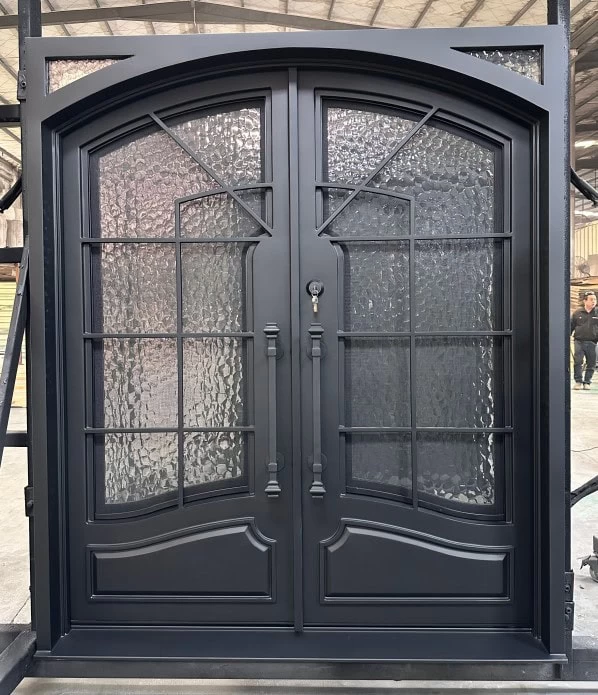
Iron doors are heavier than wood or fiberglass alternatives. That weight is part of what makes them secure, but it also creates challenges that multi-point locking systems solve.
First, there’s the issue of alignment. A heavy door can sag over time if it’s only supported by hinges and a single lock point. The top and bottom of the door may pull away from the frame slightly, creating gaps that compromise both security and energy efficiency. Multi-point systems counteract this by engaging the door at multiple heights, keeping everything aligned and sealed.
Second, there’s the security factor. When someone tries to force open a door with a single deadbolt, all the pressure concentrates at that one point. The door frame is typically wood, which can split or give way under enough force. With a multi point mortise lock, that pressure gets distributed across three or more points. Breaking through requires overcoming multiple reinforced strike plates simultaneously—a task that’s exponentially more difficult and enough to deter most break-in attempts.
Third, weather sealing matters in Essex County. You’re dealing with temperature swings, humidity, winter storms, and summer heat. A door that doesn’t seal properly costs you money in heating and cooling, plus you get drafts and moisture infiltration. The compression created by multi-point engagement keeps your weatherstripping doing its job year after year.
For taller doors—8 feet and above—multi-point systems aren’t just recommended, they’re practically required. Without them, you’ll fight warping and sealing problems that no amount of adjustment can fix. The door needs that top and bottom engagement to maintain its shape and performance over time.
The security industry has caught up with smart home technology, and multi-point systems are no exception. You can now get electronic multipoint locks that give you keyless entry, remote access, and integration with your home automation system.
These systems work by replacing the traditional key cylinder with electronic controls. You might unlock your door with a keypad code, a smartphone app, a key fob, or even a fingerprint scanner. The multi-point mechanism still engages all the locking points—you’re just controlling it electronically instead of with a physical key.
The advantage here isn’t just convenience, though that matters when you’re carrying groceries or coming home in the rain. It’s also about control and monitoring. You can lock or unlock your door remotely if you need to let someone in while you’re away. You can receive notifications when the door is locked or unlocked. You can create temporary access codes for contractors or guests that expire automatically.
For iron door installations, smart integration requires planning during the design phase. The door needs to accommodate the electronic components, wiring pathways, and power supply. Some systems run on batteries, others require hardwiring. We need to account for these requirements and ensure everything integrates cleanly without compromising the door’s appearance or the lock’s functionality.
Not all smart locks work with multi-point systems, especially in the United States where these locks are less common than in Europe. You need components specifically designed for multipoint lock smart lock applications. This is where working with professionals who understand both iron doors and advanced locking systems becomes critical. We can specify compatible components and ensure proper installation.
The investment in smart capability typically adds to your overall project cost, but it delivers functionality that traditional locks can’t match. You’re future-proofing your security system and adding features that increase your home’s value and your daily convenience.
Want live answers?
Connect with a Iron Door Kings expert for fast, friendly support.
Electronic multipoint locks represent the intersection of traditional security and modern technology. These systems maintain the physical security of multiple locking points while adding electronic access control that integrates with smart home platforms.
The core mechanism still uses deadbolts, hooks, or shoot bolts that engage with strike plates in your door frame. What changes is how you activate the system. Instead of turning a key, you might enter a code on a keypad, scan your fingerprint, tap your phone, or use a key fob. The electronic component sends a signal to a motor that engages or retracts all the locking points simultaneously.
For Essex County homeowners, this technology solves several practical problems. You don’t need to fumble for keys in the dark or in bad weather. You can grant access to family members, service providers, or guests without creating physical keys that can be lost or copied. You can lock your doors remotely if you forgot when you left. And you can integrate your door locks with your security system, cameras, and lighting for comprehensive home automation.
Installing a multi point mortise lock on an iron door isn’t a DIY project. The complexity and the consequences of getting it wrong make professional installation essential.
The installation process starts with precise measurements and preparation of the door itself. The mortise pocket needs to be cut to exact specifications to house the lock body. The door edge needs routing for the faceplate and locking points. If you’re adding electronic components, you need pathways for wiring and mounting points for keypads, readers, or other access devices.
For iron doors specifically, the weight and material present challenges that wood or fiberglass doors don’t. You’re working with metal, which requires different tools and techniques than wood. The door frame needs reinforcement to handle the forces created by multiple locking points on a heavy door. Strike plates need to be properly positioned and secured, often with longer screws into the structural framing, not just the trim.
Alignment is critical with any multi point mortise lock installation. If the door isn’t perfectly square in its frame, the locking points won’t engage properly. You might get the center deadbolt to work while the top or bottom points miss their strikes entirely. This defeats the purpose of the multi-point system and can damage the lock mechanism over time as you force it to operate out of alignment.
We also need to account for how the door hangs and moves. Iron doors are heavy enough that they can shift slightly on their hinges during operation. The locking system needs to accommodate this normal movement while still engaging securely every time. This requires experience with heavy door installations and understanding of how different hinge configurations affect door operation.
For electronic systems, the complexity increases. You need proper power supply, whether that’s batteries that are accessible for replacement or hardwired connections that are concealed and protected. The electronic components need to be positioned for easy use while being protected from weather exposure. And everything needs to be tested thoroughly to ensure reliable operation in New Jersey’s varying weather conditions.
Professional installers bring specialized knowledge about which systems work best for iron doors, how to prepare the door and frame correctly, and how to troubleshoot issues that arise during installation. We also ensure that your warranty remains valid—many manufacturers void warranties if installation isn’t performed by qualified professionals.
The cost of professional installation typically runs from several hundred to over a thousand dollars depending on the complexity of the system and any modifications needed to your door or frame. For electronic systems with smart home integration, costs can be higher. But this investment ensures that your multi-point system operates as designed and provides the security and performance you’re paying for.
The financial side of multi-point locking systems involves both upfront investment and long-term value. Understanding both helps you make an informed decision about whether these systems make sense for your Essex County home.
Upfront costs vary based on several factors. The lock mechanism itself can range from a few hundred dollars for a basic mechanical system to over a thousand for electronic versions with smart home integration. Installation adds to this, with professional installation for iron doors typically costing more than for lighter door materials due to the specialized work required.
If you’re installing the system as part of a new iron door installation, the costs integrate into your overall project. Many homeowners find that adding a multi-point system during initial installation makes more sense than retrofitting later, both in terms of cost and convenience. The door can be prepared for the system before installation, and everything gets set up correctly from the start. A complete iron door installation with multi-point locking typically ranges from $2,500 to $6,000 depending on door size, customization, and lock features.
For electronic systems, you need to factor in ongoing costs like battery replacement or potential service calls if components fail. However, quality systems from reputable manufacturers typically provide years of reliable service with minimal maintenance beyond occasional battery changes.
The return on investment comes in several forms. First, there’s the security benefit. With property crimes occurring every 41 minutes in Essex County, visible security measures like robust locking systems make your home a less attractive target. Your insurance company might even offer discounts for advanced security features, though you should verify this with your specific provider.
Second, there’s the performance benefit for your door. Multi-point systems keep heavy iron doors properly aligned and sealed, which extends the door’s lifespan and maintains its appearance and function. You avoid problems like sagging, gaps, or difficult operation that can develop with single-point locks on heavy doors. This means fewer service calls and adjustments over the door’s lifetime.
Third, there’s the property value consideration. Quality iron doors with advanced security features appeal to buyers and can increase your home’s value. In Essex County’s competitive real estate market, distinctive features that combine security, technology, and quality craftsmanship help your property stand out.
The energy efficiency benefit also contributes to ROI. A door that seals properly reduces heating and cooling costs. While the savings per month might seem modest—perhaps $10-20 depending on your home’s size and insulation—they accumulate over the years you own the home.
For most homeowners, the decision comes down to priorities. If security is a primary concern, if you’re investing in a quality iron door that you want to last decades, or if you value the convenience and control of smart home integration, multi-point systems justify their cost. The upfront investment buys you better protection, better performance, and features that standard locks simply can’t provide.
Multi point mortise locks offer Essex County homeowners security that matches the quality of their iron doors. These systems protect your home through multiple engagement points that resist forced entry, maintain proper door alignment, and create weather-tight seals that last for decades.
Whether you choose a traditional mechanical system or upgrade to electronic multipoint locks with smart home integration, the key is professional installation that accounts for the specific requirements of heavy iron doors. Proper preparation, precise alignment, and quality components ensure that your locking system performs as designed and provides the protection you’re investing in.
If you’re ready to explore multi-point locking options for your iron door project in Essex County, we combine expertise in custom iron door design and installation with knowledge of advanced security systems. Our team can help you select the right system for your needs and ensure it’s installed correctly for reliable, long-term performance.
Article details:
Share:
Continue learning: